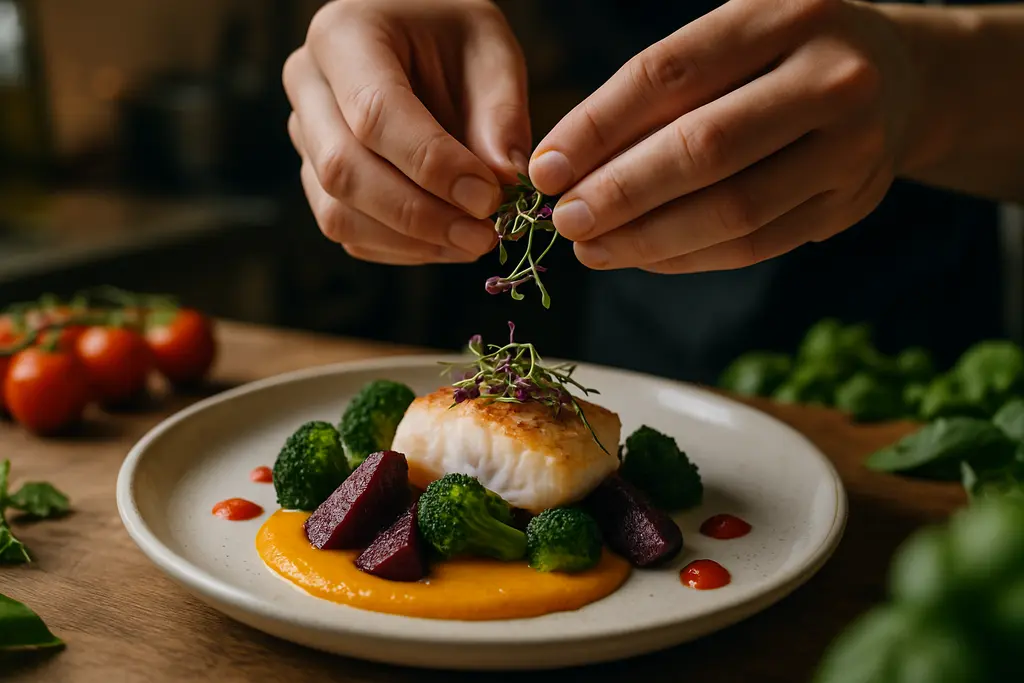
Personal Chef Services And Signature Dishes
For Hudson Valley hosts, Personal Chef Services can turn a dinner at home into a planned dining experience built around a chef’s style, the guest list, and the occasion. The key is knowing what the service actually includes before anyone starts talking about sauces, courses, coffee service, or a signature dish. A strong booking conversation should feel practical: what will be cooked, where it will be cooked, who buys ingredients, how the kitchen is left, and which dish will make the meal memorable.
That last point matters because signature dishes often carry the emotional weight of the night. A pasta course, a Japanese-inspired small plate, a vegetable-forward main, or a dessert with coffee can become the part guests talk about later. In a region where diners already care about farms, bakeries, roasters, cideries, and seasonal markets, a private meal benefits from clear expectations rather than vague promises.
How Personal Chef Services Are Growing
Market Numbers Diners Should Know
The global Personal Chef Services market was valued at about USD 18 billion in 2025 and is forecast to reach USD 32.57 billion by 2034, with a projected 6.81% CAGR, according to Fortune Business Insights. For diners, those numbers help explain why more chef-led options are showing up around special occasions, recurring home meals, and small private gatherings.
In the United States, revenue was about USD 4,752.2 million in 2025 and is forecast to reach USD 7,029.2 million by 2033, with a 5.12% CAGR from 2026 to 2033. The same U.S. outlook reported that international cuisines were the largest cuisine-type segment in 2025, while special diets were the fastest-growing segment, according to Grand View Research. That combination helps explain why a booking might include both global flavor references and detailed preference notes.
Cuisine Signals Behind The Booking
International cuisine demand does not mean every menu needs to feel flashy. It means diners are often open to dishes influenced by Italian, Japanese, Mediterranean, Indian, Latin American, or other culinary traditions, as long as the chef can explain the menu clearly. A Hudson Valley host may want a familiar local ingredient handled through a different technique, or a family-style dinner that borrows the structure of a tasting menu without feeling formal.
Special diets growing quickly also changes the role of a signature dish. A chef’s standout plate should not be treated as fixed if the guest list includes gluten-free, vegan, keto, or other requests. The practical question is whether the chef can keep the spirit of the dish while adjusting ingredients. If the answer sounds uncertain, ask for a sample menu that shows how those requests have been handled in the past.
Signature Dishes Set Expectations
Personal Chef Services And Signature Dishes
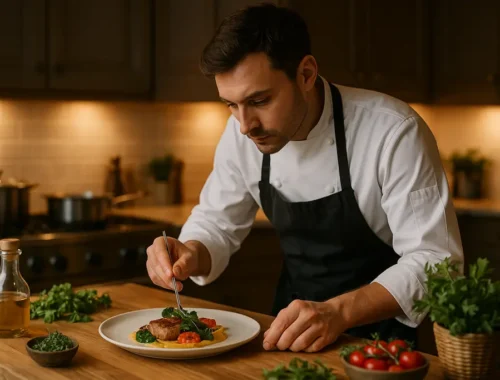
A signature dish is not always the most expensive plate on the menu. For Personal Chef Services, it is often the dish that explains the chef’s point of view. It might be a handmade pasta, a composed salad with a memorable dressing, a slow-cooked main course, or a dessert built to match coffee. The dish should fit the occasion, not compete with it.
Ask the chef why a dish represents their cooking. A clear answer can tell you a lot. Some chefs focus on sauce work, some on local vegetables, some on fermentation, some on grilling, and some on pastry. For a relaxed family milestone, a generous shared entrée may work better than a plated course that needs silent attention. For an anniversary dinner, smaller courses with a planned coffee pairing may feel more fitting.
Event Menus Versus Weekly Meals
Special-event cooking and weekly meal service have different goals. An event menu usually needs pacing, presentation, and one or two dishes that mark the night. Weekly meals lean toward repeatable comfort, clear storage instructions, and flavors the household wants to eat more than once. A chef can still have a signature style in weekly cooking, but the value comes from consistency rather than spectacle.
Hudson Valley diners should also be honest about kitchen limits. A small apartment kitchen, limited oven space, or a dining room without enough serving surfaces can affect the menu. That does not rule out a strong meal. It simply means the chef may suggest a menu with more prep done ahead, fewer last-minute cooking steps, or family-style service instead of individually plated courses.
Questions To Ask Before Booking

Menu Fit And Practical Details
Before booking, ask direct questions that connect flavor, service, and cost. For a deeper checklist, our related piece on Personal Chef Services questions can help hosts compare menus, fees, sourcing, and service scope before committing.
- What dish best represents your cooking style, and can it be adjusted for our guests?
- Who purchases ingredients, and how are substitutions handled if an item is unavailable?
- Is cleanup included, and what condition should the kitchen be in before arrival?
- Will the meal be plated, served family-style, or dropped off with heating notes?
- Can the chef provide a sample menu before the date is confirmed?
Those questions help separate a polished idea from a workable dinner. They also give the chef room to be honest. A responsible chef may steer you away from a dish that will not hold well, does not fit the kitchen, or clashes with the guest list. That kind of pushback can be useful, especially for hosts planning a milestone meal for the first time.
Coffee Pairings And Service Flow
Coffee is often treated as an afterthought, but it can finish a private meal with intention. If dessert is part of the menu, ask whether the chef plans around brewed coffee, espresso-style service, decaf, or a local roast you provide. A chocolate dessert, citrus cake, custard, or cheese course can each call for a different cup. The goal is not to make the meal more formal; the goal is to avoid ending a carefully planned dinner with a rushed pot that does not match the food.
Service flow matters here. If the chef is working alone, a dessert that needs last-minute plating plus coffee service may create a delay. If there is support staff, the timing may be easier. Ask how dessert and coffee will be handled before the menu is finalized. Related chef-service resources, including Personal Chef Mall, can also help diners think through service models before comparing individual cooks.
Personal Chef Services For Hudson Valley Tables
Treat Personal Chef Services as a conversation between appetite, occasion, and logistics. The most successful private meals are not built on buzzwords. They come from a chef who can explain a signature dish, adjust it for real guests, and serve it in a way that fits the room. For Hudson Valley diners, that means asking about seasonal ingredients without assuming availability, discussing coffee with the same care as dessert, and choosing a menu that respects both the cook and the table.
A signature dish should give the night a center of gravity. It does not need to be complicated. It needs to be clear, memorable, and suited to the people eating it. If the chef can describe that dish plainly and answer practical questions about timing, sourcing, service, and cleanup, the booking is already on stronger ground.