

personal chef services: Questions Before Booking
Booking personal chef services for a Hudson Valley dinner should feel practical before it feels fancy. The right conversation tells you how a chef cooks, what the menu may include, and how the evening will run in your home, rental kitchen, or small event space. A strong match is not just about one beautiful plate. It is about whether the chef’s style, service model, timing, and communication fit the meal you want to host.
For diners who care about signature dishes, the first call should sound a bit like a menu interview. Ask what the chef is known for, whether those dishes can be adjusted, how ingredients are selected, and what tasks are covered in the quoted fee. If you are still shaping the guest list or setting the tone for the night, our related planning piece on choosing a personal chef can help you organize the broader booking process before you request a proposal.
What personal chef services Include
Chef services are not all packaged the same way. Some chefs may focus on meal planning and cooking, while others may include shopping, serving, cleanup, or menu planning as part of the fee. Because the research supports asking what services are included, treat that question as one of your earliest filters. A clear answer helps prevent confusion about groceries, prep time, equipment, and post-dinner cleanup.
How personal chef services Fit Your Event
The scale of the meal matters. A quiet anniversary dinner for two has different needs than a family gathering with passed appetizers, multiple courses, and staggered arrival times. Ask the chef about experience with events similar to yours. The goal is not to quiz them harshly; it is to understand whether their usual working style matches your room, guest count, and pace.
Be direct about the setting. Tell the chef if the kitchen is small, if the dining area is separate from the prep space, or if the event is in a rental property where equipment may be limited. Kitchen logistics should be discussed before booking, including needed workspace, appliances, cookware, and any preparations expected before the chef arrives.
Service Scope And Kitchen Logistics
Before you agree to a date, ask what happens from the moment the chef arrives until the last dish is cleared. Does the fee include grocery shopping? Who supplies serving pieces? Will the chef bring support staff? Is cleanup limited to cooking tools, or does it include plates and glassware used by guests? These details affect both cost and comfort during the evening.
Hudson Valley hosts often plan dinners around homes, inns, and short-term rentals. Since facilities vary, ask whether the chef needs photos of the kitchen, an equipment list, or a short site conversation. If a chef cannot verify a menu without seeing the space, that may be a practical sign rather than a problem.
Questions To Ask About personal chef services
The most useful questions are specific. Instead of asking only whether the chef is “available,” ask how they build a menu, how much flexibility they allow, and what policies apply if the guest count changes. A chef’s answers should make the evening easier to picture.
- What are your signature dishes, and which ones fit this type of event?
- Can the menu account for allergies, vegan guests, gluten-free requests, or other preferences?
- Where do you source ingredients, and how do you decide what to buy?
- Do you offer a sample menu or tasting session before the event?
- What is included in the fee: planning, shopping, cooking, serving, and cleanup?
- Can you provide references from prior clients?
- What is your cancellation or rescheduling policy?
Ingredient Sourcing And Menu Changes
If local ingredients matter to you, say so early. The research recommends asking where a chef sources ingredients and how they handle menu customization; the same source also points hosts toward questions about fees, references, and cancellation terms through its private-chef planning advice from Plates Full. For a Hudson Valley meal, this question can help you understand whether the chef plans around a fixed menu or prefers to adjust dishes based on availability.
Dietary needs deserve equal clarity. Ask whether a signature dish can be changed without losing the character of the plate. A risotto, braise, composed salad, or seafood course may require different adjustments depending on the restriction. The chef should be able to explain what can change and what dish might work better instead.
Fees, Cleanup, And Cancellation Terms
Price conversations are easier when they are broken into parts. Ask whether the quoted amount includes ingredients, labor, travel, service staff, rentals, and cleanup. If the chef separates groceries from the service fee, ask how receipts are handled. If the menu changes after the quote, ask whether that changes the total.
Cancellation and rescheduling policies should be written down. Weather, illness, guest-count changes, and rental-house issues can affect plans. A practical policy protects both sides and gives the host a clear sense of any fee exposure before a deposit is paid.
Reading Menus Through Signature Dishes
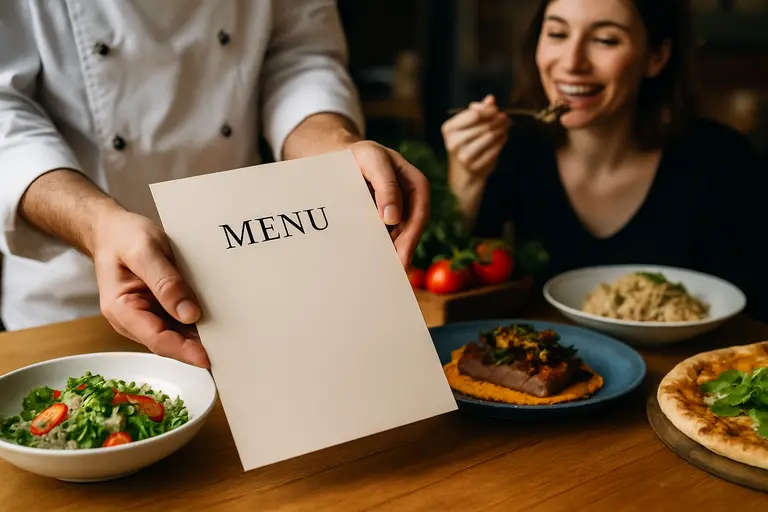
Signature dishes reveal how a chef thinks. They can show a preference for seafood, slow braises, vegetable-focused cooking, classic technique, or modern plating. Rather than asking for a long menu right away, start with the dishes the chef feels best represent their cooking.
Using Signature Dishes As A Style Test
A useful example comes from Chef Dominique Faury, whose official site lists dishes such as seared scallops over lemon-basil risotto and slow-cooked lamb shank with root vegetables among his offerings for personal chef and fine cuisine catering work at Chef Dominique. Those dishes communicate a style before any tasting begins: one is seafood paired with a bright risotto, while the other is a slow-cooked meat dish with root vegetables. That kind of detail helps a host decide whether a chef’s strengths match the event.
Ask the chef to explain why a dish is part of their regular repertoire. Is it popular with clients? Does it travel well from kitchen to table? Can it be served family-style, plated, or adjusted for a smaller dinner? The answers can reveal how the chef balances flavor, timing, and service.
Tasting Sessions And References
A tasting session is not always offered, but it is reasonable to ask. If a tasting is available, clarify whether there is a fee, how many dishes are included, and whether the tasting menu reflects the final event menu. If a tasting is not practical, ask for sample menus that show a similar style of dinner.
References can also be useful. Speaking with a prior client may tell you whether the chef arrived prepared, communicated clearly, respected the kitchen, and handled the service smoothly. Keep the questions factual and focused on reliability, professionalism, and fit.
Booking personal chef services In The Hudson Valley
The best booking process is steady, not rushed. Start with the date, location, guest count, budget range, and any firm dietary needs. Then move into signature dishes, menu customization, sourcing, service scope, kitchen logistics, and policies. By the time a proposal arrives, you should know what the chef will cook, what they will handle, and what you still need to arrange.
For community-minded diners, private dining can also be a way to think more carefully about what makes a meal feel local: the setting, the season, the guest list, and the chef’s point of view. If you enjoy comparing nearby dining communities, our related network site De Novo Montclair offers another perspective on restaurant and dining culture outside the Hudson Valley.
Personal chef services are most satisfying when expectations are clear before anyone starts chopping onions. Ask direct questions, request written details, and let signature dishes lead the conversation. A thoughtful chef will welcome the chance to explain their food, their process, and the kind of evening they are prepared to create.