Late-Night Dining Growth: What Diners Should Know
Late-Night Dining Growth is changing how diners think about the hours after the standard dinner rush. For Hudson Valley food lovers, the trend raises practical questions: Will the kitchen still serve a full menu? Is the room set up for a relaxed meal or a louder social crowd? Should you reserve, walk in, or choose a private dinner at home instead?
The most useful way to read the trend is not as a promise that every town will suddenly have more midnight meals. The research points to rising demand, especially at limited-service restaurants, while some late-night venues in other markets are under pressure. Diners can use that mixed picture to plan better: verify hours, ask about the late menu, and match the room’s mood to the night you want.
What Late-Night Dining Growth Means For Diners
Late meals are not just about eating later. They often involve a different pace, a tighter menu, and a room that may feel more social than a 6 p.m. dinner. A report on late-night dining at limited-service restaurants says the segment has grown more than 10% annually since 2021, with Gen Z described as a major driver of the shift toward social after-hours meals late-night dining report.
Late-Night Dining Growth And The Social Table
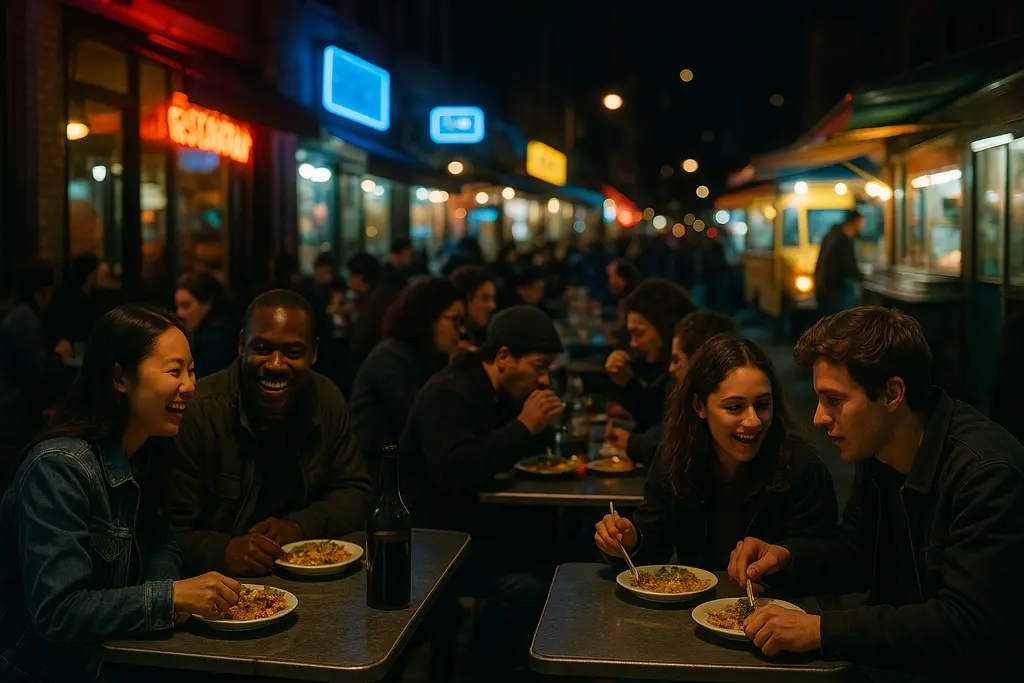
For Hudson Valley diners, Late-Night Dining Growth is most noticeable as a change in expectations. A late meal may follow a concert, a brewery stop, a film screening, a long work shift, or a drive home from the train. The food still matters, but the setting carries more weight. Diners may be looking for somewhere casual enough for an unplanned stop, yet comfortable enough to stretch the evening.
That is why ambience becomes part of the decision before booking. A dimmer room, louder music, bar seating, or counter service can feel right for one group and wrong for another. If you are planning a quiet catch-up, call ahead and ask whether the dining room changes after a certain hour. If you want energy, ask whether late service centers on the bar, a lounge area, or the same tables used for dinner.
Why Local Planning Still Matters
The Hudson Valley is not one single dining market. A late table in a river city may feel different from a late bite near a rural inn, a college town, or a weekend-heavy village. Without verified hours from a specific restaurant, it is better not to assume that late-night demand equals late-night availability. Weather, staffing, private events, and seasonal traffic can all affect whether a kitchen serves food after the usual dinner window.
As a diner, the practical move is simple: check the restaurant’s current hours on its own site or reservation page on the day you plan to go. If the listing says the bar is open later than the kitchen, ask what food is actually available. A room can remain open after the grill, oven, or full kitchen has shut down.
Atmosphere And Menu Expectations After 9 P.M.
Late service often works best when diners understand that the experience may not match prime dinner hours. A restaurant might keep a shorter food list, shift toward handhelds and snacks, or focus on dishes that the kitchen can prepare quickly. That does not make the meal lesser; it means the restaurant is serving a different kind of occasion.
Shorter Menus Can Be A Feature
A smaller menu can help diners make quick decisions after a long day. It can also help a kitchen keep service steady when fewer staff members are working. If you care about a specific dish, do not wait until arrival to ask. Menus can change by hour, and a late-night menu may leave off items served earlier in the evening.
Before booking, ask three direct questions: What time does the kitchen stop serving? Is the full dinner menu available at that hour? Are reservations accepted for late service, or is it walk-in only? Those answers will tell you more than a general closing time.
Ambience Matters More Late
Atmosphere can shift sharply after 9 p.m. Some restaurants keep the mood intimate with lower lighting and slower pacing. Others become more bar-centered, with louder groups and faster turnover. Neither approach is wrong. The key is matching the setting to the people at your table.
If you are booking for parents, a date, a solo meal, or friends who want conversation, ask about noise and seating. A host can usually tell you whether a late reservation will sit in the main dining room, near the bar, outdoors, or in a lounge-style area. Those details matter as much as the menu.
- Confirm the kitchen closing time, not just the bar closing time.
- Ask whether the late menu differs from the dinner menu.
- Check whether reservations are accepted for the hour you want.
- Ask about seating if noise level or lighting matters to your group.
- Have a backup plan if you are dining after an event lets out.
Booking Questions For Hudson Valley Night Owls
The strongest late-night plan starts before you leave home. This is especially true in the Hudson Valley, where dinner plans may involve driving between towns or coordinating with train schedules. A restaurant that is perfect at 7 p.m. may not be the right fit at 10 p.m. if only drinks are being served.
Ask About The Last Seating
Closing time can be a misleading detail. A restaurant may list an 11 p.m. close but take its final dinner seating much earlier. Other places may accept late walk-ins for a limited menu but not for a full seated dinner. Use clear language when calling: “What is the latest time we can order food?” is better than “How late are you open?”
If you are celebrating something, mention that too. A late reservation is not always the best fit for a leisurely multi-course meal. The staff may be able to suggest an earlier time, a quieter room, or a different night with more room in the schedule.
Think About Transportation And Timing
Late meals often happen around other plans. If you are coming from a show, a gallery event, a campus gathering, or a wedding after-party, build in extra time. Groups tend to arrive in waves after events, and a small kitchen can fill quickly. If the meal is the main event, choose the restaurant first and then plan the rest of the evening around that confirmed time.
For solo diners, late service can be appealing because bar seats or counters may feel less formal than a two-top. Still, it is worth checking whether the room is calm enough for the experience you want. A solo bowl of pasta, a burger, or a late dessert can feel restorative in the right setting and rushed in the wrong one.
Private Dinners And At-Home Alternatives

Not every late meal needs to happen in a restaurant. If your group wants a later start, a specific pace, or a quieter room, a private dinner at home can be a practical option. This is especially useful for birthdays, post-event gatherings, or visiting family who would rather stay in after a full day around the Valley.
What To Ask Before Hiring A Chef
Before hiring a personal chef, ask about timing, menu scope, service style, cleanup, and whether the chef can work within your kitchen setup. Be direct about the hour you want dinner served. A 9:30 p.m. plated dinner is different from a casual spread that guests can graze from after an event.
For diners comparing restaurant reservations with private meals, consider checking Personal Chef Mall to explore various chef services. As with any food booking, it’s best to confirm details directly with the provider before making plans.
Set The Mood Before Guests Arrive
At-home late dining still needs atmosphere. Think about lighting, seating, music level, and how guests will move through the room. If the meal follows a public event, keep the setup simple. A crowded table with too many courses may feel tiring late at night, while a focused menu and comfortable seating can keep the evening easy.
The biggest advantage is control. You decide whether the night feels quiet, celebratory, or casual. You also avoid the risk of arriving after a restaurant kitchen has closed, which is one of the most common frustrations for late diners.
Planning Around Late-Night Dining Growth
Late-Night Dining Growth gives diners more to think about, not less. Demand may be rising in some segments, yet access can vary. The Guardian reported that more than one in four late-night venues in the UK have closed since 2020, creating concern about areas with fewer after-hours options UK late-night venue report. That example is not a Hudson Valley count, but it is a reminder to treat late dining as something to confirm, not assume.
For local diners, the practical path is clear. Choose the mood first, then confirm the kitchen, then book the table. If the restaurant is bar-focused late, embrace that if it fits your night. If you want quiet service, ask for the earliest late seating or consider a private meal. The best late-night plans are not complicated; they are simply checked in advance.
As the after-hours dining audience grows, Hudson Valley diners can support the places that serve them well by showing up prepared. Respect posted hours, arrive on time for late reservations, and avoid assuming that a full dinner menu runs until the door closes. That small bit of planning helps everyone: the kitchen, the servers, and the people at your table.