solo dining: What To Expect Before Booking
The rise of solo dining is changing how diners think about reservations, restaurant comfort, and the pleasure of a meal taken at your own pace. The clearest data in the research comes from the UK, where solo bookings rose 14% year over year as of October 2024, with London up 10% and Manchester up 23%; The Guardian also reported that Gen Z and millennial diners have helped push the trend by treating a meal alone as self-care rather than a compromise Guardian restaurant report.
For Hudson Valley diners, the local takeaway is practical rather than flashy: a table for one can be a smart way to enjoy a restaurant without coordinating schedules, waiting for a group, or rushing through a menu. The region’s dining culture already rewards attention, whether you are tasting a carefully pulled espresso, choosing a seasonal plate, or listening to the room before ordering. Dining alone gives you room to notice those details.
Why Solo Dining Is Shaping Reservations
A reservation for one used to feel like a special request. Now, it is becoming a more familiar part of restaurant service. That does not mean every dining room handles it the same way. Some restaurants may offer a small table, some may suggest the bar, and some may have counter seating that turns the meal into a view of the kitchen, the espresso machine, or the bartender’s station.
Solo Dining And The Mood Of The Room
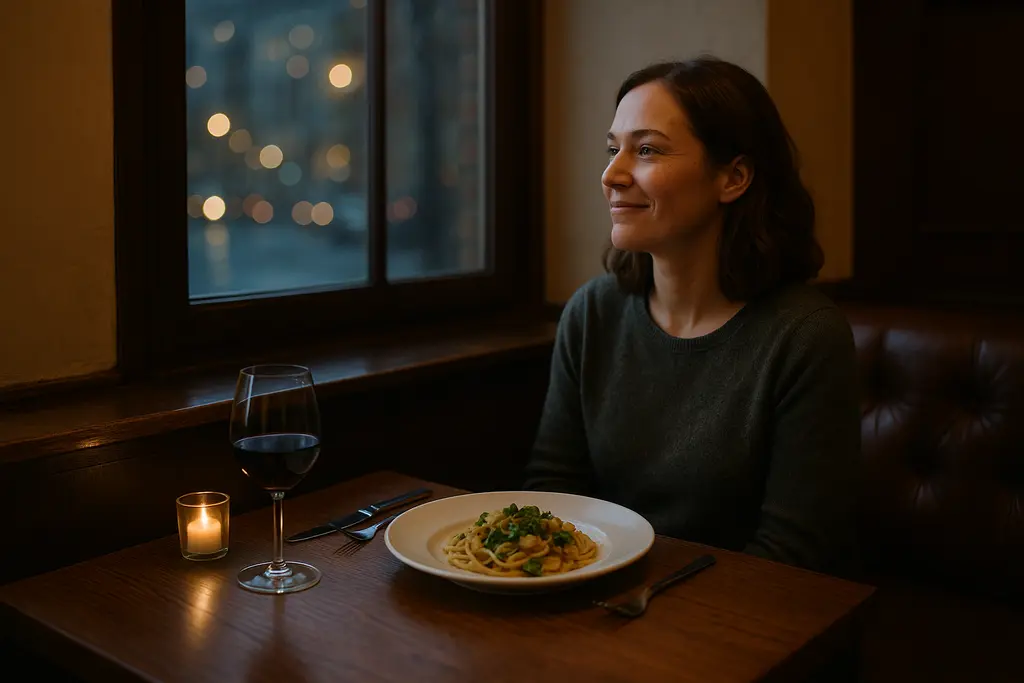
Solo dining changes how you experience atmosphere because there is no table conversation to fill the gaps. Lighting, music, table spacing, service rhythm, and the pacing of courses become more noticeable. A room that feels energetic with friends may feel loud alone. A quiet room that might seem too still for a group can feel calm and restorative when you have a book, a notebook, or simply an appetite.
As a coffee-focused diner, I pay close attention to the final stretch of a meal. A good table for one often comes down to whether the restaurant lets the guest linger respectfully over coffee or dessert without making the experience feel like a gap in the floor plan. That is not about demanding special treatment. It is about reading the pace of the room and choosing a time that fits the meal you want.
What The Trend Data Can And Cannot Tell Us
The available research points to broader acceptance, especially among younger diners. It does not prove that every restaurant, every city, or every small dining room is seeing the same pattern. It also does not give verified Hudson Valley reservation data. That distinction matters. Diners should use the trend as encouragement, not as proof that every local restaurant has redesigned its seating or service model.
The Washington Post has also reported on the rise of people doing activities alone and the need for businesses to pay attention to that shift Washington Post trend report. For restaurants, that attention can be as simple as treating a party of one as a complete reservation, not as a leftover seat to fill.
What To Expect At The Host Stand
Booking for one works best when you are clear about what you want. If you prefer a standard table, ask for one. If you enjoy the bar or counter, say that too. If you are planning a slower meal with wine, coffee, or dessert, a reservation can help the restaurant place you in a seat that suits the pace of service.
Counter Seats, Two-Tops, And Communal Tables
A party of one may be offered several kinds of seating. A two-top gives privacy and space for a full meal. A counter seat can feel social without requiring conversation. A communal table can be useful if you like the sense of being near other diners, though it is worth asking whether it is shared seating or simply a larger table used during busy service.
None of those options is automatically better. The right choice depends on your plan. If you want to taste multiple dishes and take notes, a small table may be more comfortable. If you want a quick bowl of pasta, a cocktail, or an espresso after work, the bar may suit the mood. If you enjoy watching service unfold, a counter can turn dinner into a front-row seat.
Timing Your Reservation
Peak dinner hours can be harder for any party size. If you are new to solo dining, consider booking earlier in the evening or choosing lunch. A quieter service gives you more space to settle in, ask questions, and read the menu without feeling watched by the room. Weeknights can also be a practical choice, though diners should always confirm current hours and reservation policies through the restaurant’s official channels before making plans.
If a reservation platform does not show availability for one, call the restaurant directly. Some booking systems are limited by table setup, not by hospitality. A quick call can clarify whether the bar is first come, whether counter seating is available, or whether the dining room can hold a small table at your preferred time.
How To Make A Table For One Feel Intentional
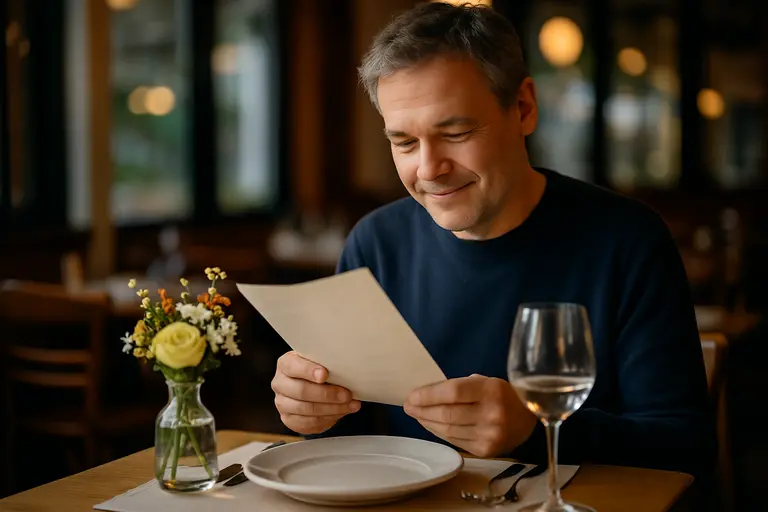
The best way to enjoy a meal alone is to arrive with a loose plan. You do not need to script the evening, but it helps to know whether you want a quick bite, a full dinner, a tasting-style meal from the regular menu, or coffee and dessert. That small bit of planning keeps the experience from feeling improvised in the wrong way.
Reading The Menu At Your Own Pace
A table for one is a good setting for careful ordering. You can ask the server which dishes are suited to a single diner, whether half portions are offered, or whether a starter and side would make a satisfying meal. Avoid assuming that every menu can be adjusted. Instead, ask politely and let the kitchen’s format guide the decision.
- Ask whether bar, counter, or table seating is available before booking.
- Confirm whether the full menu is served at the bar if that is where you plan to sit.
- Choose off-peak times if you want a slower meal.
- Bring a book or notebook if it helps you settle in, but stay aware of the restaurant’s pace.
- Tip with the same care you would at any meal, especially if you occupy a full table during a busy service.
Coffee, Dessert, And The Unhurried Finish
For many diners, the end of the meal is where eating alone becomes most enjoyable. Coffee gives you a natural pause. Dessert can turn a simple dinner into a small occasion. If the restaurant has a thoughtful coffee program, ask what they recommend after the meal rather than treating coffee as an afterthought.
This is where solo dining can feel especially suited to the Hudson Valley’s slower pleasures: a quiet corner, a seasonal dessert, a well-made espresso, and a few minutes to notice the room. The point is not isolation. The point is attention.
Booking A Table For One In The Hudson Valley
Hudson Valley dining covers many formats, from casual cafes to reservation-focused dining rooms, so the smartest approach is to match the booking to the experience you want. If the restaurant is small, call ahead. If the menu changes often, check the official site or reservation page before leaving home. If you are planning around a train, a show, or a weekend market, build in time so the meal does not feel squeezed.
Questions Worth Asking Before You Go
If solo dining is your plan, ask direct questions in a friendly way: Do you seat parties of one at tables? Is the bar full-service? Is counter seating reservable? Is there a time that works better for a slower meal? These questions help both diner and restaurant set expectations before anyone reaches the host stand.
A table for one should feel like a complete dining experience, not a backup plan. With a little preparation, diners can choose rooms that match their mood, order with confidence, and enjoy the Hudson Valley’s food culture on their own schedule.