
Last-Minute Bookings Shape Hudson Valley Brunch
Finding a great brunch table used to mean planning days ahead, especially for a sunny Saturday along the Hudson. Now, last-minute bookings are becoming part of how many diners decide where to eat. The shift is not just a hunch from busy sidewalks or full parking lots. National reservation data from 2025 and 2026 shows more people using alerts, waitlists, and flexible timing to turn a loose weekend plan into a real meal.
For Hudson Valley diners, that change matters because brunch often sits between errands, farmers market stops, hikes, family visits, and train schedules. A spontaneous table can feel freeing, but it also rewards diners who understand how restaurants manage seats. The smartest brunch plan may not be a rigid itinerary. It may be a short list of places, a realistic wait-time limit, and a willingness to eat a little earlier or later than the peak crowd.
Why Last-Minute Bookings Are Rising
OpenTable’s 2026 U.S. Dining Trends Report points to a clear rise in spontaneous dining behavior. The platform reported an 84% year-over-year increase during 2025 in use of its “Notify Me” feature, which alerts diners about table availability, and found that 49% of Americans said they wanted more spontaneity in dining experiences in 2026, according to OpenTable dining trends. Those figures do not describe Hudson Valley brunch specifically, but they do help explain why diners may feel more comfortable trying for a table closer to mealtime.
Why Diners Want More Flexibility
Part of the appeal is emotional: brunch is often social, casual, and shaped by the weather. If the morning turns clear, a diner may suddenly want patio coffee, eggs, pancakes, or a long table with friends. If plans shift, a reservation alert can rescue the day without requiring a week of advance planning. That helps explain why last-minute bookings feel especially natural for casual daytime meals.
The same OpenTable report also said people in the U.S. were willing to wait about 39 minutes on average for a walk-in table in 2026. In New York City, the reported average “worst acceptable” walk-in wait was 57 minutes. Hudson Valley towns are not New York City, and local wait times vary by restaurant, day, weather, staffing, and dining room size. Still, the national data suggests diners are building more waiting time into their expectations.
How Last-Minute Bookings Change Restaurant Rhythm
For restaurants, spontaneous demand can be useful and tricky at the same time. A table that opens after a cancellation can be filled quickly through an alert. A slow shoulder period can become busier if diners are flexible about timing. Yet brunch service still depends on kitchen pacing, server sections, table turnover, and the size of parties arriving at once.
That is why diners should treat last-minute bookings as a tool, not a guarantee. A reservation alert means an opportunity appeared; it does not always mean every preferred party size, seating area, or time slot is available. If you want a specific room, a high chair, a quiet corner, or a larger table, booking earlier remains the safer approach.
What This Means For Brunch Plans
Hudson Valley brunch has its own personality. Some diners are pairing a meal with a market run, gallery visit, campus weekend, or riverfront walk. Others are meeting relatives halfway between towns. Spontaneity works best when the meal is flexible, the group is small, and no one is depending on one exact time.
Smaller Groups Have More Options
A party of two can often adapt faster than a party of seven. That does not mean a two-top will always find a seat, but smaller groups usually have more possible table shapes and bar or counter options where offered. Solo diners may also benefit from flexible dining habits. Research from Toast cited in The Regulars Report 2026 found that regular guests remain much more reservation-oriented: 83% of visits by “regulars” were reserved in advance, compared with 48% among less frequent diners, according to The Regulars Report 2026. That detail is a helpful reminder that spontaneity is growing, but advance planning is still common among loyal customers.
For brunch lovers, this creates a practical split. If you are trying a place casually, waiting or booking late may be fine. If you return to the same dining room for birthdays, family weekends, or a favorite table, early reservations still protect the experience.
Off-Peak Brunch Can Be Your Friend
Many brunch crowds cluster around late morning and early afternoon. Without claiming a single Hudson Valley-wide rule, it is fair to say diners often face the most pressure when many people want the same relaxed midday window. If a restaurant offers earlier breakfast-style service or later brunch seating, those times may give diners more room to work with.
A practical move is to pick two acceptable time windows before leaving home. For example, decide whether your group is open to coffee and a pastry first, then a later seated meal. Or plan for a post-market lunch instead of insisting on the most popular brunch hour. Diners comparing cost, portions, and menu value can also use this local piece on value brunch trends to think through what feels worth booking ahead.
Practical Questions Before You Book
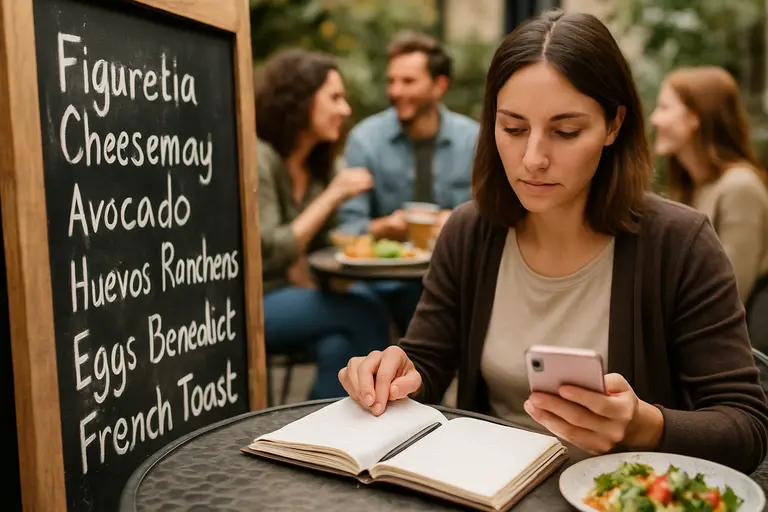
A spontaneous brunch works better when diners ask specific questions before committing. Reservation platforms, restaurant websites, and direct phone calls can all help, but each restaurant handles availability differently. If information is not posted, avoid assuming that a walk-in list, patio seating, or bar seating is available.
- Is the full brunch menu served at the time you want? Some restaurants separate breakfast, brunch, lunch, or afternoon menus.
- Does the restaurant use reservation alerts, a waitlist, or phone-only seating? The process can change how quickly you need to respond.
- How long is your group willing to wait? Set a limit before arriving, especially with children, older relatives, or train schedules.
- Can your group split up or sit at a counter? Flexibility may increase options, but it is not right for every meal.
- Are you comfortable with an off-peak time? Earlier or later dining can make a spontaneous plan feel calmer.
It also helps to keep expectations kind. Restaurants are balancing reservations, walk-ins, staffing, and guests already seated. A host may not be able to predict exactly when a table will turn, especially during brunch, when coffee refills and long conversations are part of the pleasure.
How To Build A Shortlist
Instead of choosing one place and hoping everything works, build a three-restaurant shortlist in the same general area. Check each official page or reservation profile for hours, reservation style, and menu timing before you head out. If you are also curious about dining ideas outside the Hudson Valley, the same network includes De Novo Montclair, which provides insight into similar dining trends and casual meal offerings in nearby communities.
The shortlist method keeps the day relaxed. If the first option is full, the second option is not a disappointment; it is part of the plan. That mindset fits the rise of last-minute bookings because it turns uncertainty into choice rather than frustration.
Last-Minute Bookings For Hudson Valley Brunch
The growth of last-minute bookings does not mean advance reservations are outdated. It means diners now have more ways to shape a meal around real life. A rainy morning, a surprise visit, a later-than-planned start, or a sudden craving for a cozy cafe can still lead to a satisfying table if the group stays flexible.
For Hudson Valley brunch, the best practical approach is balanced: reserve early for special occasions, larger parties, and favorite dining rooms; use alerts and waitlists for casual plans; keep a backup nearby; and be honest about how long your group can wait. Spontaneous dining feels most rewarding when it respects both the diner’s mood and the restaurant’s rhythm.