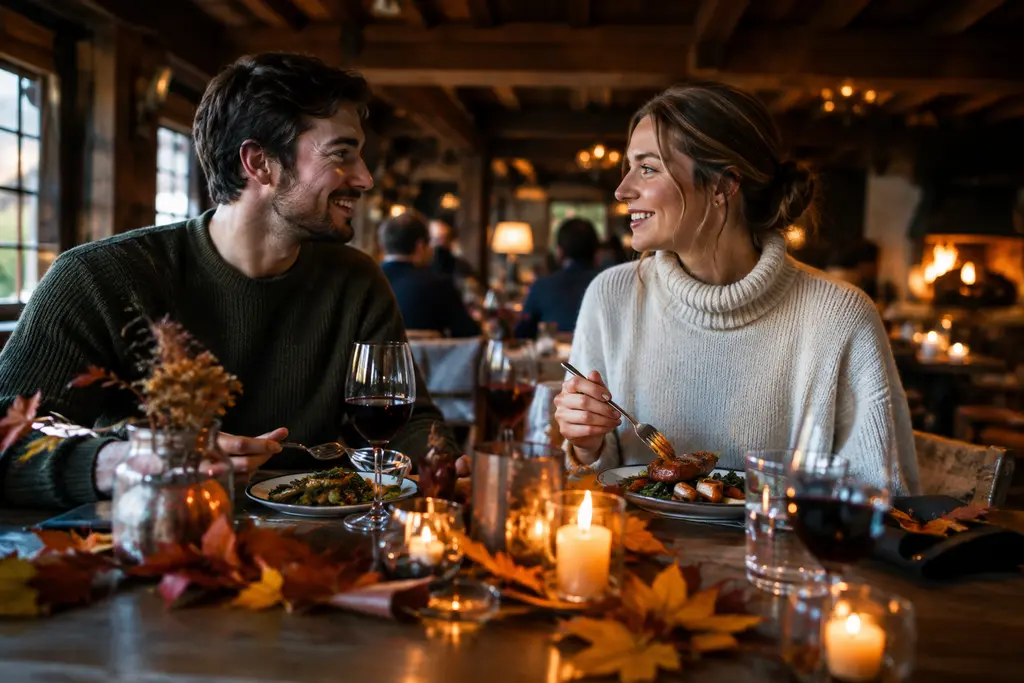
experience-driven dining This Fall in Hudson Valley
Fall in the Hudson Valley has a way of making dinner plans feel more intentional. A table near a window, a calm bar seat before a show, or a tasting-style reservation can shape the whole evening. That is why experience-driven dining matters for diners planning meals after October 30, 2026: the food is still central, but the room, pacing, seating, and sense of occasion carry more weight before anyone books.
The clearest recent data points come from national dining research, not a Hudson Valley-only study, so local diners should treat the findings as a helpful booking lens rather than a neighborhood-by-neighborhood forecast. Still, the signals fit what many fall diners ask before choosing a restaurant: Will the room feel warm? Is the seating comfortable? Does the reservation include something beyond a standard table? Is the price tied to a meal that feels memorable?
Why experience-driven dining Is Shaping Fall Plans
Experience-Driven Dining Signals To Check Before Booking
OpenTable reported that reservations for experiential formats such as tasting menus, chef’s tables, and pop-ups rose 46% year over year in the first half of 2026, while restaurants offered 36% more Experiences than the prior year, according to OpenTable dining trends. That does not mean every Hudson Valley restaurant has added a special-format reservation. It does suggest that diners are more open to meals structured around a point of view, a limited menu, or a more social seating setup.
For practical planning, read reservation descriptions closely. If a booking says “experience,” “chef’s counter,” “tasting,” or “pop-up,” look for the details that affect the night: start time, length of meal, seating type, menu flexibility, deposit policy, and whether the reservation is indoors or outdoors. If those details are not clear, call or message the restaurant before booking. A special-format meal can be lovely, but only if the format matches your group’s comfort level and schedule.
Why Ambience Can Change The Value Question
Price feels different when the room supports the occasion. OpenTable also found that 54% of Americans said they would pay more for a restaurant with a unique vibe. In Hudson Valley terms, that may mean a quieter dining room for an anniversary, counter seats where you can watch the kitchen, or a warm early evening table that makes a casual dinner feel considered.
This is where diners can be both curious and practical. Before paying more, ask what the added value is. Is the reservation tied to a set menu? Is there live cooking visibility? Does the restaurant offer a special seasonal room, bar program, or limited seating arrangement? If the only difference is a higher price without a clear experience attached, it may be worth comparing another date, time, or dining format.
Atmosphere Cues Diners Can Read Before Booking
Seating Style Shapes The Mood
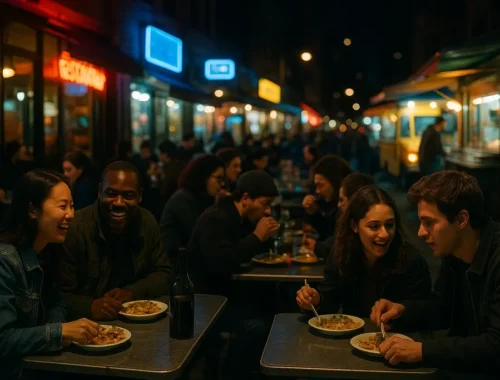
Seating is one of the simplest clues about how a meal will feel. OpenTable’s 2026 reporting noted year-over-year increases in counter seating and bar seating in 2025, with counter seating up 26% and bar seating up 23%. Those formats can make a meal feel more social and direct, especially for solo diners, couples, and friends who enjoy being closer to the action.
Counter seating is not right for every occasion. It may be less comfortable for long family meals or groups who want easier conversation across the table. Bar seating can be a smart pick for earlier dinners, a casual date, or a pre-event bite, but it may not suit diners who want back support, space for coats, or a slower pace. If ambience is the reason you are booking, the exact seat matters as much as the menu category.
Special Occasions Need More Than A Pretty Room
For birthdays, anniversaries, milestone dinners, and family visits, atmosphere often decides whether a restaurant fits the plan. Technomic reported that 82% of consumers said atmosphere and ambience were key factors when choosing a restaurant for special occasions in its Q2 2025 through Q1 2026 findings, shared in Technomic industry insights.
That number tracks with a common Hudson Valley booking habit: diners often want a meal that feels relaxed, local, and cared for, without needing a formal dress code. The smartest questions are specific. Ask whether the dining room is quiet enough for conversation, whether larger parties sit in a separate area, and whether the restaurant can note the occasion on the reservation. Avoid assuming that “special occasion” always means fine dining. Sometimes it means attentive service, good lighting, comfortable spacing, and a menu that gives everyone an easy choice.
Seasonal Experiences Without The Guesswork
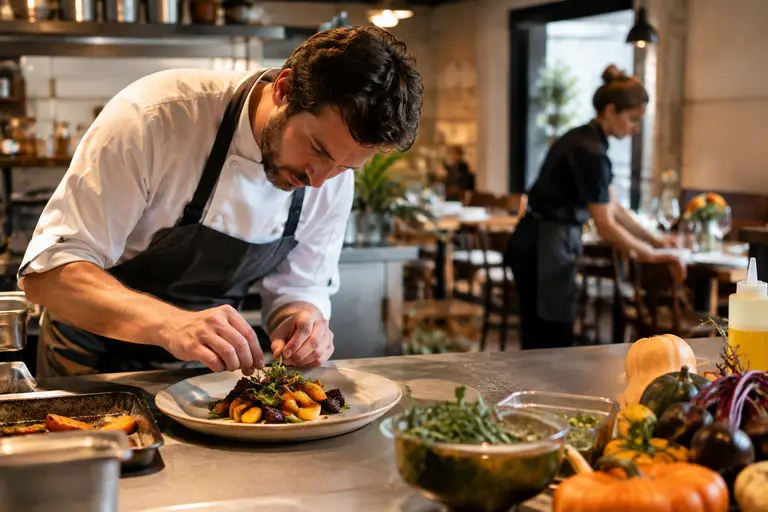
How To Read Fall Dining Descriptions
Fall menus and events can sound similar at first glance: harvest dinner, chef’s menu, wine dinner, fireside seating, tasting night, pop-up collaboration. The words are appealing, but diners should look for the structure behind them. A good reservation page should explain what is included, how long the meal is expected to last, whether beverages are separate, and whether substitutions are available.
If a restaurant promotes a fall-themed dinner but does not list the menu or format, that is not automatically a red flag. Menus can change with sourcing and staffing. Still, you can ask direct questions before committing. What is the seating arrangement? Is the menu fixed? Is the event family-friendly? Is payment taken in advance? Will the experience be shared seating or private tables? Clear answers help prevent the common mismatch between a diner’s expectation and the room’s actual pace.
- For a quiet meal, ask about the calmest reservation times and whether bar seating is separate from the main dining room.
- For a date night, ask whether counter seats offer a view of the kitchen or simply place you at a service bar.
- For a group, ask about table shape, seating time limits, and whether the menu is à la carte or fixed.
- For a special occasion, mention the reason for the visit when booking, but confirm what the restaurant can actually provide.
What Hudson Valley Diners Can Compare
Local diners are fortunate to have many kinds of rooms to choose from: small cafes, river-town dining rooms, farm-adjacent restaurants, tasting rooms, and casual bars with food programs. The choice does not need to be framed as fancy versus casual. A better question is whether the experience fits the mood of the meal.
If you are comparing dining moods beyond the region, our related network site De Novo Montclair is a useful reminder that atmosphere questions travel well from town to town: seating, pacing, lighting, and service tone all shape how a meal lands. For a Hudson Valley-specific angle on age, value, and booking behavior, our piece on experience-focused diners pairs well with this fall planning checklist.
experience-driven dining This Fall
The best way to approach experience-driven dining in the Hudson Valley is to stay curious without letting the marketing do all the work. If a restaurant offers a tasting menu, counter seat, special event, or seasonal room, ask what the reservation includes and how the evening will flow. If the answer sounds aligned with your plans, the meal has a better chance of feeling worth the time and price.
For fall 2026 dining plans after October 30, the most useful signals are clear descriptions, comfortable seating, a room that fits the occasion, and staff who can answer practical questions before you arrive. A memorable dinner does not need to be dramatic. It needs to feel intentional, from the first booking detail to the last sip of coffee.