Experience-Driven Dining for 29-44 Diners
Experience-Driven Dining is changing how diners aged 29 to 44 decide where a meal is worth the time, money, and planning. For Hudson Valley diners, that does not mean every reservation needs a tasting menu or a dramatic dining room. It means the setting, welcome, pacing, drink presentation, lighting, and sense of place all work with the food rather than sitting in the background.
This age group is not always reported as one neat category in dining research. Some studies use millennials, some use Gen X, and some survey all adult diners. That matters because a 29-year-old planning a group dinner may be weighing different details than a 44-year-old booking a relaxed weeknight meal. Still, the strongest research points in the same direction: diners are using restaurants for cultural discovery, social connection, comfort, and value, not just a plate of food.
Why Experience-Driven Dining Matters
The dine-in meal has regained meaning because it offers something delivery cannot copy well: a room, a welcome, a sense of occasion, and a shared table. A February 2025 Eater/Vox Media survey found that 67% of millennials typically discover new restaurants through social media, while 79% of Gen X respondents placed comfort and relaxation among their top three reasons for dining out Eater dining survey. Those two findings are useful together. One group may first notice a restaurant visually, while another may judge it by how easy and calming the meal feels once seated.
The Social Feel Counts
Restaurants are still public places, and diners aged 29 to 44 often use them for birthdays, work catch-ups, date nights, family visits, and friend-group plans. In that setting, ambience is not decoration. It shapes whether conversation feels natural, whether the table has enough space, and whether a group feels rushed. A room can be stylish and still be hard to enjoy if the noise level overwhelms the table or the seating makes guests feel packed in.
The service side also matters. The Regulars Report 2026 from Resy and Toast found that nearly half of diners said being remembered by restaurant staff was what made them feel most valued, while only about 30% said they consistently receive that treatment Resy and Toast report. For the Hudson Valley, where many diners return to neighborhood spots across seasons, that personal detail can be part of the atmosphere as much as lighting or music.
Discovery Starts Before The Reservation
Social media discovery does not mean diners are choosing a place only because a room photographs well. It means the first impression often arrives before the menu is read closely. A short video of a bar seat, a photo of a shared dish, or a post about a seasonal dinner can help a diner picture the night. The practical question is whether the actual experience matches that first signal.
Before booking, diners can check whether the restaurant shows recent photos, posts current menus, and explains reservation policies clearly. If a dining room promotes a special event, tasting format, or prix fixe meal, guests should look for details on timing, deposits, cancellation rules, and whether the full table must participate. These checks protect the mood of the evening before anyone sits down.
What 29-44 Diners Read In A Room
Diners in this age range often read a restaurant quickly. They notice whether the host stand feels organized, whether menus are clean and easy to read, whether lighting flatters the food, and whether the bar looks like part of the meal rather than a waiting area. None of those details require luxury pricing. A casual cafe, wine bar, or farm-focused dining room can create a memorable meal if the room supports the food and the staff communicates clearly.
Experience-Driven Dining Signals To Notice
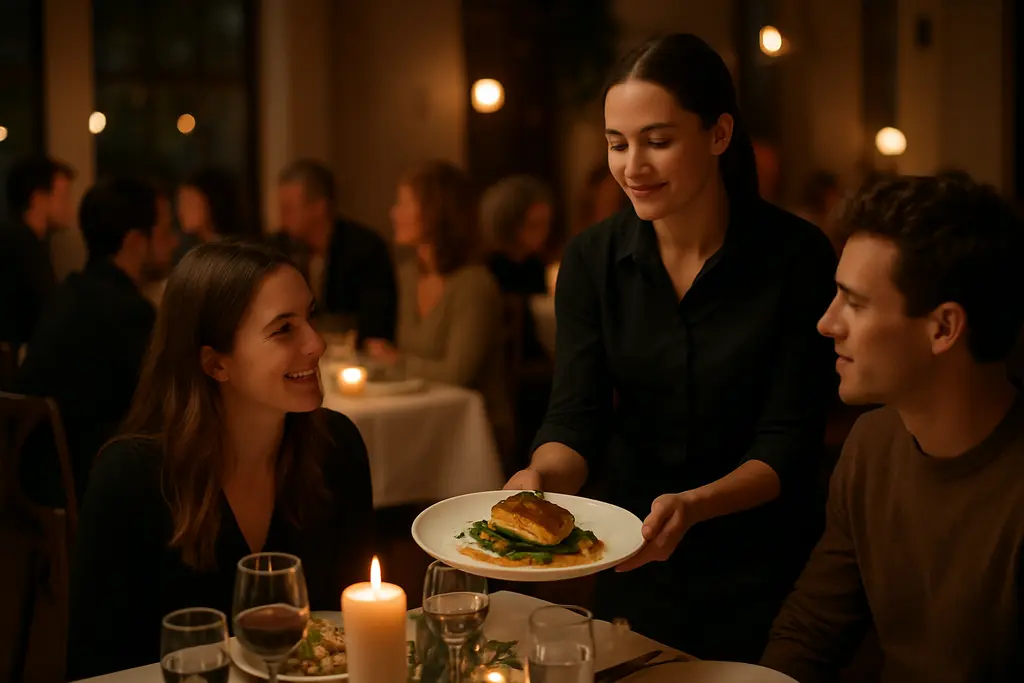
Experience-Driven Dining rewards restaurants that connect sensory details with hospitality. A signature dish lands differently if the server can explain what makes it central to the kitchen. A beverage pairing feels more memorable when glassware, garnish, aroma, and pacing support the flavor. A small dining room can feel intimate rather than cramped if reservations are paced with care.
For diners, the useful approach is to define the night before choosing the room. A loud room with shared plates may be perfect for four friends who want energy and variety. That same room may be frustrating for a quiet anniversary dinner. A slower prix fixe format may suit diners who want a planned evening, while a bar menu may work better before a show or after a day trip.
- Check recent menu language for fixed formats, shared plates, or limited seating.
- Ask whether the bar, patio, or dining room offers the same menu.
- Read reservation notes for deposits, table time, and cancellation windows.
- Look for signs that the restaurant explains dietary requests before arrival.
- Match the room to the occasion, not just the cuisine.
Value Is Part Of The Mood
Price sensitivity does not cancel the desire for atmosphere. It makes the promise of the experience more important. A diner may accept a higher check if the meal feels paced, personal, and distinct from eating at home. The same diner may feel disappointed by a modest check if the service is confusing, the room feels neglected, or the signature dish does not match the expectation created online.
This is why practical research matters before booking. Look for menus with clear descriptions, recent operating information, and a tone that fits the occasion. For more room-focused questions, our local note on dining atmosphere can help diners think through sound, lighting, and seating before choosing a table.
How Hudson Valley Diners Can Use These Trends

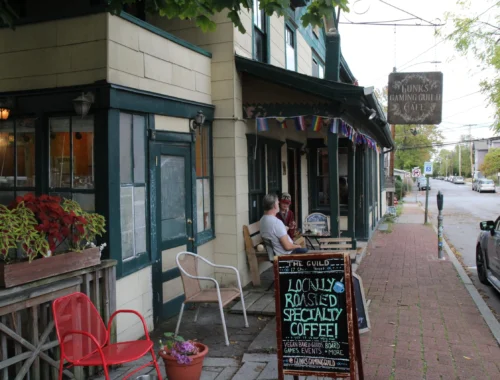
The Hudson Valley dining culture gives guests many ways to connect food with setting: riverside towns, village main streets, farm-adjacent dining, seasonal patios, cozy taverns, and chef-led rooms. The key is not chasing the most dramatic setting. It is asking which place fits the meal you want to remember.
Pairing Atmosphere With Signature Dishes
A signature dish often carries the identity of a restaurant. It might show a kitchen’s point of view, its local sourcing priorities, or its skill with a familiar comfort food. The atmosphere should help that dish make sense. A wood-fired entree, a composed dessert, or a thoughtful zero-proof drink each benefits from a room that lets diners slow down and pay attention.
For the 29-44 diner, Experience-Driven Dining is often less about formality than intention. A counter seat can be memorable if the cook or bartender offers context. A patio meal can feel special if pacing is calm and the menu fits the weather. A small dining room can build loyalty if guests feel seen on a return visit.
There is also a home-hosting angle. Diners who enjoy restaurant-style atmosphere may want a planned private meal for a birthday, reunion, or quiet celebration. For that side of the same food culture, this related personal chef resource can help readers think about chef-led meals outside a standard restaurant setting.
Experience-Driven Dining In The Hudson Valley
Experience-Driven Dining should make booking smarter, not more stressful. Start with the occasion, then match the food, room, service style, and price point to that need. If the goal is conversation, choose a room known for comfort and space. If the goal is discovery, look for menus and beverage lists that explain their point of view. If the goal is a relaxed repeat visit, pay attention to whether the staff remembers preferences and whether the restaurant keeps its information clear.
The most useful trend for Hudson Valley diners is simple: atmosphere now carries real weight in the value of a meal. Diners aged 29 to 44 are not just buying dinner. They are choosing where to spend attention, time, and community. Restaurants that make those choices easier earn more than a single reservation; they create the kind of memory that brings people back.