dining atmosphere Trends for Hudson Valley Meals
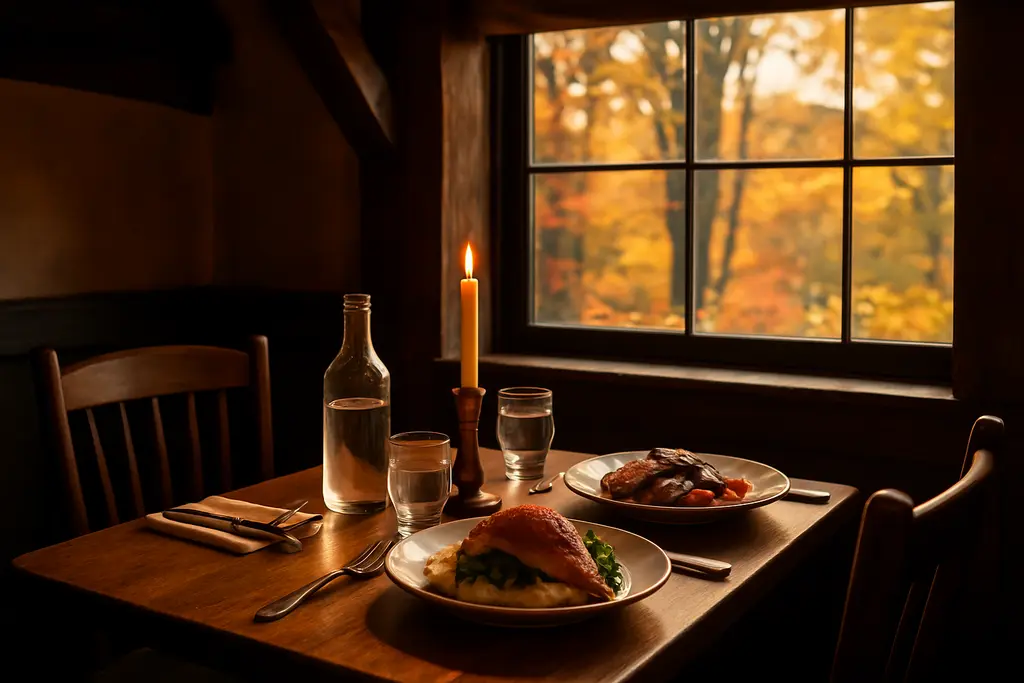
Finding the right dining atmosphere can shape a Hudson Valley meal before the first plate reaches the table. A candlelit anniversary dinner, a bright brunch with friends, and a relaxed family meal all ask different things from a room. The food still has to carry the evening, but lighting, sound, scent, seating, and service rhythm can help diners feel settled enough to enjoy what is being served.
The available research is national and international rather than Hudson Valley-specific, so it should be read as useful context rather than a claim about every local restaurant. Still, it gives diners practical cues to use before booking. For restaurant owners, it also points toward simple choices that guests notice: readable menus, comfortable light, music that supports conversation, and a room that matches the promise of the menu.
Why Dining Atmosphere Shapes The Meal
Atmosphere starts with expectation. A diner usually forms an opinion from photos, reservation notes, online descriptions, and word of mouth before walking in. In the Hudson Valley, where a meal might follow a farm visit, a gallery stop, a trail walk, or a weekend drive, the setting often becomes part of the plan. Diners are not just choosing what to eat; they are choosing how they want the meal to feel.
Dining Atmosphere Cues Diners Can Check
Before making a reservation, look for clues that show how the room is designed to work. Photos can reveal whether tables are close together, whether lighting is bright or low, and whether the space feels suited to conversation. Reservation descriptions may note tasting menus, bar seating, outdoor dining, counter service, or private dining. Those details help match the meal to the occasion.
A good dining atmosphere does not always mean quiet or formal. A lively pizza night, a chef’s counter, and a calm dinner room all serve different needs. The key question is fit. If the goal is a long conversation, check for signs of softer sound and comfortable seating. If the goal is energy, a louder room or open kitchen may be welcome. If the goal is a family meal, spacing and pacing may matter more than drama.
Why Repeat Visits Often Start With Feeling
On April 17, 2025, SevenRooms reported that 35% of consumers said design and ambiance directly affected their connection to a restaurant, including the in-service experience and likelihood of returning. The same report said 74% of diners had returned to a restaurant after a unique experience, according to the SevenRooms trends report. Those numbers do not replace menu quality, but they show why the room itself deserves attention.
For Hudson Valley diners, that means it is fair to ask practical questions before committing to a special meal. Is the seating indoors, outdoors, or both? Is the room built for a date night, a group dinner, or quick service? Does the restaurant describe a fixed menu, a casual format, or a more polished service style? These questions help avoid mismatches between mood and expectation.
What Recent Research Tells Diners
Recent research gives useful language for what many diners already feel. Lighting, music, scent, and temperature affect comfort, but they do not always carry equal weight. The strongest factor can shift by market, restaurant type, and guest expectation. That is why a Hudson Valley diner should treat research as a way to ask better questions, not as a script for every meal.
Lighting Leads In One 2025 Study
A study published on August 31, 2025, in the ASEAN Journal on Hospitality and Tourism examined ambient factors in Indian urban restaurants. Among lighting, music, temperature, and scent, lighting had the strongest influence on customer satisfaction, with a standardized β of 0.467 and p < 0.001. Scent followed at β = 0.392, music at β = 0.161, while temperature was not a significant predictor in that setting, according to the hospitality study.
The study took place outside the Hudson Valley, so its numbers should not be applied as local data. Even so, it reinforces a practical point: diners notice whether they can see the menu, see the food, and relax at the table. Warm lighting can make a meal feel more intimate, while harsh lighting can make even thoughtful food feel rushed. Very dim rooms can be beautiful, but they can also make ordering harder for some guests.
Sound, Scent, And Comfort Still Matter
Sound is one of the fastest ways a room announces itself. Music can give a dining room lift, but volume and style need to match the meal. A high-energy room may suit drinks and shared plates, while a quieter space may better serve tasting menus, family celebrations, or business dinners. Diners who are sensitive to noise should call ahead or reserve earlier slots when rooms may be calmer, if the restaurant confirms that pattern.
Scent can also shape memory, though it should support the food rather than fight it. The smell of bread, smoke, coffee, herbs, or an open kitchen can build appetite. Strong unrelated fragrance can distract from what is on the plate. Temperature is harder to judge from a website, but diners can still check whether a meal is outdoors, partially covered, or in a room with open doors during warmer months.
Booking Questions For Hudson Valley Tables

Hudson Valley dining often pairs food with place: river towns, village main streets, farm roads, renovated buildings, patios, and weekend markets. Because the region includes both destination meals and everyday neighborhood stops, the right booking choice depends on the kind of evening you want. Atmosphere should not be treated as decoration. It is part of service.
Before You Reserve
Use the booking stage to reduce uncertainty. Restaurants may not be able to meet every preference, especially during peak hours, but clear questions help both sides. If a menu or seating detail cannot be verified on an official page or reservation platform, avoid assuming it will be available.
- Ask whether the table is indoors, outdoors, at the bar, at a counter, or in a main dining room.
- Check whether the restaurant uses fixed menus, shared plates, or standard à la carte service.
- Ask about accessibility needs, seating comfort, and room volume if those issues affect the meal.
- Look at recent official photos, but remember that lighting can change by time of day.
- For celebrations, ask how long the table is reserved and whether pacing is relaxed or time-limited.
Matching Mood To The Occasion
A practical way to choose is to name the meal first. A first date may need warmth, moderate sound, and enough privacy to talk. A birthday group may care more about shared plates and energy. A solo dinner might be best at a bar or counter where service feels natural. A family meal may need space, speed, and forgiving acoustics.
For readers comparing how restaurants outside the Valley build mood into service, De Novo Montclair offers a related reference point in the same network. Closer to home, restaurants facing higher operating costs still have ways to keep rooms welcoming; our piece on restaurant ambiance under cost pressure looks at lighting, sound, service, and menu choices through that lens.
Dining Atmosphere For Hudson Valley Plans
The most useful way to think about dining atmosphere is not as a luxury layer on top of food. It is the frame around the meal. A thoughtfully lit room can make a seasonal dish easier to appreciate. Music at the right level can keep a table relaxed. Seating that fits the occasion can turn a simple dinner into the kind of meal people remember and repeat.
Reading The Room Before You Order
For diners, the practical move is to read the room before ordering. If the space feels energetic, lean into dishes that work for sharing and conversation. If the room is calm and the service is slower by design, give the meal time. If the lighting makes a dish look especially appealing, that is part of the experience, not a side issue. The best match happens when food, service, and setting all point in the same direction.
Hudson Valley diners have many kinds of meals to plan, from casual café stops to reserved dinners. The research supports what attentive guests already sense: a room affects comfort, memory, and the desire to return. Choosing the right setting is not about chasing a trend. It is about knowing what kind of meal you want, then booking a table that gives the food its best chance to shine.