A Local Sourcing Event at The Floridian in St. Augustine
The Local Sourcing Event at The Floridian in St. Augustine is scheduled for Tuesday, November 17, 2026, from 2:00 PM to 3:30 PM EST, and it is still upcoming as of November 9, 2026. For food lovers in the Hudson Valley who pay close attention to restaurant atmosphere, the event offers a useful case study: sourcing is not only a back-of-house decision. It can shape the feel of a dining room, the confidence of a menu, and the relationship between guests, chefs, growers, and nearby food businesses.
The gathering is tied to the Slow Food Snail of Approval Program and is set at The Floridian, 485 Old Beach Road, St. Augustine, Florida. The published event details identify St. Johns County, Slow Food First Coast, The Floridian, and the St. Augustine, Ponte Vedra & The Beaches Visitors and Convention Bureau as organizers, with the program designed for restaurants, retailers, chefs, and other businesses interested in using locally and sustainably sourced food. Participation is free, but registration is required through the 904Tix event page.
Why This Local Sourcing Event Matters
Local Sourcing Event Details For Attendees
The practical details are straightforward: the session runs for 90 minutes on November 17, 2026, at The Floridian. The listing frames the event around the Snail of Approval Program, a Slow Food recognition system for businesses that commit to values connected with local or sustainable sourcing, environmental stewardship, cultural diversity in food, community involvement, employee support, and inclusive business practices. That set of values gives the meeting a wider purpose than a standard supplier introduction.
The event is open to local food businesses rather than general diners, based on the available event description. That matters because the room is intended for people who make buying decisions, write menus, manage retail shelves, or plan food service. Diners may not be the audience in the seats, but they are part of the effect. A chef who learns which Northeast Florida crops are available in a given season may write a more grounded menu. A retailer who meets a grower may offer clearer labeling. Those details can change how a guest reads a menu before ordering.
A Restaurant Setting Rather Than A Trade Floor
The location at The Floridian gives the program a dining-room context. The Floridian is identified in the research as one of the original Snail of Approval certified businesses in the region, and the event takes place inside a restaurant rather than a convention-center booth setup. The available notes do not list food samples, menu specials, or a chef demonstration, so diners and operators should not assume those elements are included unless organizers publish them.
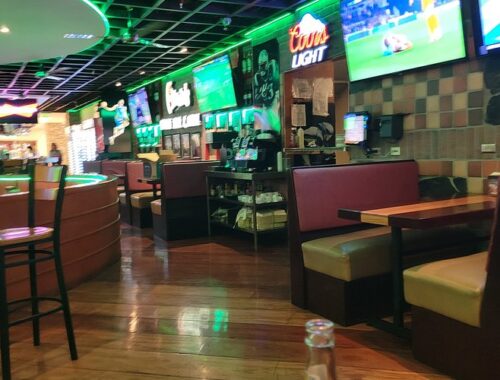
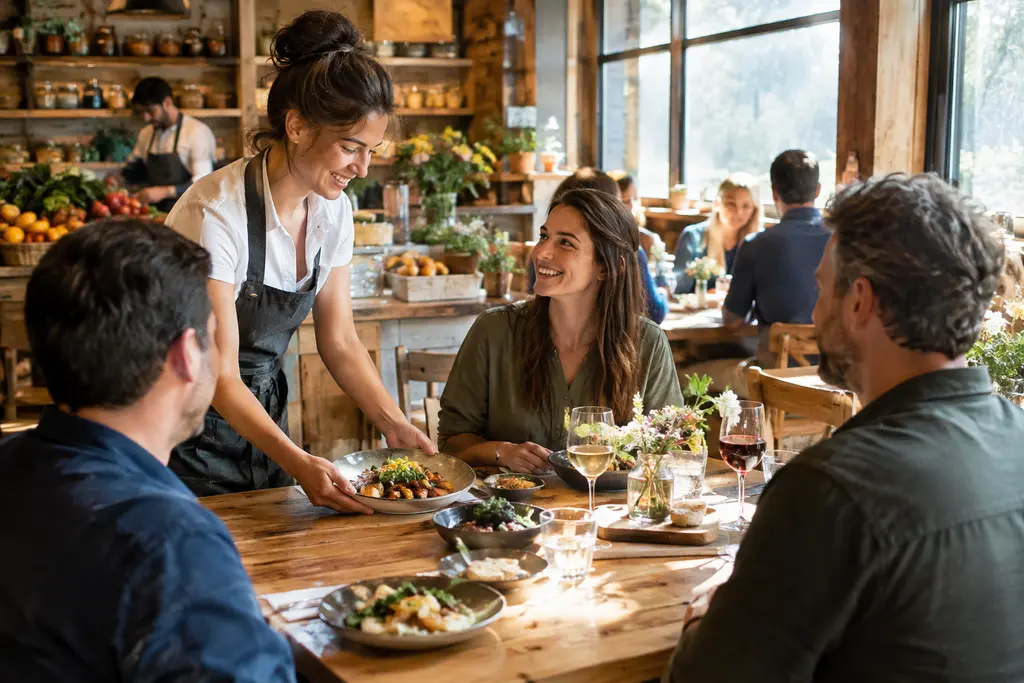
Still, the setting is meaningful. A restaurant carries sensory cues that a meeting room rarely offers: tables, service flow, bar energy, kitchen proximity, and the lived-in pace of hospitality. Those details help business owners think about sourcing as something guests experience directly. A tomato, melon, potato, sweet potato, or herb does not remain an agricultural statistic once it reaches the plate. It becomes part of a dish, a server’s explanation, and a guest’s memory of place.
What The Local Sourcing Event Asks Of Businesses
Questions Chefs And Retailers Can Bring
Because the event includes opportunities for businesses to connect directly with seasonal growers, attendees can make better use of the session by arriving with specific questions. The published reporting also notes that county staff are expected to help clarify which produce is available in Northeast Florida during current and coming seasons, according to the First Coast Observer.
- Which local crops are reliable enough for a recurring menu item?
- Which items are better suited to specials because supply shifts quickly?
- How much lead time do growers need for restaurant or retail orders?
- What details can staff share with guests without overstating the source?
- How can a business reflect Snail of Approval values beyond the menu?
These questions keep the conversation practical. Local sourcing can sound broad until a chef has to order for a Friday dinner service or a grocer has to decide what can sit on a shelf. The strongest restaurant atmosphere often comes from this kind of specificity: staff know where an ingredient came from, why it is on the menu, and how its season affects the dish.
Seasonality As Atmosphere
For diners, the Local Sourcing Event is a reminder to read atmosphere with more than your eyes. A room can feel connected to its region through simple, verifiable signals: seasonal produce named clearly, servers who can explain a farm relationship without sounding rehearsed, and menus that adjust when supply changes. The research does not provide The Floridian’s event menu or service plan, so the safest reading is cultural rather than culinary: this gathering is about building relationships that may later affect what appears on plates and shelves.
Hudson Valley diners know this pattern well. A restaurant that buys closer to home may not always advertise it loudly, but the practice can show up in shorter menu descriptions, seasonal specials, and a dining room that feels rooted in nearby farms. For a related local angle, our piece on local sourcing and restaurant ambiance looks at how sourcing choices can influence mood, décor, and practical booking decisions.
The Snail Of Approval Frame
Six Values Behind The Recognition
The Snail of Approval designation, as described in the research, recognizes businesses that commit to six core values: local or sustainable sourcing, environmental stewardship, cultural diversity in food, community involvement, employee support, and inclusive business practices. This is where ambience becomes more than lighting, table spacing, and music. A dining room also sends signals through who it buys from, how it talks about producers, and whether staff can answer guest questions with care.
That does not mean every local claim should be accepted without detail. Diners can ask polite, direct questions: Which farms are represented on the menu? Is the item seasonal or part of a standing supplier relationship? Does the restaurant name the source because it is central to the dish, or is the claim more general? A thoughtful answer can make a meal feel more connected. A vague answer may not ruin dinner, but it tells guests how much weight to give the sourcing language.
Why County Farm Data Adds Context
The research cites 2022 USDA Census of Agriculture figures showing that St. Johns County had 223 farms covering 23,749 acres. It also reports that between 2017 and 2022, the number of farms dropped 12%, while land in farms declined by 31%. Those figures make the event’s business-to-grower structure feel especially practical. If the number of farms and farm acreage have fallen, then restaurant and retail purchasing relationships become part of a larger conversation about local food access and demand.
The same research notes that St. Johns County farms sold $57.8 million in agricultural products in 2022, with 97% from crops and 3% from livestock. Vegetables, melons, potatoes, and sweet potatoes made up about $38.7 million, or roughly 67% of county agricultural sales. Nursery, greenhouse, floriculture, and sod products contributed another $15.4 million. For chefs, those numbers suggest that produce conversations are not decorative. They sit near the center of the county’s agricultural identity.
How Diners Can Read A Sourcing Conversation

Signals To Notice Before Booking
Even if the November 17 session is aimed at businesses, diners can use its themes before making a reservation anywhere. Look for menus that name ingredients with enough clarity to be useful. Ask whether a seasonal item is likely to remain available through the week. If a restaurant promotes local sourcing, check whether staff can describe the relationship in plain language. These are not tests designed to embarrass anyone; they are fair questions from guests who care about where their food comes from.
Atmosphere also includes trust. A restaurant that says less but says it clearly can be more persuasive than one that uses broad claims without specifics. The available event notes emphasize connection among businesses, growers, and county staff. That kind of connection can help restaurants avoid overpromising and can help diners understand why a favorite dish may appear briefly, change with the harvest, or leave the menu until the next season.
Comparing Community Food Cultures
St. Augustine and the Hudson Valley are different dining regions, but the questions raised by this program travel well. Who grows the food? Who buys it? Who tells the guest the story? Who benefits from the relationship? A community-oriented restaurant culture depends on those answers being grounded in fact rather than mood alone.
Readers interested in exploring different restaurant networks can also visit De Novo Montclair to gain insight from another hospitality perspective within the same broader dining conversation. The useful point is not to flatten regional differences. It is to notice how every food community develops its own way of linking producers, operators, and guests.
The Floridian Local Sourcing Event Takeaways
What To Watch On November 17, 2026
The Local Sourcing Event at The Floridian is best understood as a working session for the people who shape menus, purchasing, and guest communication. Its free registration model lowers the barrier for food businesses, while the Snail of Approval frame gives the session a values-based structure. The strongest takeaway for diners is practical: local sourcing becomes visible long before the plate reaches the table.
If a chef builds stronger grower relationships, a restaurant can speak more clearly about seasonality. If county staff clarify produce availability, businesses can plan with fewer assumptions. If retailers and restaurants treat local sourcing as part of hospitality rather than a slogan, guests may feel that care in the room. The Floridian’s November gathering shows how atmosphere begins with decisions made before service starts, and those decisions can give a meal a stronger sense of place.