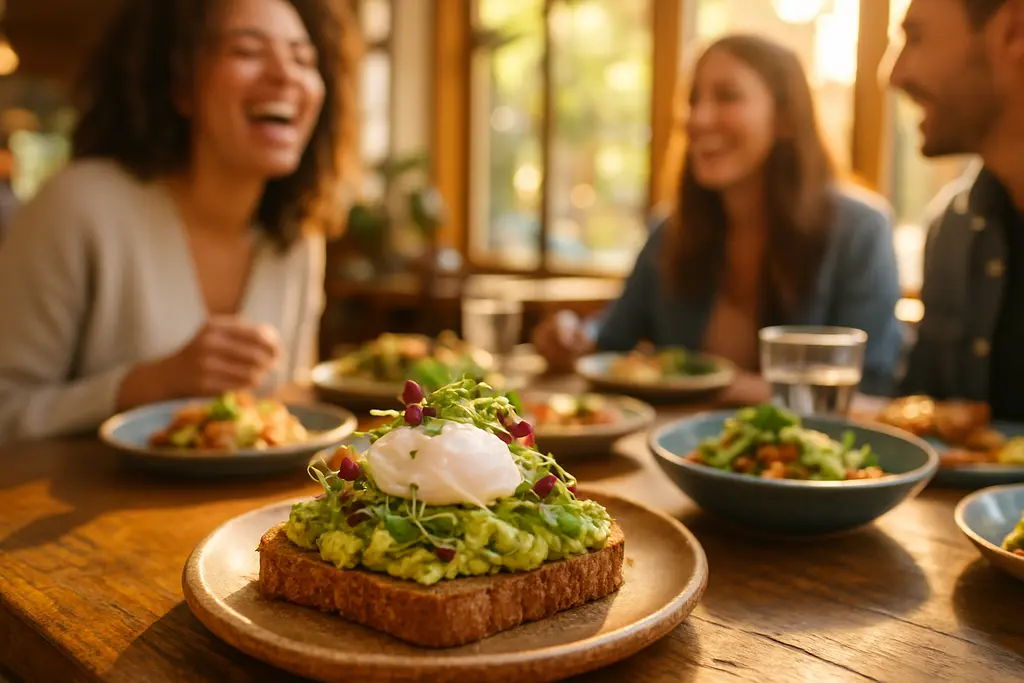
Eat Local Month Brunch Plans in Washington
Eat Local Month gives Washington diners a clear September reason to look more closely at brunch menus, coffee counters, pastry cases, and farm-to-table claims. The statewide celebration runs for the full month of September 2026 and was declared to honor farmers, fishers, food artisans, and local producers, according to the state campaign page from Eat Local First state’s September declaration. As of September 28, 2026, the month was still active, while many of its dated tastings, tours, and market events had already taken place.
Writing from a Hudson Valley brunch-and-cafe perspective, I find this kind of month useful because it turns a broad idea into practical dining questions. A good brunch is not just eggs, toast, coffee, and a relaxed table. It can show how a kitchen thinks about growers, bakers, cider makers, seafood, and seasonal fruit. Washington’s September calendar offers a helpful model for diners anywhere, including those of us who ask similar sourcing questions in Hudson Valley cafes.
Why Eat Local Month Matters For Brunch
What The September 2026 Declaration Covers
The declared month centers on Washington-grown, raised, caught, and made foods. That matters for brunch because morning and midday menus often lean on ingredients that can show local sourcing clearly: eggs, dairy, grains, berries, mushrooms, bread, smoked fish, cider, coffee pairings, and preserves. A dinner menu may have more technique on display, but brunch can make sourcing easier to spot. If a cafe lists the farm behind its eggs or the orchard behind its cider, the diner gets a stronger sense of place before the first sip of coffee.
The research notes also name the campaign language around getting a taste of Washington State, with farm-to-table restaurants participating through September 2026. Barking Frog at Willows Lodge in Woodinville and Billie’s Diner in Airway Heights were cited as examples of restaurants spotlighting hyper-local dishes during the month. For a brunch guest, the practical move is simple: do not assume every seasonal phrase means the same thing. Ask what is local, what is made in-house, and what changes during September.
Eat Local Month Questions For Diners
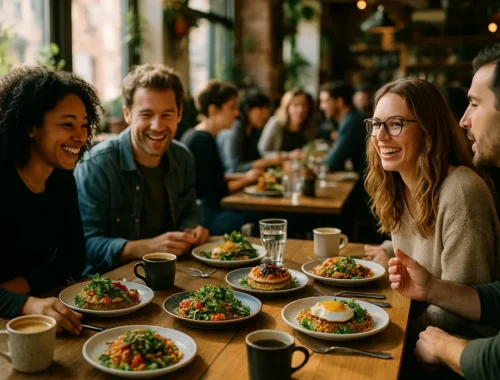
During Eat Local Month, brunch-goers can use direct but friendly questions. A server should not have to recite a farm directory from memory, yet a restaurant that centers local sourcing often has at least a few clear answers. Ask which menu items feature Washington produce, whether baked goods are made on site or sourced from a local bakery, and whether any beverages connect to nearby cideries, farms, or food artisans.
Those same habits translate well beyond Washington. For Hudson Valley readers, the same thinking applies before booking a weekend table in Kingston, Beacon, Poughkeepsie, or Hudson. If a menu says seasonal vegetables, you can ask which farms are represented. If a brunch board lists jam, cider, cheese, or bread, you can ask whether those items come from nearby producers. For a Northeast comparison, our piece on local sourcing trends looks at similar questions diners can bring to brunch rooms closer to home.
Events That Shaped September Dining
Past Dates Diners Can Still Learn From
Several Washington events connected the month to real places rather than abstract menu language. Pacific Northwest Organic Week ran from September 14 through September 20, 2026. Taste of the Sound took place at Seattle’s Fishermen’s Terminal on Thursday, September 17, 2026, from 5 to 8 p.m., with more than 75 Washington producers listed in the research notes. Those dates had passed by September 28, 2026, so diners should treat them as examples of how the month was built rather than as plans to attend.
The Farm Tours of the San Juans were scheduled for September 25 through September 27, 2026, from 10 a.m. to 7 p.m. daily. That window had also closed by September 28. The Lynden Farmers Market, by contrast, was listed as active every Saturday through October 3, 2026. For brunch planning, markets like that can be useful before or after a meal: they let diners see produce, baked goods, cider, or pantry items that may also appear on local menus.
Whidbey Island Food Stops
Whidbey Island’s September schedule gave diners a tight view of how farm events and casual eating can overlap. The Whidbey Pies tasting took place on September 18, 2026, from 11 a.m. to 2 p.m.; Aslan Brewers Night at the Taproom ran on September 17, 2026, from 6 to 8 p.m.; and the Whidbey Island Cider Festival was held on September 19, 2026, from noon to 6 p.m., according to Whidbey Island Grown’s event listing Whidbey Island schedule. Those events had passed as of September 28, but they still show the range of ways local ingredients can show up: pies, small plates, cider, farm products, and casual tasting formats.
Cama Beach Cafe & Catering on Camano Island was also listed in the research notes as open Friday through Sunday, September 25 through September 27, 2026, with brunch service from 8 a.m. to 2 p.m. and local produce plus baked goods available to buy or take home. Since that service window had passed by September 28, diners should not treat those hours as a current booking tip. The useful lesson is broader: a brunch stop that also sells baked goods or local pantry items can extend the meal into the rest of the weekend.
How To Choose A Local Brunch Table
Look For Clear Sourcing Signals
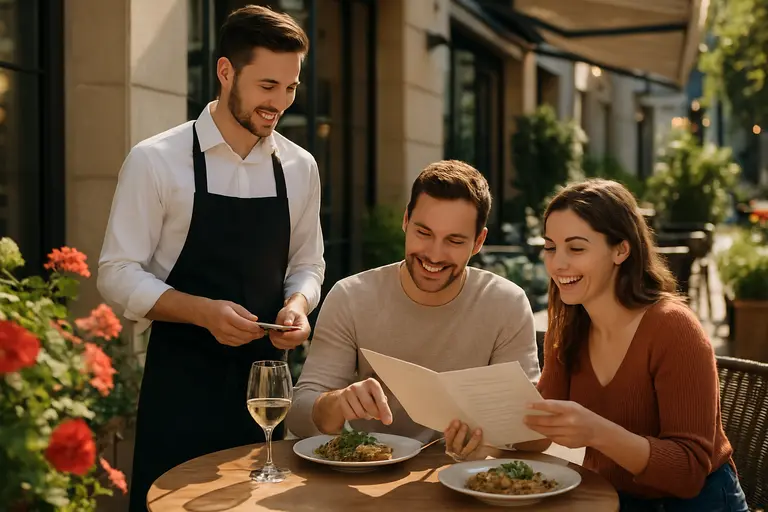
A useful brunch menu does not need to read like a farm ledger, but it should give diners clues. Strong signals include named farms, named fisheries, named bakeries, specific growing regions, seasonal fruit descriptions, and a staff that can explain at least a few sourcing choices. The Eat Local First window decal, described in the research notes, identifies restaurants, markets, and retailers committed to sourcing food grown, raised, caught, or made in Washington. A decal is not a full menu explanation, but it gives diners a starting point.
Brunch guests should also pay attention to what a restaurant does not say. If the menu uses local-sounding language without naming ingredients, farms, regions, or producers, it is fair to ask for more detail. That does not have to feel like an interrogation. A simple question such as, “Which dish is most connected to Washington producers right now?” keeps the conversation warm and practical.
Ask Before Booking
Before booking a brunch table during a local-food promotion, call or check the restaurant’s official channels for hours, reservation rules, and menu changes. Research notes can point you toward a promising place, but menus and hours can shift. This matters even more after a dated event has passed. A cafe that served a special local dish on September 20 may not still offer it on September 28.
- Ask whether the local-ingredient menu is available at brunch, dinner, or both.
- Confirm the service window, especially for weekend-only cafes.
- Ask whether the restaurant takes reservations or uses walk-in seating.
- Check whether baked goods, cider, preserves, or pantry items are available to take home.
- For private brunches, ask a chef which ingredients can be sourced from nearby farms.
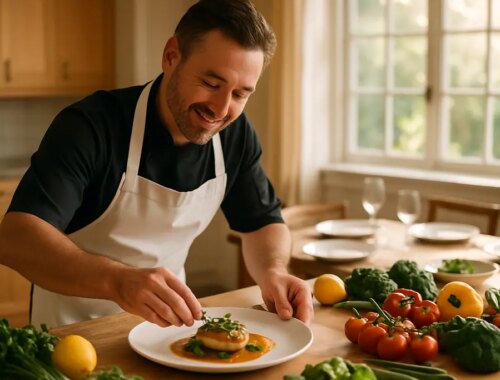
That last point matters for hosts who want the spirit of a restaurant brunch without a public dining room. A small gathering can still support growers if the cook plans around seasonal produce, local bread, regional fruit, or Washington seafood. If you are comparing private meal options, Personal Chef Mall offers insights into chef services and meal planning to bring this vision to life.
Eat Local Month Brunch Plans
Building A Better September Plate
Because Eat Local Month was still active on September 28, 2026, diners had a few days left to use the month as a prompt, not a slogan. The smartest brunch plan is to match appetite with verification. Choose a restaurant or cafe that gives real sourcing clues, confirm hours through official channels, and ask one or two friendly questions before ordering. If a dated festival or tasting has passed, use it as a sign of which producers and ingredients are part of the broader food community, not as an event recommendation.
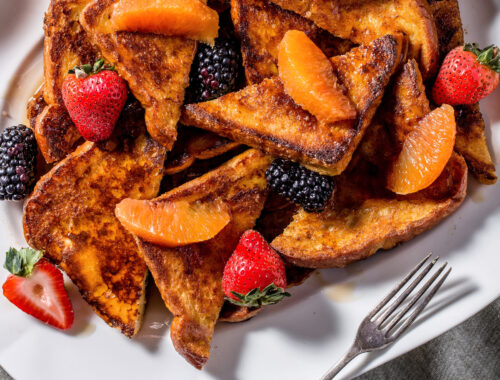
For coffee lovers, the same approach works at the cup-and-pastry level. Ask whether the pastry case features local fruit, whether bread is baked in-house or nearby, and whether seasonal specials connect to area farms. Brunch feels more grounded when the plate has a story that staff can actually explain. Washington’s September celebration gives diners a practical way to reward that clarity, one omelet, cider pour, pie slice, or berry-topped pastry at a time.