Zero-Waste Dining At NYC Restaurant Week
Zero-Waste Dining has moved from a back-of-house kitchen goal into a public dining experience, and the 2026 Make Food Not Waste Restaurant Week gives diners a clear way to taste what that means on the plate. The third annual event runs from September 28 through October 4, 2026, and it centers on restaurants in New York City serving dishes, menus, drinks, and pairings built around using food more fully. For Hudson Valley diners who watch seasonal menus, farm sourcing, and chef-led signature dishes closely, this event offers a practical lens: less waste does not have to mean less pleasure.
The event is organized by Mill, and its 2026 announcement says the week includes four formats: a single featured dish, a curated three-course menu, an exclusive cocktail, or a paired dish and drink. The same announcement names participating restaurants and chefs connected with Michelin recognition, James Beard Awards, and North America’s 50 Best, including newcomers Chambers, Cynthia, Somssi, and Oberon, along with returning restaurants Bangkok Supper Club, Corima, and Raf’s. Diners can read the stated format and restaurant list in Mill’s 2026 announcement.
How Zero-Waste Dining Shows Up On The Plate
Zero-Waste Dining Formats To Know
The four-format structure matters because it keeps the experience flexible. A diner who wants a full seated meal can look for a three-course menu, while someone planning a lighter stop may focus on one featured dish or a drink pairing. That range is useful for Hudson Valley guests making a city reservation around work, a day trip, or a specific chef. Rather than assuming every restaurant will handle the week the same way, read the offering type first and then ask whether the dish, menu, or drink is available during the meal period you want.
For diners, Zero-Waste Dining is not just a label. It often shows up as a change in technique: using shells for sauces, stems for oils, scraps for garum, or seeds for a sauce component. The most helpful way to approach the week is to read dish descriptions as if they are kitchen notes. Which part of the ingredient is being saved from the bin? Is it adding crunch, sweetness, umami, aroma, or body? Those questions make the meal more interesting without turning dinner into homework.
Signature Dishes That Explain The Idea
Corima’s three-course menu is one of the clearest examples from the 2026 lineup. The menu includes Sope with Quelites, Wood Ear, Sauce Vin Jaune, and Golden Osetra Caviar; Hamachi Collar with Chintextle, Cascabel Aioli, and Chives; and Bluefin Tostada with Mango Seed Sikil Pak. The mango seed detail is the key teaching point: the seed, which is often discarded, becomes part of the tostada’s flavor structure.
Bangkok Supper Club takes a shell-to-head approach with Botan Ebi Toast. The shrimp shells are remade into coconut chili cream, the shrimp itself is served raw, and the head is deep-fried as a crisp garnish. Bar Chucho’s Hamburguesa takes a different route, pairing a dry-aged beef patty with house-made beef garum made from fermented scraps and bones over six months. The burger is finished with burnt onion and beef bone marrow mayonnaise, queso chihuahua, and chile toreado. These are not background sustainability gestures; the saved parts are built into the main reason a diner orders the dish.
Dish Details Worth Reading Before Booking
Seafood, Scraps, And Texture
One of the strongest patterns in the 2026 examples is texture. Family Meal at Blue Hill serves Fish Scale Rice Crackers made with fish scales from Dock to Dish, tuna scraps, herb stems, olive oil, and rice crackers. That description shows how a kitchen can move food parts across categories: scales and scraps become a crisp snack rather than a trim pile. For diners who usually focus on premium cuts or familiar fillets, this is a reminder that chef skill often appears in the treatment of overlooked pieces.
Seafood also gives diners a simple booking question: ask how the featured item fits into the larger menu. If the restaurant is offering a single dish, you may want to know whether it is meant as a starter, main, or shareable plate. If it is part of a three-course menu, ask whether substitutions are offered before reserving. Do not assume flexibility unless the restaurant confirms it. The practical goal is to avoid surprise at the table, especially if your party includes diners with allergies or strong preferences.
Vegetables, Grains, And Cocktails
The week is not only about meat and seafood. HAGS offers NY Rice Brioche made with house-milled local rice, topped with tomato hâché, tomato water, and herb oil. Somssi serves Gamja, or Potato, Sujebi, building from a previous “Potato Potato Potato” dish and adding crispy chicken skin, potato crunch, nutritional yeast, parmesan, chives, and parsley oil. Chambers features The Cornish Split, a vodka-based cocktail, alongside Norwich Meadows Carrots with carrot top pesto. Oberon offers Idle Bloom, a nonalcoholic drink made with salvaged citrus scraps.
These drinks and vegetable-focused dishes are useful for Hudson Valley diners because they echo what we often see at seasonal farm markets: tops, stems, peels, and scraps still carry flavor. If you follow market-led cooking, you can connect this week with the way local menus change around harvests, greens, roots, and preserving projects. For a deeper local angle, our piece on seasonal dining markets explains how to read menu timing through produce and farmer questions.
What Hudson Valley Diners Can Learn
Questions To Ask Politely
A good question can make the meal better without putting the server on the spot. Ask which part of the ingredient is being reused, whether the featured dish is limited to certain services, and whether a pairing is optional or fixed. If you are visiting with a group, ask whether the zero-waste item works for sharing. If the restaurant lists a three-course menu, ask whether every person at the table needs to order it. These are normal dining questions, and they help you plan with fewer assumptions.
- Confirm the exact dates: September 28 through October 4, 2026.
- Check whether the restaurant is serving a dish, three-course menu, cocktail, or pairing.
- Ask about availability for the meal period you plan to book.
- Read the ingredient description for technique, not just familiar flavors.
For home hosts, this restaurant week also offers a useful way to understand culinary professionals’ approaches. If you hire a chef for a dinner in the Hudson Valley, consider the importance of sustainability in planning your menu. Websites such as Personal Chef Mall provide valuable insights and options for hiring chefs committed to using every part of an ingredient.
Composting Beyond The Dining Room
The event also includes a waste-processing step. Mill is partnering with Reclaimed Organics to collect food scraps from participating restaurants, with scraps going to a downtown Manhattan community garden for composting for use in gardens and street trees. That fact matters because restaurant waste reduction is not only about clever dishes. It also depends on what happens to the scraps that still remain after service.
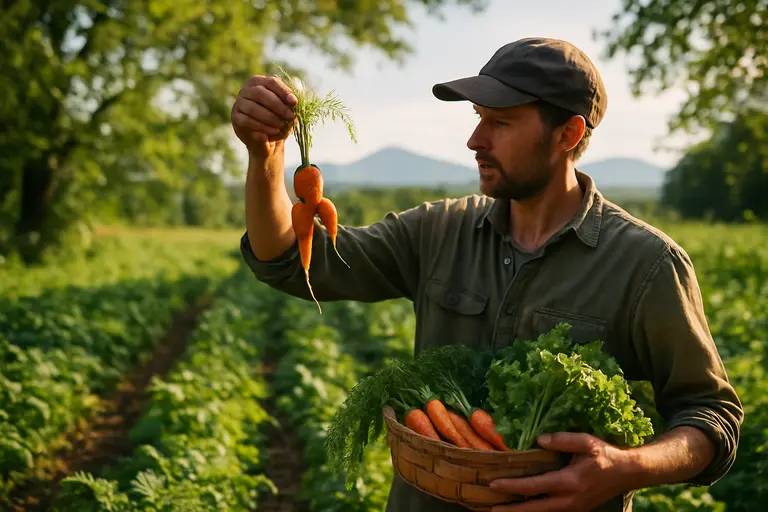
Hudson Valley diners do not need to copy every fine-dining technique at home to learn from the week. The practical takeaway is simpler: notice how chefs assign value to parts of an ingredient that usually disappear. A carrot top can become pesto. Citrus scraps can support a nonalcoholic drink. Herb stems can help season a cracker or oil. The lesson travels well, whether you are reading a city menu, visiting a farm stand, or planning a dinner with friends.
Zero-Waste Dining For The NYC Restaurant Week Experience
Reading The Menu With Better Questions
Seen through a Hudson Valley lens, Zero-Waste Dining is most useful when it sharpens the way we read menus. The 2026 Make Food Not Waste Restaurant Week gives clear examples: mango seeds in sikil pak, shrimp shells in coconut chili cream, beef scraps and bones in garum, fish scales in rice crackers, carrot tops in pesto, and citrus scraps in a nonalcoholic drink. Each detail gives diners a specific point of entry into the chef’s thinking.
If you plan to book during September 28 through October 4, 2026, start with the participating restaurant’s format, then move to the dish description, then ask direct questions before committing. That order keeps the experience practical and respectful. It also helps diners recognize signature dishes that are doing more than adding novelty. The strongest examples use the full ingredient to build flavor, texture, and story in the same bite.