seasonal dining markets For Signature Dishes
For Hudson Valley diners, seasonal dining markets can turn a simple meal plan into a more informed way to read menus, shop with purpose, and understand why certain signature dishes appear for only a short stretch. A peach dessert in late summer, a tomato toast in August, or a squash plate in fall often starts with a market table, not a marketing phrase. The useful question is not only what looks fresh, but how that freshness moves from grower to cook to diner.
National data supports what many regular market shoppers already sense. A 2025 nationwide survey of 5,141 respondents found that 80.3% attend farmers markets at least once a year, and market attendance rises strongly during summer, according to the farmers market survey. That rhythm matters for dining. If more people are visiting markets in warmer months, cooks have a wider audience for dishes shaped by berries, greens, stone fruit, tomatoes, corn, herbs, and other seasonal items named on menus as availability allows.
In the Hudson Valley, a practical diner does not need to know every farm relationship behind a plate. But asking better questions can make a reservation, brunch choice, or weekend market stop more rewarding. If you want a deeper companion piece on sourcing habits, our local note on local sourcing and farmers markets pairs well with this approach.
How seasonal dining markets Shape Signature Dishes
seasonal dining markets And Menu Timing
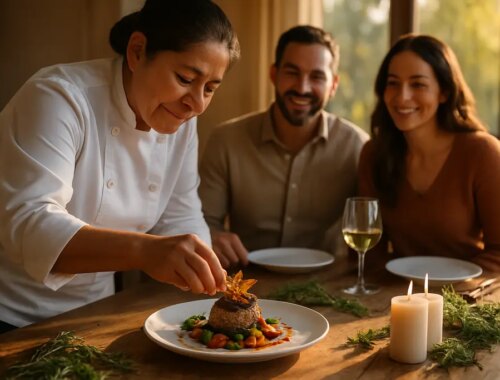
Signature dishes often become memorable because they land at the right moment. A kitchen can repeat a pasta shape, a tart shell, or a coffee pairing all year, but the produce that gives the dish its identity may change week by week. Farmers markets make that timing visible. Diners see the same short windows that chefs work with: the first tender greens, the rush of berries, the tomato peak, the apple stretch, and the storage crops that carry colder months.
The survey data also helps explain why summer menus often feel more market-driven. In the 2025 survey, summer had the strongest attendance pattern among the seasons, while winter attendance was far lower. For diners, that means a summer market visit may offer the widest chance to connect a restaurant special with what growers are selling nearby. In winter, market-led cooking can still happen, but it may lean more on storage crops, baked goods, packaged items, eggs, preserves, and planned relationships between buyers and farms.
This is where diners can read menus with care. A dish described as seasonal should usually make sense for the date. That does not mean every ingredient must be grown locally, and restaurants should not be expected to share private purchasing details for every plate. Still, a menu that names a farm, a crop, or a short harvest window gives diners a useful clue. If a server can explain the source plainly, that adds confidence without requiring a long speech at the table.
Reading A Signature Dish Without Guesswork
A smart way to judge a market-inspired signature dish is to separate the constant from the variable. The constant may be the chef’s technique: a well-made galette, a composed salad, a roast chicken, a grain bowl, or a house pastry. The variable is the seasonal ingredient that changes the mood of the dish. Strawberries may make a brunch plate feel bright in early summer; roasted roots may give the same kitchen a deeper tone in late fall.
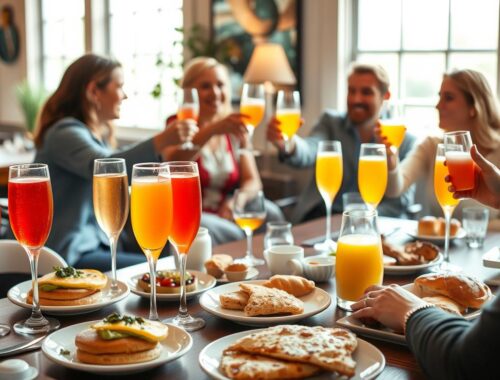
For coffee drinkers, the same logic applies to café food. A market fruit scone, a savory tart, or a breakfast sandwich with greens can shift the entire coffee pairing. A lighter pastry may call for a cleaner brewed cup, while a richer baked item can stand up to espresso. That is not a rule, just a useful diner’s tool: taste the seasonal ingredient first, then decide whether the coffee should refresh the palate or match the dish’s weight.
Market engagement also helps diners avoid vague expectations. A restaurant may run out of a limited dish because a crop was limited. A café may change fruit fillings because the vendor brought something different. Those shifts can be frustrating if a guest expected a fixed item, but they are part of the logic of seasonal cooking. Calling ahead, checking the restaurant’s official menu, or asking whether a special is still available can prevent disappointment.
What Diners Can Ask Before Booking
Questions That Respect The Kitchen
Good questions are short, specific, and easy for staff to answer. Instead of asking whether everything is local, ask which dish is most connected to the market that week. Instead of asking for a full supplier list during a busy service, ask whether the kitchen is featuring any seasonal produce. If you are choosing a place for guests, ask whether the signature dish changes with the market or stays the same all month.
- “Which dish on the menu is most seasonal right now?”
- “Does the brunch special change based on market availability?”
- “Are any desserts using local fruit this week?”
- “Is the advertised special still available for the reservation time?”
- “Does the kitchen offer a non-meat market-focused option?”
These questions are practical because they focus on the dining decision. They do not pressure a server to prove a claim or turn a meal into an audit. They also help diners compare restaurants fairly. A place that changes one pastry with the fruit harvest may be just as thoughtful as a place that lists several farms, depending on its size, format, and price point.
How Market Habits Shape Better Meals
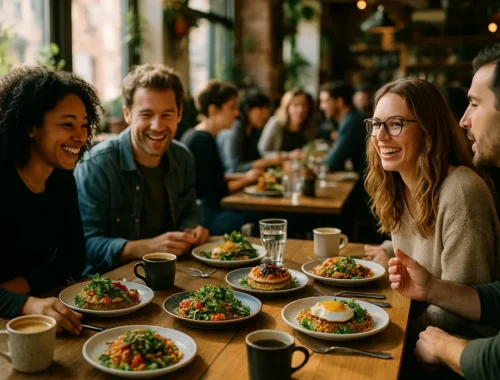
Farmers markets are not only shopping stops. The same 2025 survey reported that many attendees use markets as social and learning spaces, with respondents spending time with family and friends, learning about food, meeting people, and learning about growing food. That matters for dining culture because diners who ask growers about produce often become more curious restaurant guests. They notice texture, ripeness, and timing with more care.
The direct-sales side of agriculture also gives this dining habit a wider frame. Based on the 2022 Census of Agriculture, 116,617 U.S. operations sold food or drink products directly to consumers, representing 6% of all farms, with $3.26 billion in total gross direct sales nationally, as noted by the direct-to-consumer sales brief. That does not prove a specific restaurant buys from a specific farm. It does show that direct buying is a documented part of the national food economy, including farmers markets, CSA programs, and roadside stands.
For Hudson Valley diners, the practical move is to keep market knowledge grounded. If you buy excellent plums on Saturday, do not assume every plum dessert nearby used the same source. Instead, use that experience to ask sharper questions and recognize good timing. Market familiarity gives you a palate for seasonality without turning every meal into a sourcing investigation.
Planning A Market-To-Table Weekend

Start With The Market, Then Choose The Table
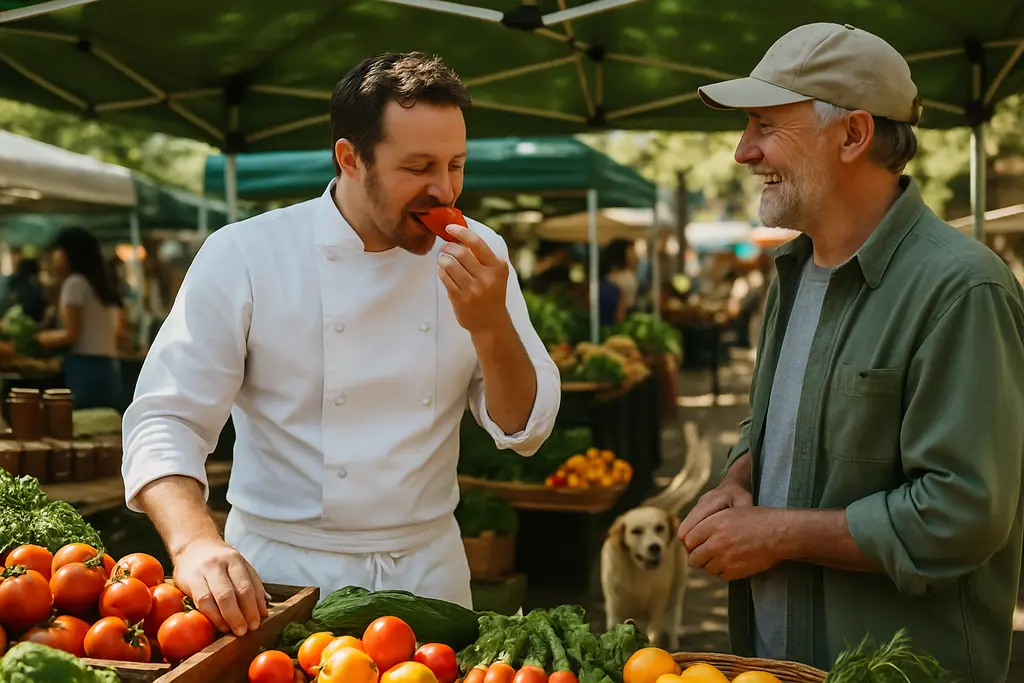
A useful weekend plan starts early. Visit the market first, notice what appears in quantity, then look at menus for the same ingredients. If the market is full of tomatoes and basil, a restaurant special featuring those items makes seasonal sense. If apples have taken over the stands, a café pastry, cider-friendly brunch plate, or fruit dessert may be the stronger bet.
This approach works especially well for diners who care about signature dishes but do not want a rigid itinerary. You can shop for home, ask growers what is peaking, and then choose a lunch or dinner that reflects the same moment. Families can make it educational without making it formal: let someone pick a fruit, compare varieties, then look for that ingredient in a dish later in the day.
For insights from nearby regions, our network partner, De Novo Montclair, offers valuable context that reflects how local dining conversations can transcend city lines and market days.
Keep Expectations Flexible
The best market-based dining plans leave room for change. Weather, harvest timing, staffing, and demand can affect what appears on a menu. If a dish is the reason for a booking, confirm through the restaurant’s official channel before you go. If you are open to the broader idea of seasonal cooking, ask what the kitchen recommends that day and judge the plate on balance, freshness, and clear flavor.
For coffee and brunch, flexibility is especially helpful. A café case may change quickly after a morning rush. A bakery item using berries, apples, or squash may sell out before late afternoon. Ordering earlier in the day can improve your chances, but it is still wise to have a second choice. Sometimes the better discovery is not the item you planned to order, but the one that reflects what arrived from a grower that morning.
seasonal dining markets For Hudson Valley Diners
seasonal dining markets give Hudson Valley diners a clear way to connect market habits with restaurant choices. The value is not in chasing buzzwords. It is in understanding timing, asking direct questions, and respecting the short life of certain ingredients. A signature dish tied to a seasonal crop can feel special because it cannot be fully repeated six months later.
Use the market as a preview of the plate. Notice what growers are selling in quantity, ask what is peaking, then look for restaurant dishes that match the moment. If a menu makes a sourcing claim, treat it as an invitation to ask politely, not as proof of every detail. If a dish changes without warning, remember that seasonal cooking often depends on supply that is smaller and less predictable than standard ordering.
For diners, the reward is a better sense of place at the table. seasonal dining markets can help you choose brunch with more confidence, pair coffee with pastries more thoughtfully, and recognize why a chef might build a signature dish around one fleeting ingredient. That is a practical, delicious way to engage with the Hudson Valley’s food culture one market week at a time.