shrimp labeling act: Menu Clarity This Fall
The shrimp labeling act in South Carolina gives seafood diners a clearer way to understand what is on the plate before ordering. Act No. 254 of 2026, also listed as H. 4248, was ratified on June 29, 2026, signed by Governor Henry McMaster on June 30, 2026, and becomes effective on October 28, 2026, according to the South Carolina legislation. For diners who care about seafood sourcing, this is not just legal language. It changes what guests should expect to see on menus and near restaurant entrances when shrimp is imported.
For Hudson Valley food lovers, the law is worth watching even though the research supplied here addresses South Carolina, not New York. Many diners here ask similar questions about farms, fisheries, coffee roasters, bakeries, and kitchen sourcing. The practical lesson travels well: if a dish is marketed around place, origin, or local flavor, the menu should make the key details easier to understand. That matters for signature seafood plates, chef-led dinners, and any restaurant trying to build trust with regular guests.
What The shrimp labeling act Requires
The new South Carolina rule adds Section 39-25-175 to the South Carolina Code. Its core requirement is direct: food service establishments must disclose when foreign imported shrimp is being served. The law draws a line between “domestic shrimp,” defined as shrimp caught and landed in waters of a state or waters of the United States, and “foreign imported shrimp,” defined as shrimp imported into the United States.
Two Menu Notices Diners May See
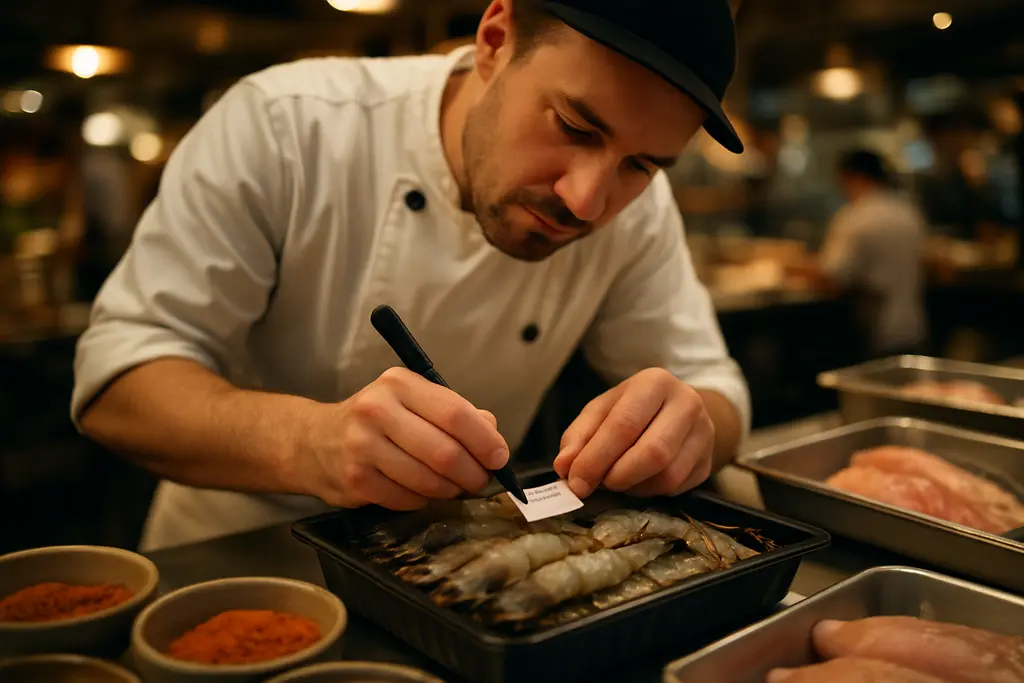
The exact wording depends on what the establishment serves. If a restaurant serves both foreign imported and domestic shrimp, the menu and a sign visible at the main entrance must state: “Some items served at this establishment may contain foreign imported shrimp. Ask for more information.” That wording matters because it tells diners there may be more than one shrimp source in the kitchen.
If a restaurant serves only foreign imported shrimp, the required disclaimer is different: “Some items served at this establishment contain foreign imported shrimp. Ask for more information.” That phrasing is more direct. It tells the guest that the shrimp being served is imported, while still inviting questions. For people choosing between a fried shrimp basket, a shrimp appetizer, or a chef’s seafood special, this notice gives them a clear prompt before ordering.
How The shrimp labeling act Handles Violations
The law gives the South Carolina Department of Agriculture enforcement authority. A first violation results in a warning, with three days to correct the non-compliance. After that, subsequent violations can bring a civil fine of not less than $100 and not more than $5,000 per day until the establishment complies. For diners, the most useful takeaway is simple: the law is written with visible disclosure in mind, not private back-office paperwork.
That distinction is helpful for anyone who reads menus closely. A sourcing claim that only appears in a server’s explanation can be easy to miss, especially during a busy dinner service. A menu notice and entrance sign create a shared starting point for the guest and restaurant staff. It does not answer every sourcing question, but it gives diners permission to ask for more detail.
Why Seafood Menu Transparency Matters
The push for clearer shrimp labeling did not happen in a vacuum. In early February 2026, the Southern Shrimp Alliance randomly tested shrimp from 44 restaurants between Little River and Murrells Inlet along the Grand Strand. The reported result was that only 11 restaurants, or 25 percent, were serving fresh, locally caught shrimp, according to WMBF News.
Those numbers explain why menu language can matter to diners. If a guest sees coastal imagery, regional seafood wording, or a dish that feels tied to a place, it is reasonable to ask whether the shrimp is domestic or imported. The South Carolina law does not ban imported shrimp. It requires disclosure. That is an important difference for practical dining decisions. Imported seafood may still appear on menus, but the guest should not have to guess whether a shrimp dish is foreign imported when the law applies.
What To Ask Before Ordering Shrimp
The most effective questions are calm and specific. Diners do not need to cross-examine a server to get useful information. A simple question like, “Is the shrimp in this dish domestic or foreign imported?” matches the wording of the law. If a restaurant serves both, a follow-up can be just as direct: “Which shrimp dishes use domestic shrimp today?”
- Ask whether the shrimp in the specific dish you want is domestic or foreign imported.
- If the menu carries the mixed-source notice, ask which items use which source.
- For chef’s specials, ask before ordering because specials may not be printed on the regular menu.
- If you are hosting a private dinner, ask the chef how seafood sourcing will be described to guests.
That last point connects with private dining as well. Hosts planning a seafood-forward meal may want the same clarity they expect at a restaurant. A related resource such as Personal Chef Mall can help diners think through the kinds of questions to raise before hiring a chef, especially if the meal centers on a signature shrimp dish or a coastal-inspired menu.
What Hudson Valley Diners Can Take From It
The Hudson Valley is not South Carolina, and the research provided here does not establish a matching New York shrimp disclosure rule. Still, the dining habit is useful here: ask clear questions, listen for clear answers, and read the menu closely. Local sourcing is often discussed with produce, dairy, cider, coffee, and meat. Seafood deserves the same care, especially when a menu uses wording that suggests place or origin.
As a coffee person, I think about sourcing language every time I read a bag label or cafe menu. Origin, processing, and roast style shape expectations before the first sip. Seafood works in a similar way for diners. If a menu points you toward a coastal identity, the source of the shrimp shapes the story of that plate. That does not mean every dish must be domestic to be enjoyable. It means the diner should understand what is being served.
Booking Smarter Around Signature Dishes
If you are booking a table because of a shrimp dish, call or message ahead when sourcing matters to you. Ask whether the kitchen can identify the shrimp source for that dish. If the answer is uncertain, decide whether the dish still fits what you want from the meal. That approach is practical and fair to the restaurant. It also keeps the conversation focused on the plate instead of turning dinner into a dispute.
For group dinners, especially celebrations, the question becomes even more useful. One guest may care deeply about domestic shrimp. Another may simply want a clear menu. A host can ask in advance and share the answer with the table. That small step can prevent confusion during service and give the kitchen time to respond accurately.
South Carolina Shrimp Menus After October 28
On October 28, 2026, South Carolina’s disclosure requirement takes effect. Diners should expect qualifying food service establishments to use the required menu and entrance language when serving foreign imported shrimp under the conditions described in the law. The shrimp labeling act does not tell diners what to prefer. It gives them a clearer path to ask what is in a shrimp dish before they order.
For Hudson Valley readers, the broader dining lesson is direct: transparency helps guests make better choices. Whether the plate features shrimp, local vegetables, roasted coffee, or a chef’s signature sauce, clear sourcing language builds confidence. The next time a menu leans on place-based flavor, ask the simple question the South Carolina law places in front of diners: where is this ingredient from?