
Shrimp Origin Disclosure for Georgia Diners
Georgia’s shrimp origin disclosure law gives diners a clearer way to read seafood menus, especially at restaurants serving shrimp as a signature dish. For Hudson Valley readers, the rule is not a New York requirement, but it is still useful. It shows how menu language can shape trust, questions, and expectations before a plate reaches the table. House Bill 117 passed during Georgia’s 2025–2026 legislative session and was signed into law on May 6, 2026, according to the Georgia HB 117 bill record.
The law took effect on July 1, 2026, and enforcement is set to begin in January 2027. That gap gives restaurants time to adjust printed menus, digital menus, placards, or visible signs. The practical takeaway is simple: Georgia restaurants serving foreign imported shrimp must tell diners that the shrimp is foreign imported. For anyone who cares about local sourcing, coastal seafood culture, or the story behind a dish, that small phrase can change how a menu is read.
What Shrimp Origin Disclosure Requires
The Georgia rule is direct. Georgia Code § 26-2-378.1 says food service establishments in Georgia that serve foreign imported shrimp must conspicuously disclose that fact. The disclosure must appear either on each shrimp menu item or on public-facing placards or signs stating “FOREIGN IMPORTED SHRIMP,” as described in Georgia Code § 26-2-378.1. The statute also exempts state-run or state agency-operated food service establishments.
Shrimp Origin Disclosure On Menus And Signs
The required wording matters. If the notice appears on a menu item, the law calls for the phrase “FOREIGN IMPORTED.” If a restaurant uses a sign or placard instead, the notice must say “FOREIGN IMPORTED SHRIMP.” A generic word such as “imported” may not meet the wording described in the statute. That detail matters for diners because it gives them a specific phrase to look for, rather than leaving them to interpret softer menu language.
For a diner, this does not mean a restaurant must explain the full supply chain on the menu. The law focuses on disclosure that shrimp is foreign imported. A server may know more, but the posted requirement is narrower than a full sourcing note. Diners who want details about country of origin, wild-caught versus farm-raised status, or supplier practices should still ask directly and politely.
Who Is Covered And Who Is Exempt
The law applies to food service establishments in Georgia that serve foreign imported shrimp. It does not create a national rule, and it does not apply to Hudson Valley restaurants unless a separate New York rule says so. That distinction is useful for travelers, seasonal diners, and anyone comparing seafood menus across states. A phrase required on a Georgia menu may not appear on a menu in Kingston, Beacon, Hudson, or Poughkeepsie.
The exemption for state-run or state agency-operated food service establishments is also worth keeping in mind. A diner in Georgia should not assume every cafeteria, counter, or institutional setting will use the same notice format as a private restaurant. The rule is aimed at covered food service establishments serving foreign imported shrimp, not at every possible meal setting.
Why Hudson Valley Diners Should Pay Attention
Hudson Valley dining culture often rewards curiosity. Diners here ask where apples were grown, which farms supplied greens, and whether a special reflects the season. Seafood has its own version of those questions. Shrimp may appear in pasta, tacos, seafood boils, rice dishes, or Southern-style plates, yet its sourcing can be less visible than produce or dairy. Georgia’s rule gives a practical example of how a menu can answer at least one sourcing question before the diner has to ask.
This is especially relevant for signature dishes. A restaurant’s shrimp dish may carry a sense of place through seasoning, preparation, or plating, even if the shrimp itself comes from far away. That is not automatically good or bad. It simply means diners benefit from asking clear questions and reading disclosures carefully. For a local angle on how sourcing can shape diner expectations, our piece on local sourcing and signature dishes looks at the same issue from a Hudson Valley point of view.
Menu Reading Before A Reservation
Before booking a seafood-focused meal, scan the menu for source notes. Some restaurants list local farms, fisheries, regions, or supplier names. Others keep descriptions short. If shrimp appears in a house pasta, fried basket, gumbo, or daily special, the absence of sourcing language does not prove anything about origin. It only means the menu is not giving you that detail upfront.
Georgia’s shrimp origin disclosure rule shows how one state has chosen to make imported shrimp easier to identify. Hudson Valley diners can use that idea without assuming the same rule applies at home. If sourcing matters to your table, ask before ordering. A short question during a quieter service moment can help avoid confusion and can give staff a fair chance to answer.
Questions To Ask A Server Or Chef
Good questions are specific without sounding like an interrogation. The goal is to understand the dish, not to challenge the dining room. If a server does not know the answer, a well-run restaurant may need a minute to check with the kitchen. That is normal, especially with specials, seafood deliveries, or menu items that change by availability.
- Is the shrimp domestic or foreign imported?
- Is the shrimp wild-caught or farm-raised, if the kitchen has that information?
- Does the restaurant use the same shrimp across all shrimp dishes?
- Can the kitchen identify the supplier or region for tonight’s special?
- If shrimp origin matters for your order, is there another dish with clearer sourcing?
For private dinners, similar questions belong in the planning stage. If you are hiring a chef for a shrimp boil, passed appetizer, or seafood tasting, ask how shrimp will be sourced before the menu is finalized. For thoughtful planning advice, consider resources available at Personal Chef Mall that guide diners on communication and expectations before an in-home dining experience.
Practical Questions For Seafood Meals
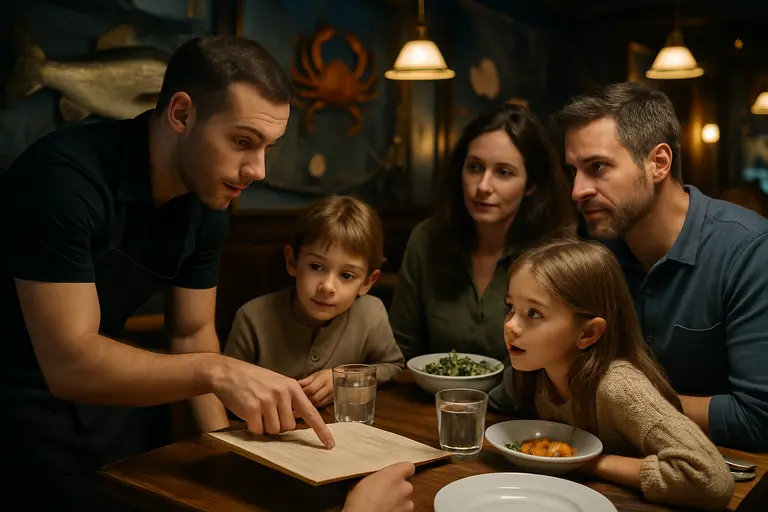
There is a respectful way to talk about seafood origin. Restaurants operate with changing supply, price pressure, and different menu formats. A concise question is usually better than a long explanation at the table. Try: “Do you know whether the shrimp in this dish is domestic or imported?” If the answer is uncertain, you can decide whether the dish still fits what you want that evening.
How To Ask Without Slowing Service
Timing helps. Ask sourcing questions before ordering, not after the kitchen has started the dish. If the restaurant is packed, keep the first question simple and let the server check if needed. For reservations, you can ask by phone or email before arrival, especially if your group is choosing a seafood-heavy menu or planning a celebration meal.
Private events deserve even clearer communication. A host paying for a seafood menu should ask for sourcing expectations in writing, especially if the event theme depends on regional seafood. That does not require legal language. A plain note such as “domestic shrimp preferred if available” or “please identify if shrimp will be imported” gives the chef a clearer target.
What The Rule Does Not Prove
A foreign imported label is an origin disclosure, not a full review of quality, flavor, handling, or safety. Diners should avoid reading more into the phrase than the law states. The label does not tell you whether a dish is well seasoned, whether the shrimp was cooked with care, or whether the preparation matches your taste. Those judgments still come from the kitchen’s technique and the diner’s preferences.
It also does not replace allergen conversations. Anyone with a shellfish allergy should speak directly with the restaurant and follow their own medical guidance. The Georgia rule addresses origin disclosure for foreign imported shrimp, not allergy management or nutritional advice.
Georgia Shrimp Origin Disclosure Takeaways
Georgia’s shrimp origin disclosure law is useful because it turns a common diner question into visible menu or sign language. As of October 5, 2026, the law had already taken effect, with enforcement scheduled for January 2027. The required words are specific, and covered Georgia food service establishments serving foreign imported shrimp need to make that fact clear to the public.
For Hudson Valley diners, the lesson is practical rather than legal. Read seafood menus with care, ask direct questions before ordering, and treat sourcing language as part of the dining experience. A great shrimp dish is not only about sauce, spice, and texture. It is also about whether the restaurant can clearly explain what is on the plate.