Funwoody restaurants reshape community dining
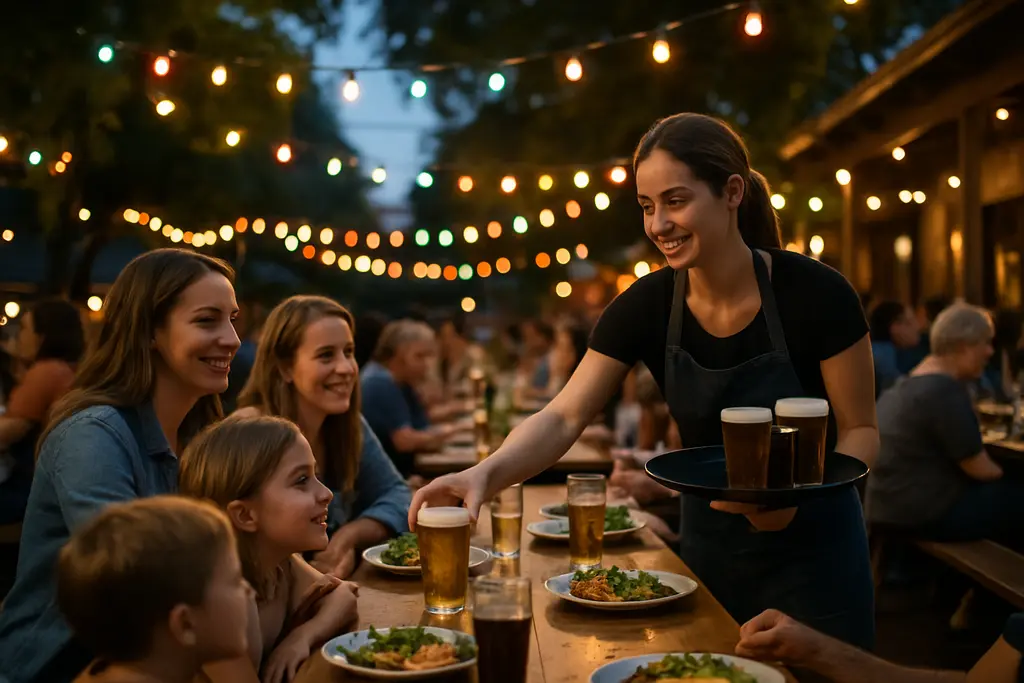
For diners who care as much about the feel of a night out as the food itself, Funwoody restaurants offer a useful case study in community-centered dining. The cluster in Dunwoody, Georgia, grew around a courtyard that had been underused, then became a shared outdoor gathering area with live music, decorative tree lighting, patios, wide seating, and a 12-by-6-foot LED screen, according to The Aha! Connection. That kind of setup gives diners more than a single table; it gives them choices about pace, noise level, fresh air, and how long they want to linger.
As someone who spends a lot of time thinking about café rooms, coffee counters, and the small design decisions that make people stay for a second cup, I find this model worth watching. A good dining district does not rely only on one kitchen. It needs sightlines, seating, easy movement between stops, and enough variety for different ages and moods. Dunwoody’s courtyard-centered approach puts those pieces close together, which is helpful for guests planning a casual evening without turning dinner into a logistical puzzle.
How Funwoody Restaurants Built A Shared Gathering Place
Funwoody Restaurants Began With The Courtyard
The core idea behind the project was not simply to open several restaurants near each other. Research notes identify restaurateur David Abes and DASH Hospitality as the driving force behind a 2019 effort to revitalize Dunwoody Village by centering distinct dining concepts around the same courtyard. That matters because the ambience comes from the relationship between the restaurants as much as from any one dining room.
For guests, this creates a different kind of visit. Instead of choosing one isolated storefront and leaving after the check arrives, people can treat the courtyard as a flexible base. They might arrive early, sit outdoors, move inside for a drink, cross to another concept for dinner, and stay for music or dessert. That sequence is practical for families, friend groups, and couples who do not all want the same thing at the same moment.
From a dining-culture point of view, the shared space does some of the work that a town square or café plaza often does. It offers a visible place to meet. It lets guests see whether a room feels quiet, festive, full, or relaxed before choosing where to settle. It also supports quick changes in plans, which is valuable in a group setting.
Why The Atmosphere Feels Designed For Repeat Visits
The details listed in the research point toward repeat use rather than one-time novelty: patios, wide outdoor seating, live music, decorative lighting, and a large screen. Each detail supports a different style of visit. Outdoor seating helps guests who want a more open setting. Lighting makes evening visits feel intentional. Music and screen-based programming can give people a reason to stay after eating.
That repeat-visit logic is familiar to anyone who studies strong café blocks. The spaces that last are often the ones where guests can use them in more than one way: a fast stop, a slow meal, a meet-up spot, a post-work drink, or a family-friendly dessert run. Funwoody restaurants appear to lean into that range by grouping complementary concepts close to one another.
What Diners Should Expect Before Booking
Indoor-Outdoor Dining Is Part Of The Appeal
Bar{n} Booze {n} Bites was the first Funwoody concept, opening in November 2021, and it has been described as a casual indoor-outdoor gathering spot with wine and whiskey offerings and a “Cheers-like” bar experience by Rough Draft Atlanta. That detail gives diners a practical expectation: the atmosphere is social and neighborhood-driven, not limited to formal sit-down dining.
For a guest planning a first visit, that means checking the purpose of the outing before choosing a time. If the goal is a quiet conversation, an earlier arrival may make sense. If the goal is a livelier courtyard experience, a night with music or communal programming may fit better. The research notes mention live concerts, watch parties, trivia, and line dancing as types of events associated with the outdoor courtyard, so the mood can vary depending on the calendar.
Because the cluster includes outdoor and patio-centered experiences, diners should also think about weather, seating preference, and mobility needs. A courtyard can be wonderfully flexible, but it rewards planning. Guests who know they want covered seating, a lower-noise corner, or a specific dining room should confirm details directly with the restaurant before going.
Plan The Night In Stages
The five-concept setup allows an evening to unfold in stages. Research notes describe a cluster where guests can begin with a bar stop, move to dinner, and then finish with dessert without leaving the area. That is one of the clearest practical advantages of Funwoody restaurants: the night does not have to depend on a single reservation or a single menu.
For families, the staged approach can reduce friction. Adults may want a sit-down meal, children may care most about dessert, and a larger group may want a place to gather before everyone is ready to eat. Good Vibes: Ice Cream & Soda Pop, noted in the research as a spring 2025 addition, adds an intergenerational draw to the mix. Message in a Bottle, described as a late-2023 coastal or seaside-inspired restaurant, brings another mood into the cluster. Those details show how ambience can come from variety, not just décor.
- Check each restaurant’s current reservation process before choosing a time.
- Look for event details if noise level or seating style matters to your group.
- Decide whether the night is drink-first, dinner-first, or dessert-first.
- Ask about patio availability if outdoor seating is the main reason for visiting.
That same planning mindset applies well beyond Georgia. Readers comparing dining districts in other communities can also browse De Novo Montclair for another restaurant-focused point of reference within this publishing network.
The Role Of Live Music And Social Programming
Entertainment Extends The Dinner Window
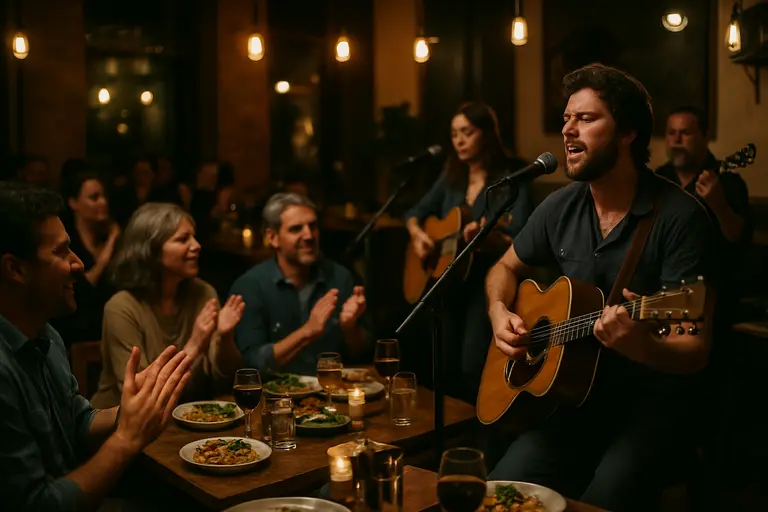
Dining clusters become more useful when they give guests a reason to stay after the last bite. The research notes say Morty’s Meat & Supply opened in December 2022 with Southern barbecue and New York deli influences, and that its building expanded in 2026 with the addition of the Smokehouse Stage for dueling-pianos performances on Wednesdays through Saturdays. The notes also state many shows sell out in advance.
That shift is important for ambience. A restaurant with regular entertainment functions differently from a dining room built only around table turnover. Guests may plan the evening around a performance, arrive earlier for food, and remain on-site afterward. For nearby restaurants in the same cluster, that can create a stronger shared evening rhythm.
For diners, the key is to treat performance nights differently from casual drop-ins. If a show is reservation-only, as the research notes indicate for dueling pianos at the Smokehouse Stage, spontaneous plans may not work. Guests should verify availability, timing, and seating rules with the restaurant before committing the evening to that format.
Community Events Give The Courtyard A Public Feel
The research notes also point to communal events, including Green Eggs & Kegs, an annual outdoor food and brewery festival that has drawn more than 2,500 people in recent years and raised more than $10,000 for Type 1 diabetes research. Events of that size change how a restaurant cluster is perceived. It becomes not only a place to eat but also a place where residents gather around shared causes, seasonal programming, and neighborhood rituals.
For atmosphere-focused diners, that public feel can be a strength or a reason to choose timing carefully. Some guests love a packed courtyard with music and groups moving between patios. Others prefer a slower dinner where conversation carries easily. Neither preference is wrong. The practical move is to match the visit to the programming.
This is where Funwoody restaurants provide a useful lesson for other dining areas: ambience is not just furniture, lighting, or menu style. It is the pattern of use. A courtyard that hosts music, festivals, casual dinners, drinks, and dessert runs becomes familiar to residents because it serves multiple parts of the week.
Community-Centric Dining Lessons From Funwoody Restaurants
The most useful takeaway from Funwoody restaurants is that restaurant atmosphere can be shared across a district. A single operator or group can shape a night out by thinking beyond the four walls of each concept. In Dunwoody Village, the research shows a focus on patios, event programming, outdoor seating, lighting, screens, and a mix of concepts that support different guests at different points in the evening.
For diners, the advice is simple: plan around the experience you want, not just the cuisine. If you want a social night, look for event programming and patio activity. If you want a steadier dinner, confirm reservation details and ask about seating. If your group includes different ages or appetites, use the cluster format to your advantage by spacing out drinks, dinner, and dessert.
For restaurant watchers in the Hudson Valley and beyond, Dunwoody’s model is worth studying because it shows how suburban dining can become more walkable and social when multiple concepts face a shared gathering area. The food still has to matter, but the setting gives people a reason to return. In that sense, Funwoody restaurants are not just filling tables; they are showing how atmosphere can help a dining district feel like a neighborhood habit.