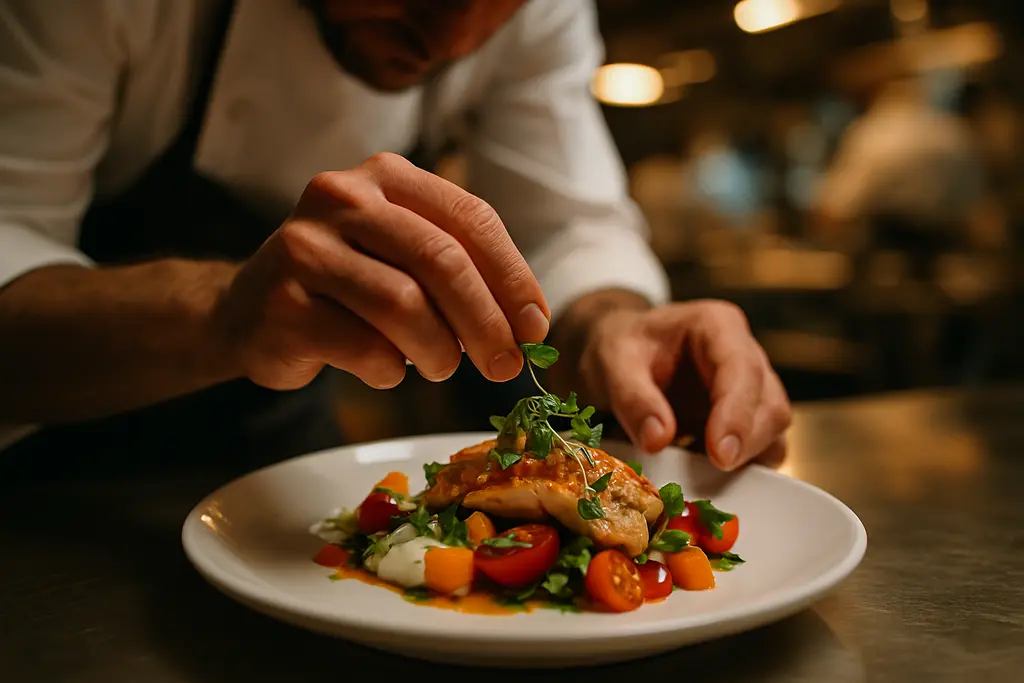
Menu Price Increases and Signature Dishes
For Hudson Valley diners, menu price increases are no longer just a small note at the bottom of a bill. They shape how restaurants price a brunch plate, whether a signature burger stays on the menu, and how diners decide where a meal feels worth the spend. The good news: a little context can make the next reservation, cafe stop, or chef-booked dinner easier to read.
Prices are moving for reasons that are bigger than one dining room. As of August 2026, full-service restaurant menu prices were 3.5% higher than in August 2025, while limited-service restaurant prices were up 3.2%, according to the National Restaurant Association. The same data placed Northeast menu price growth at 3.5% year over year in August 2026. For diners in towns from Kingston to Beacon to Poughkeepsie, that means price changes may show up across both sit-down meals and quicker counter-service orders.
Why Menu Price Increases Reach Signature Dishes
Signature dishes often carry the clearest signs of pricing pressure because they are built around recognizable ingredients. A restaurant may be known for a short rib entree, a tomato-forward pasta, a breakfast sandwich, or a coffee drink. If a key ingredient rises in cost, the dish becomes harder to hold at the same price without changing something else.
Menu Price Increases And Ingredient Pressure
The pressure is especially visible when one ingredient anchors a dish. The Associated Press reported in 2026 that tomatoes had become a symbol of the affordability squeeze, with tomato prices up about 40% year over year and ground beef up about 79% since 2019, as described by AP reporting. A cafe that uses tomatoes in sandwiches, shakshuka, salads, or sauces may have fewer easy substitutions than a menu section built from more flexible pantry items. A pub known for beef-heavy plates faces a similar challenge if that protein defines the order.
That does not mean every higher-priced dish is overpriced. It means diners should look for signals. Is the dish still built around the same centerpiece ingredient? Did the portion change? Did a side become optional? Did the restaurant add a market-price note? These details help guests separate a normal price update from a menu that no longer matches their expectations.
What A Signature Dish Can Tell You
A signature dish is often the plate a restaurant most wants you to remember. Because of that, many kitchens may protect it by adjusting nearby items first, simplifying garnish, changing side dishes, or trimming the number of choices on the menu. Diners cannot know the kitchen’s full cost structure from the table, but they can notice whether a dish still feels intentional.
For example, a brunch special with eggs, beef, tomatoes, or coffee service built into the meal may feel different from a pastry and drip coffee order. That is not a value judgment. It is a reminder that some familiar orders depend on ingredients that have drawn pricing attention in recent data. Hudson Valley diners who care about value can compare the whole plate: ingredient quality, portion size, service format, setting, and whether the dish is difficult to make at home.
How Diners Can Read Price Changes Before Booking
The most practical move is to check a current menu before leaving home. Restaurants sometimes update prices on their own websites, reservation pages, or online ordering systems at different speeds. If the listed menu includes a date, treat that as helpful context. If it does not, a polite phone call can clear up whether prices have changed.
- Ask whether the online menu reflects the current dining-room menu.
- Check whether sides, bread, coffee refills, or sauces are included or separate.
- Look for portion clues, such as small plate, shareable, half order, or market price.
- Compare prix fixe meals with a la carte ordering if both are offered.
- For group meals, ask about service charges, deposits, and cancellation terms before booking.
These questions are not about challenging a restaurant. They are about avoiding surprises. A clear price helps diners relax, and it helps restaurants serve guests who understand what they are ordering. That matters in the Hudson Valley, where a meal might be part of a day trip, a family brunch, or a special dinner planned weeks in advance.
Questions That Keep The Meal Practical
Before booking, diners can ask simple questions that leave room for hospitality. “Is the menu online current?” is better than asking why something costs more. “Does the entree include a side?” is more useful than guessing from old photos. “Is the tasting menu the only option on Saturday?” can prevent confusion for a mixed group.
If a favorite dish has become more expensive, consider whether the restaurant offers a bar menu, lunch version, smaller portion, or weekday special. For more regional thinking on price-conscious choices, our piece on value dining looks at how diners weighed specials, portions, and familiar dishes during summer 2026.
Where Personal Dining Fits The Same Pricing Conversation

Restaurant dining is not the only format affected by ingredient costs. Private dinners, small catered gatherings, and personal-chef meals also depend on menu design, shopping needs, service time, and guest count. A chef preparing a tomato-heavy pasta dinner or a beef-centered birthday meal still has to price around the ingredients that define the menu.
That makes written expectations especially useful. If you are comparing a restaurant reservation with an at-home meal, ask what is included: menu planning, shopping, cooking, cleanup, travel, rentals, and gratuity. A price that first looks higher may include service details that a restaurant check separates out. A lower quote may be narrower in scope. Neither is automatically better; the fit depends on the occasion.
Readers looking to explore more about customized dining experiences might find the Personal Chef Mall, a related site in the same network, to be a helpful resource. It provides context on how personal-chef services can be tailored to meet specific needs. The same diner mindset applies: read the menu closely, ask direct questions, and confirm the details before committing.
How To Compare Restaurants And Chef Services
For a restaurant, the menu price usually reflects the dish, the dining room, staff, and the restaurant’s operating model. For a personal-chef booking, the quote may reflect planning time and a more private format. Diners should compare the full experience rather than matching one entree price against one per-person chef quote.
Groups should also be clear about substitutions. If one guest wants a different protein or a tomato-free version of a dish, that may affect planning. The cleanest approach is to share allergies, dislikes, guest count, timing, and budget early. That gives the restaurant or chef a fair chance to suggest a menu that works.
Menu Price Increases For Hudson Valley Diners
Menu price increases do not have to take the joy out of eating well. They do ask diners to pay closer attention. In the Hudson Valley, where casual cafes, farm-adjacent restaurants, bakeries, and special-occasion dining all sit close together, value can look different from one meal to the next.
A diner looking for a relaxed breakfast may care most about coffee quality, seating comfort, and whether a sandwich is filling. A couple booking dinner may care about service pacing and whether the signature dish still feels special. A family planning a birthday meal may care about clear pricing before everyone arrives. Each situation deserves a slightly different read.
The best practical habit is to treat the menu as a current conversation, not a fixed promise from the past. Check the latest version, ask about included items, and judge the plate in front of you by its full value: flavor, portion, care, setting, and service. With that approach, menu price increases become easier to understand, and Hudson Valley diners can keep supporting the meals that still feel worth gathering around.