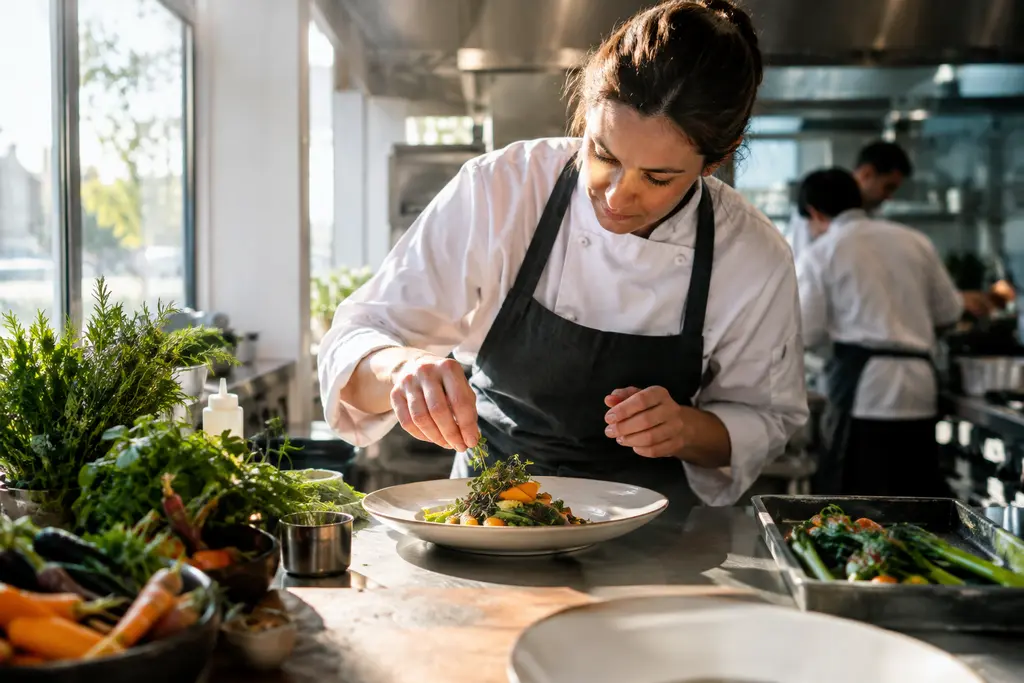
Local Sourcing Menus Shape Fall Dining Choices
Local Sourcing Menus have become one of the clearest signals that a restaurant is paying attention to season, place, and community. In February 2026, the National Restaurant Association ranked local sourcing as the No. 1 overall trend for U.S. restaurant menus in its 2026 culinary forecast, describing it as a way for restaurants to feature nearby farms and producers while emphasizing freshness, sustainability, and community ties culinary forecast. For Hudson Valley diners, that national shift feels familiar: fall menus often invite better questions about apples, squash, greens, mushrooms, grains, cider, dairy, and the farms behind them.
Seasonal dining is not just a chef phrase printed at the top of a menu. It affects what a kitchen can offer, how often specials change, and what diners should confirm before reserving a table. A fall dish may be built around a crop at its best moment, but a restaurant may still mix regional, national, and imported ingredients based on cost, availability, kitchen style, and volume. The practical move is not to assume. Ask what is local, what is seasonal, and what is simply fall-inspired.
Why Local Sourcing Menus Lead Fall Dining
Fall is especially friendly to sourcing conversations because ingredients are visible and easy to recognize. Diners understand the appeal of roasted squash, hearty greens, apples, pears, cider reductions, mushrooms, potatoes, and late-season herbs. These items can anchor signature dishes without needing a long explanation from the kitchen. A restaurant that names a farm or region gives diners a stronger clue about how the dish was planned.
How Local Sourcing Menus Signal Freshness
The clearest menu language is specific. A phrase such as “local vegetables” may sound promising, but it does not tell diners much. A stronger menu note might name a nearby farm, a county, or a producer category, such as an orchard, dairy, grain mill, or mushroom grower. That kind of detail does not guarantee every ingredient came from down the road, but it does give servers and diners a shared starting point for a better conversation.
Local Sourcing Menus also help restaurants explain why a dish may change from week to week. If a kitchen depends on small farms, the exact greens in a salad or the squash used in a soup may shift based on harvest timing. Diners who value that style of cooking should be ready for small changes. Rather than seeing a substitution as a problem, it can be a sign that the kitchen is cooking with what is actually available.
What Seasonal Signals Tell Diners
National data suggests that fall remains a major part of seasonal restaurant planning. Tastewise reported in July 2026 that autumn accounted for 20.0% of seasonal signals across the U.S. hospitality sector, the largest single seasonal indicator in its data, though down 8.6% from the same period in 2025. The same report counted 406,140 seasonal dishes across 101,680 restaurants and linked local sourcing with consumer demand for seasonal produce seasonal food data.
Autumn Ingredients With Practical Clues
For diners, those numbers matter less than what they reveal at the table. Fall seasonal language is common, but not all seasonal menus are equally transparent. A dish can taste autumnal because it uses pumpkin, maple, warm spices, roasted roots, or apple. That does not automatically mean the ingredients are local. If local sourcing is part of your dining choice, look for farm names, regional terms, or a server who can answer plainly.
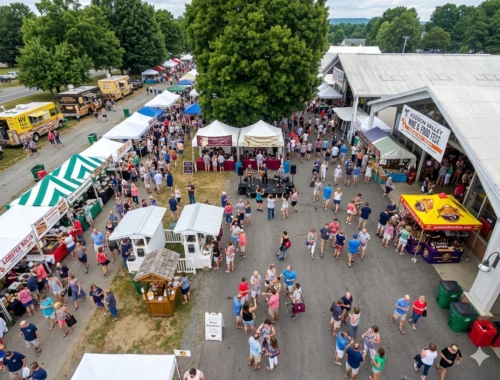
Hudson Valley diners have an advantage because the region has strong public familiarity with orchards, farmers markets, cideries, and farm stands. That familiarity makes it easier to read a menu with care. If a restaurant lists apples in a pork dish, squash in a pasta, or mushrooms in a brunch plate, a diner can ask whether those ingredients came from regional producers or were selected because they matched the season. Neither answer is automatically wrong. The value is in knowing what you are ordering.
How To Read A Fall Menu Before Booking
A little planning can make a seasonal dinner more satisfying, especially if you are booking for a birthday, visiting relatives, or a weekend trip through the Hudson Valley. Menus posted online may lag behind what the kitchen is serving that evening. Fall crops can move quickly, and restaurants may adjust dishes based on delivery schedules or sell-through from prior services.
Before booking, scan the menu for three types of wording: named farms, regional descriptions, and flexible seasonal phrasing. Named farms offer the most detail. Regional descriptions, such as Hudson Valley produce or New York dairy, provide some context. Flexible phrasing, such as seasonal vegetables, is useful but worth a follow-up question if sourcing matters to your group.
- Ask whether the posted fall menu is still current for the date you want to visit.
- Ask which dishes feature local produce or local proteins, if any.
- Ask whether substitutions are common because of farm availability.
- Ask if the kitchen can point out the most seasonal dish on the menu that night.
- Ask about reservation timing if you want a limited seasonal special, since some dishes may sell out.
If you enjoy tracking seasonal patterns, this related piece on local seasonal dining habits offers more practical ways to read Hudson Valley menus before you choose a table.
Personal-Chef Lessons From Restaurant Sourcing
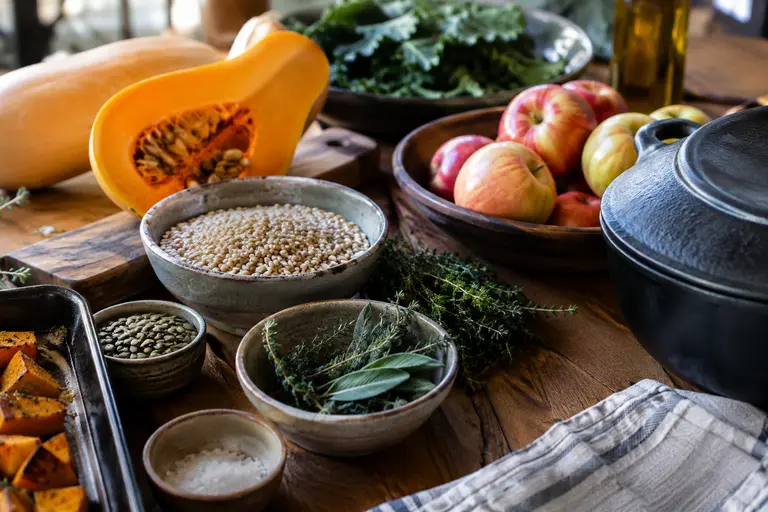
Restaurant trends can also help home hosts think more clearly about private dinners. A personal chef planning a fall meal may face the same basic questions as a restaurant kitchen: what is available, what travels well, what fits the budget, and which ingredients deserve to be named on the menu. For readers planning a dinner at home, exploring personal chef planning resources can help frame the questions to ask before hiring someone.
Questions To Ask Before A Private Fall Dinner
Start by asking how the chef defines local. Some chefs may mean within a county, while others may mean within the state or region. Ask whether local sourcing changes the price, whether the menu can flex if a crop is unavailable, and whether the chef has preferred farms or markets. A careful answer is better than a sweeping promise.
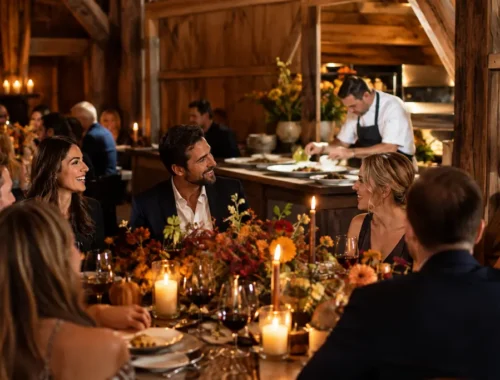
Local Sourcing Menus in private dining do not need to mimic a restaurant tasting menu. A family-style dinner with roasted vegetables, a grain salad, orchard fruit dessert, and a well-sourced main dish can communicate seasonality clearly. The point is not to make the menu sound fancy. The point is to match expectations with what the chef can actually buy and cook for your date.
Local Sourcing Menus For Hudson Valley Diners
Local Sourcing Menus work best when restaurants and diners treat them as a conversation, not a marketing slogan. A fall menu can celebrate the season through local ingredients, regional ingredients, or familiar autumn flavors. Those are different ideas, and diners deserve to know which one is on the plate.
For Hudson Valley food lovers, the smartest approach is curious and practical. Read the menu closely, ask one or two clear questions, and stay open to changes driven by harvest timing. If a restaurant can explain what came from nearby producers, that detail adds meaning to the meal. If it cannot, the dish may still be enjoyable, but you will understand the sourcing claim more accurately. That kind of careful reading supports better dining decisions across cafes, brunch spots, farm-focused restaurants, and special-occasion tables throughout the region.