Bon Ami pop-up Dinner Atmosphere in Concord
For Hudson Valley diners who watch the New England food scene for ideas, the Bon Ami pop-up in Concord, Massachusetts, offers a useful case study in how atmosphere can shape a meal before the first plate lands. Bon Ami was launched in January 2023 as an invite-only supper club by husband-and-wife team Gavin Lambert and Rachel Amiralian, with events held at 80 Thoreau in Concord on Monday nights, according to a Massachusetts Business Network report. The format centers on a five-course prix fixe tasting menu with optional wine and beverage pairings.
That structure matters because pop-up dinners often ask guests to give up some of the usual restaurant habits: ordering à la carte, controlling the pace, and sitting only with their own party. Bon Ami’s model points the other way. It uses a set menu, communal energy, and a limited-room feel to make dinner more social. For café regulars, supper-club fans, and Hudson Valley hosts thinking about chef-led events, there is a practical lesson here: ambience is not decoration alone. It is timing, seating, service rhythm, sound level, and the small cues that tell guests whether to relax or retreat.
Why The Bon Ami pop-up Feels Different
House-Party Cues Instead Of Restaurant Distance
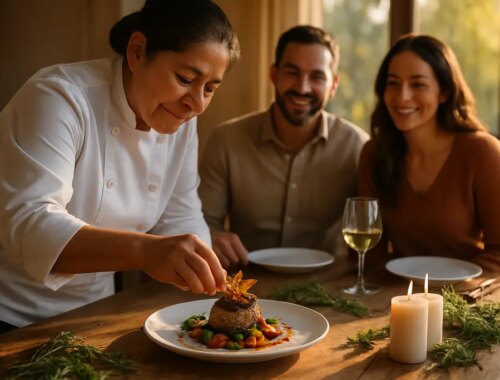
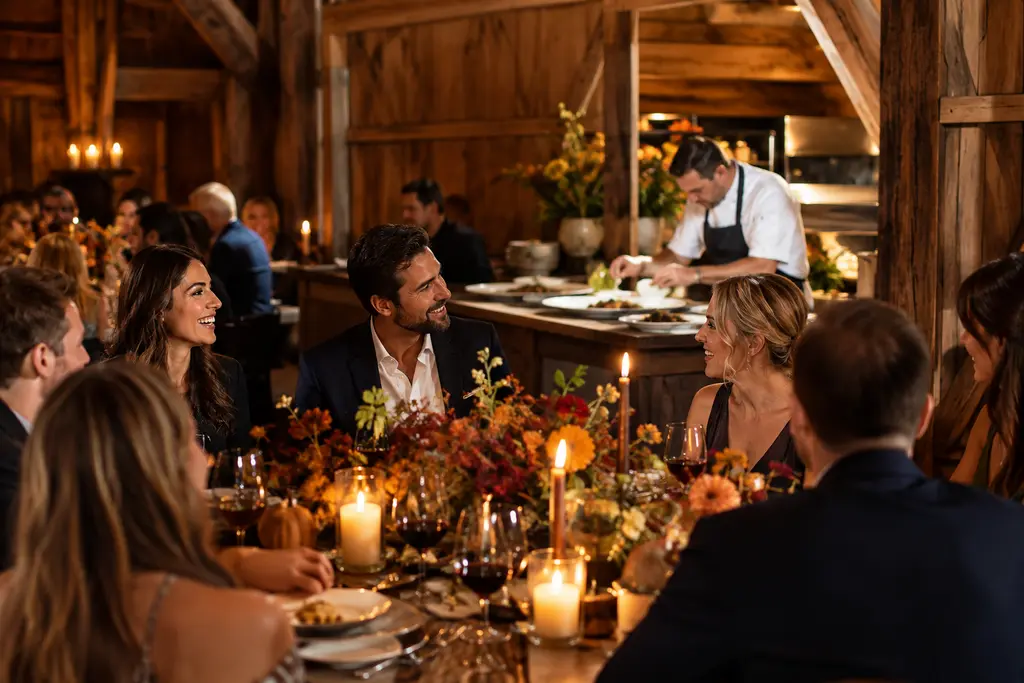
The Boston Globe described Bon Ami as having a house-party vibe, with communal seating, guest interaction, and playful touches such as a “daquiri timeout” woven into the evening Boston Globe feature. That detail says a lot about the intent. A standard tasting menu can feel formal if the room stays quiet and servers keep a strict distance. Here, the reported mood leans toward a dinner among friends, even though the food follows a structured tasting format.
For diners, that means the booking decision is partly social. If you enjoy chatting with neighboring guests, hearing the room react to a dish, and letting the evening have a few unscripted moments, this type of supper club can feel generous. If you prefer a private table and low interruption, a communal pop-up may feel less comfortable. Neither preference is wrong. The practical move is to understand the room before booking, not after sitting down.
Bon Ami pop-up Seating And Pace
Earlier in Bon Ami’s run, one Concord event reportedly sold out around 45 guests. That size is small enough to feel contained but large enough for energy to build across the room. The Bon Ami pop-up format depends on that balance. A tight guest count can help a host manage pacing, introductions, beverage service, and course transitions without creating the feeling of a large banquet.
The five-course format also gives the evening a clear arc. Guests arrive, settle in, move through multiple plates, and make decisions about beverage pairings before or during service. In the research notes, historic pricing was around $125 per person for recent past events, including a welcome drink, five courses, and playful interludes; a vegetarian option was listed around $115, while wine add-ons were approximately $55. Those figures are past examples, not a promise of future pricing.
What Diners Should Check Before Booking
Dates, Fees, And What Has Already Passed
Temporal accuracy matters with pop-ups because dates move quickly. The research notes list themed fall dinners on Monday, October 12, 2026, and Monday, October 19, 2026, with doors at 6:00 p.m. and dinner at 6:30 p.m. As of October 27, 2026, both dates had already passed. Diners should treat those events as past examples of the format, not available reservations.
The same notes list the October 2026 price at $160 per person, with an optional wine pairing for an added $45 and a 20 percent service fee in place of traditional gratuity. That fee structure is worth noticing. A service fee can make the final cost clearer if diners read the details before paying, but it can surprise anyone who only looks at the base ticket price. For any future dinner, guests should confirm the total per person, beverage options, tax treatment if stated, and cancellation policy before committing.
- Ask whether seating is communal, assigned, or flexible for small parties.
- Confirm whether beverage pairings are optional and whether nonalcoholic pairings are offered.
- Check the full ticket cost, including service fees, before comparing it with a restaurant tasting menu.
- Ask how dietary requests are handled, especially if the menu is fixed.
Seasonality Without Guesswork
The research notes say recent fall dinners leaned into seasonal cooking, including an item described as pumpkin spice brisket among other autumnal dishes. That kind of menu detail helps diners decide whether a themed dinner fits their tastes. It also shows why pop-ups can feel different from a standing restaurant menu. A temporary event can focus tightly on one season, one mood, or one host idea.
For Hudson Valley readers, the parallel is clear. Our region’s cafés, cideries, and chef-led dinners often build menus around orchard fruit, dairy, grains, mushrooms, or cold-weather comfort. The key is not simply naming local ingredients. It is matching the room, season, and service style so the meal feels coherent. Readers interested in how room cues shape guest expectations may also find this related note on experience-driven dining useful before choosing a special event meal.
Hudson Valley Lessons From Concord
Ingredient Sourcing As Part Of Atmosphere
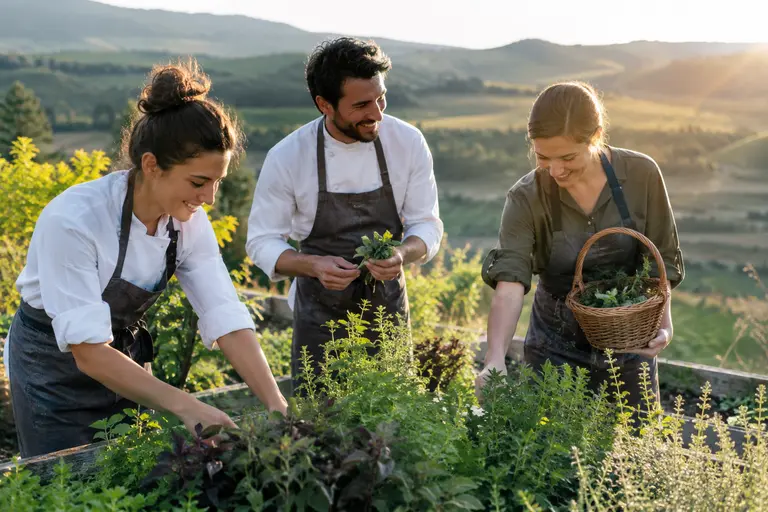
Bon Ami’s sourcing, as reported, includes seafood from Boston’s wholesale fish pier, produce from regional growers including Applefield Farm, and meat and poultry from farms practicing regenerative agriculture. Those choices are food facts, but they also shape ambience. A dinner built around regional supply can feel more connected to place, especially when the host explains enough for guests to understand why a dish is on the table.
Hudson Valley diners can borrow that question for any supper club or private meal: what is the event trying to express through sourcing? The answer does not need to be long or poetic. Clear sourcing notes, a short welcome, or a printed menu can help guests connect the food to the evening. The danger is overpromising. If a host cannot verify a farm, fishery, or producer, it is better to keep the wording simple.
Private Meals And Pop-Up Thinking
The supper-club idea also overlaps with private dining at home. A host planning an anniversary dinner, a milestone birthday, or a small neighborhood gathering may not need a restaurant buyout to create a memorable table. The questions are similar: how many guests, what pacing, how much interaction, what beverage plan, and what final cost? For readers comparing event formats beyond restaurants, planning notes from Personal Chef Mall can be a useful starting point in the same dining network.
The most practical lesson is that intimacy must be planned. Communal seating can encourage conversation, but only if the room is comfortable. A fixed menu can reduce decision fatigue, but only if guests understand the format before arriving. Playful service touches can warm up the room, but they should support the meal rather than distract from it.
Bon Ami pop-up Takeaways For Diners
The Bon Ami pop-up shows how a dinner event can use a small guest count, a five-course menu, Monday-night timing, and social seating to create a clear point of view. It is not just a restaurant meal in a different calendar slot. It is a hosted experience where the atmosphere is part of the ticket.
For Hudson Valley diners watching Concord from a distance, the takeaway is practical: read the event details like you would read a menu. Look for seating style, total price, beverage choices, dietary flexibility, timing, and whether the event has already taken place. If those pieces match your comfort level, a supper-club dinner can offer the kind of shared-table warmth that many cafés and small dining rooms try to cultivate every night.