Fall Signature Dishes NYC Diners Can Study
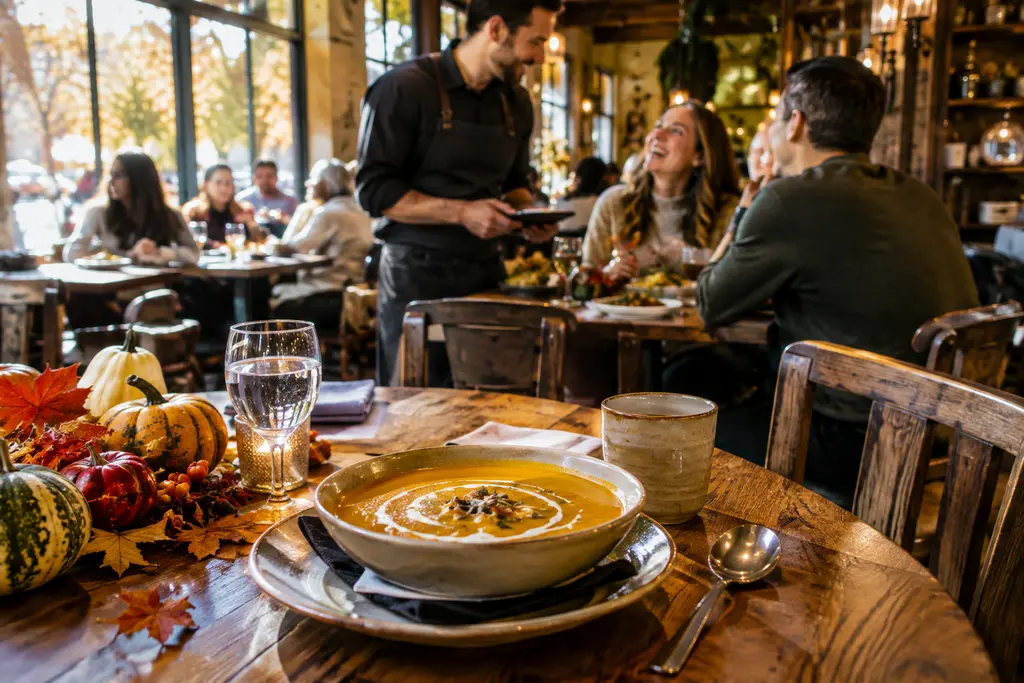
Fall Signature Dishes can teach Hudson Valley diners a lot, even when the plates are coming out of New York City kitchens. The latest fall 2026 notes from NYC restaurants show chefs leaning into lamb, caviar, wood-fired cooking, bitter greens, turnips, stone fruit, and slow-cooked sauces. For diners north of the city, the useful question is not whether to chase every dish, but how to read these menu choices before booking a table closer to home.
As of October 31, 2026, the dishes below are best understood as a seasonal menu snapshot, not a claim about fixed hours, permanent pricing, or guaranteed availability. Menus change quickly, especially around fall produce. Before planning a meal, confirm the restaurant’s current menu and reservation details through the restaurant or its reservation platform.
Fall Signature Dishes Set The Seasonal Tone
Several of the reported dishes share a clear fall pattern: richer proteins, grilled or wood-fired technique, sharper condiments, and vegetables that can handle deeper sauces. That is useful for anyone who follows Hudson Valley dining, where seasonal menu changes often show up first in specials, tasting menus, and one or two high-attention plates.
Fall Signature Dishes Worth Reading Closely
LIBA in Williamsburg opened at The William Vale in Brooklyn in August 2026, according to BroadwayWorld’s opening report. The research notes identify its Kebab Napoleon as a signature dish: layers of traditional kebab made with lamb fat and beef chuck, grilled on a hot steel skewer, de-skewered tableside, and served over tahini with lemony bitter greens. That combination gives diners several clues at once: fat, char, acidity, greens, and tableside service all work together to make the dish memorable.
The same LIBA notes point to brick-oven bread baked in an 800-degree brick oven, served with olive oil “butter,” Egyptian dukkah, and grilled peppers. Bread can be easy to treat as a side, but here it functions as a signature signal. A kitchen that leads with bread, heat, spice, and condiments is telling diners to pay attention to texture and the opening rhythm of the meal.
Caviar, Tilefish, And The Seafood Tavern Mood
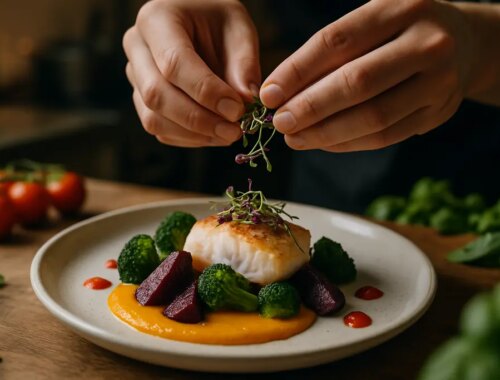
Capitaine opened in the West Village on June 19, 2026, and early coverage highlighted a milk-bread caviar sandwich inspired by a version once served at Grand Central Oyster Bar, according to Eater NY’s opening coverage. The research notes also describe tilefish with bottarga butter, spinach, and roasted turnip as a seasonal flagship dish. Those two plates show different ways to build impact: one through a compact luxury sandwich, the other through fish, bitter greens, root vegetables, and a savory butter.
The strongest Fall Signature Dishes are rarely just about one premium ingredient. The caviar sandwich stands out because milk bread softens and frames the caviar. Tilefish with bottarga butter works differently, using salinity and roasted turnip to make the fish feel suited to colder-weather eating. For Hudson Valley diners, that is a practical lesson: ask how a signature plate is constructed, not only what the main ingredient is.
What These Menus Show For Hudson Valley Diners
NYC menu updates can be helpful without becoming a checklist. Hudson Valley restaurants work with different dining rooms, farms, guest patterns, and price pressures. Still, the same seasonal logic often applies. A fall menu with lamb, bitter greens, roasted vegetables, preserved condiments, or slower-cooked sauces is usually asking diners to expect more depth than a summer menu built around quick brightness.
Lamb, Pork, And Wood-Fired Technique
The research notes identify several Massara dishes in Flatiron that fit this colder-weather rhythm. Rack of lamb with eggplant agrodolce and pesto appears on its dinner menu, using wood-fired cooking rooted in Southern Italian tradition. Braciola di Maiale, described as pork chop with pickled mustard seeds and stone fruit, puts savory meat next to acidity and fruit. Those are the kinds of pairings diners can look for across fall menus: meat with something sharp, sweet, or pickled to keep the plate from feeling heavy.
Massara’s reported pasta dishes follow the same idea through sauce and shape. Candele with ragù Genovese and parmigiano, plus cavatelli verde with braised lamb sausage ragù and pecorino, lean into hearty meats and slower cooking. A diner does not need to know every pasta shape to order well. It is enough to ask whether the dish is built around long-cooked sauce, grilled flavor, cheese, or a brighter finishing element.
Clay Pots, Flatbread, And Shared Plates
Frena in Hell’s Kitchen is represented in the research notes by Lamb Terra Cotta, Colorado lamb kebabs cooked in a clay pot with a flatbread top and served with seasonal vegetables. That dish points to another fall-friendly format: a centerpiece plate that brings aroma, bread, meat, and vegetables into one shared experience. For groups, this type of dish can shape the whole order. You may want fewer heavy starters if the main plate already includes bread and vegetables.
Massara’s wood-fired pizzette also fit the transition from summer into fall. The research notes mention a crudo version with stracciatella and prosciutto, plus a cheese-free montanara with anchovies and capers. Those toppings do not read as plain comfort food. They bring salt, fat, and contrast, which can be especially useful early in a meal before deeper meat or pasta dishes arrive.
How To Read Fall Menus Before Booking
For Hudson Valley diners, Fall Signature Dishes are most useful as decision tools. If a menu lists a seasonal centerpiece, look at the supporting ingredients. Turnip, bitter greens, stone fruit, pickled mustard seeds, bottarga butter, dukkah, and grilled peppers each change the way a dish eats. They can make a plate sharper, softer, smokier, or more filling.
That matters before booking because two restaurants can both advertise lamb and deliver very different meals. One may serve lamb as a grilled skewer with tahini and greens. Another may frame lamb through pasta sauce, cheese, and slower cooking. A third may present lamb in a clay pot with flatbread. None of those formats is automatically better; the right choice depends on appetite, group size, and the kind of evening you want.
- Ask whether the signature dish is a main course, a shared plate, or part of a larger tasting format.
- Check whether the seasonal element is central to the dish or mainly a garnish.
- Confirm current availability, especially for seafood, breads, specials, and dishes tied to produce.
- For groups, ask whether a centerpiece dish changes how many starters or sides you should order.
For a local lens, our guide to how seasonal menus shape Hudson Valley dining is a useful companion to this NYC snapshot. Readers interested in exploring more dining experiences in the region may want to browse De Novo Montclair, a related site in the same network.
NYC Fall Menu Update For Hudson Valley Diners
The fall 2026 NYC dishes in the research notes point to a useful dining habit: read menus through structure. A caviar sandwich is not just caviar; it is bread, salt, softness, and scale. A kebab is not just grilled meat; it can be lamb fat, beef chuck, tahini, bitter greens, lemon, heat, and tableside service. A pasta is not just pasta; it may be long-cooked ragù, cheese, and a shape chosen to hold sauce.
Treat Fall Signature Dishes as clues before you book. If the dish description shows contrast, seasonality, and a clear cooking method, it may be worth building the meal around it. If the description is thin, ask a practical question before committing. Hudson Valley diners do not need to copy NYC habits plate for plate, but they can use these examples to order with sharper attention during fall dining.