Seasonal Menus Shape Hudson Valley Dining
For Hudson Valley diners, Seasonal Menus are more than a pleasant phrase printed near the top of a dinner list. They can signal how a kitchen thinks about timing, sourcing, value, and the dishes it wants guests to remember. A plate built around local produce may change faster than a standard entrée, so the smartest approach is to read the menu with a few practical questions in mind before booking or ordering.
That matters for signature dishes because seasonality can shape what a restaurant chooses to feature. A familiar pasta, salad, tartine, soup, or coffee-paired dessert can feel different when the kitchen rotates produce, sauces, garnishes, or sides. The point is not to chase novelty for its own sake. It is to understand whether a dish reflects the moment, the room, and the ingredients available that week.
Why Seasonal Menus Matter Before Booking
National menu data shows that seasonal cooking has become a major part of restaurant planning. Tastewise reported on August 17, 2026, that it analyzed 101,680 U.S. restaurants and found 406,140 seasonal dishes across those menus, with autumn accounting for 20.0% of seasonal menu activity in 2026, the largest seasonal signal in that report Tastewise seasonal food insights. For diners in the Hudson Valley, the practical takeaway is simple: a menu that changes with the calendar is not unusual, and it may be one of the clearest ways to spot what the kitchen is emphasizing.
Seasonal Menus And Signature Dishes
A signature dish does not always need to be permanent. Sometimes the dish that says the most about a kitchen is the special that appears for a short stretch because a specific ingredient works well at that time. Seasonal Menus give chefs room to adjust a garnish, swap a vegetable, change a sauce, or build a limited plate around produce that would not make sense year-round.
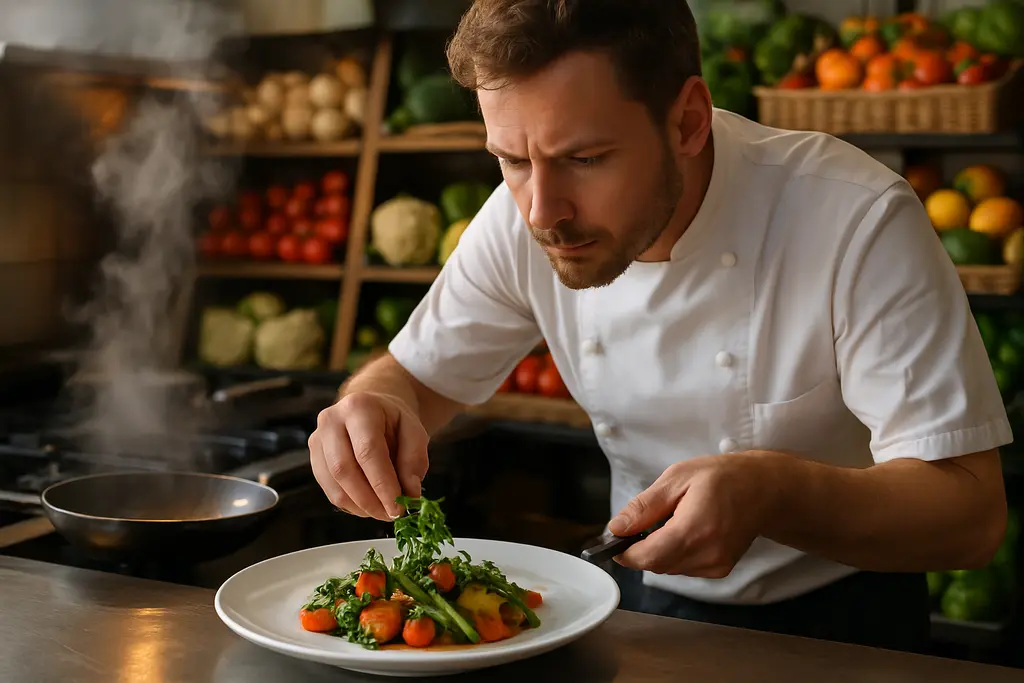
That flexibility can help diners read intent. If a restaurant lists a roasted vegetable plate with a named farm, a changing soup, or a dessert built around a short-season fruit, the dish may tell you more about the kitchen than a longer menu section filled with fixed items. If the menu does not explain the sourcing, it is fair to ask. A good question is not a challenge to the restaurant; it is a way to order with better context.
Seasonal Menus Data From 2026
The business side of dining also supports the rise of rotating dishes. Technomic reported in February 2026 that 75% of limited-service restaurants and 68% of full-service restaurants expected to keep the same number of food items as in 2025, while menu refreshes, seasonal dishes, and limited-time offers remained tools for keeping guests interested Technomic menu report. In plain terms, restaurants may not add larger menus, but they can still keep the experience fresh through specials and seasonal swaps.
This is useful before you book. If a restaurant’s public menu looks compact, that does not always mean the meal will feel limited. The more relevant question is whether the kitchen uses specials, market-driven plates, or short-run pairings. Diners who care about timing can also read our local piece on seasonal dining markets for more ways to connect menu choices with farm and market rhythms.
How Local Produce Changes The Meal
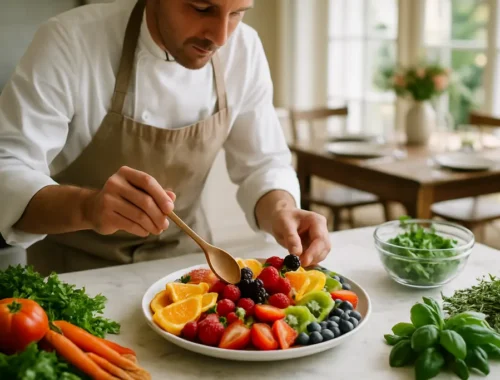
Local produce can change a dish in quiet ways. The main protein may stay the same while the vegetable, relish, puree, salad, or grain side shifts. A brunch plate might rotate fruit. A café dessert might move from a cream-heavy pastry to something sharper or warmer depending on the season. Coffee service can follow the same logic when a bakery case changes around fruit, spice, chocolate, or nut flavors that suit the time of year.
Specials, Limited Runs, And Weekend Choices
Tastewise also reported that weekend occasions rose 12.8% year over year in 2026 as moments for consumers to seek seasonal eating. That detail fits how many people actually dine: a Saturday lunch, a Sunday brunch, or a Friday dinner often carries more room for a special plate than a rushed weekday meal. If you are booking for a weekend, ask whether the restaurant runs a changing special and whether it sells out early.
For signature dishes, limited runs can be especially revealing. A restaurant might keep one core dish on the menu while changing the produce around it. That balance can satisfy regular guests who want a familiar plate and curious diners who want something tied to the week. If you are splitting dishes at the table, one steady item and one seasonal special can give a better read on the kitchen than ordering only from the permanent section.
Weather Cues On The Plate
The same Tastewise report found that hot and cold weather cues grew fastest among seasonal triggers in 2026, with hot cues up 22.2% and cold cues up 11.5%. Diners can use that clue at the table. A cool-weather menu may lean toward deeper sauces, roasted vegetables, baked desserts, or soups. A hot-weather menu may make lighter preparations, chilled dishes, or bright produce feel more natural.
This does not mean every restaurant follows the same pattern. It means weather can help you set expectations. If a menu reads heavy on a warm day, ask which dishes feel lighter. If a rainy evening makes a soup or braise sound right, ask whether the special was built for that service. Practical questions often lead to better orders.
Questions To Ask Before Ordering

Seasonal language can be useful, but only if it is specific enough to guide a choice. Some menus name farms or ingredients clearly. Others use broad terms such as local, market, harvest, or seasonal. Those words are starting points, not proof of anything on their own. Diners can stay polite while still asking for detail.
- Ask which ingredient changed most recently on the dish you are considering.
- Ask whether a special is available all night or only while supplies last.
- Ask if the produce comes from a named farm, a distributor, or a market source.
- Ask whether the kitchen recommends a different side based on that day’s prep.
- Ask which dessert pairs best with coffee if the pastry case has changed.
- Ask whether the brunch menu differs from dinner in its seasonal choices.
- Ask if the dish is new, returning, or a short-run variation of a house favorite.
Reading Menu Language Clearly
Words such as “farm,” “market,” and “seasonal” can mean different things from one dining room to another. A menu may use local produce in one dish and broader sourcing in another. That is not automatically a problem. The issue is clarity. If you care about local sourcing, ask about the specific dish rather than the whole restaurant. A server may be able to explain what changed that day, what the kitchen prepped in quantity, and what dish best reflects the current menu.
Matching The Dish To The Occasion
A tasting-style dinner, a quick café stop, and a family brunch call for different choices. If you are booking a special meal, ask about the most expressive seasonal plate. If you are stopping in for coffee and dessert, ask what changed in the bakery case. If you are dining with a group, order one familiar dish and one seasonal special so the table can compare without taking a big risk.
For readers interested in how neighboring dining communities engage with menus and restaurant culture, De Novo Montclair provides insights as a related site in the same network.
Reading Seasonal Menus In The Hudson Valley
Hudson Valley dining rewards attention to timing, especially for guests who care about signature dishes and local produce. Seasonal Menus reward diners who ask what changed, what is limited, what the kitchen is proud to serve that day, and what pairs well with coffee, wine, or a shared table. The best order is not always the rarest item. It is the dish that fits the season, the occasion, and the kitchen’s point of view.
Before booking, look for menus that explain their specials clearly, note whether the posted menu may change, and give staff enough room to answer ingredient questions. At the table, stay curious but practical. A few direct questions can turn a standard meal into a better read on the restaurant’s style, without relying on hype or guesswork.