Local Sourcing Dining and Farmers Markets
For Hudson Valley diners, local sourcing dining is not just a phrase on a menu. It affects how a room feels, how a server explains a dish, and how guests decide whether a meal is worth the reservation. A restaurant that names nearby farms, adjusts dishes around market availability, or explains why a tomato salad is only offered for a short stretch can create a stronger sense of place at the table.
The national numbers help explain why this matters close to home. In 2025, 64% of U.S. adults said locally sourced food was important when choosing a table-service restaurant; among diners who valued it, 41% said it supported farms and food producers in the community, 22% cited freshness, and 17% cited higher quality, according to the 2025 State of the Restaurant Industry report. Those figures line up with what many Hudson Valley guests already practice: they read menus for farm names, ask about seasonal specials, and treat a farmers market visit as part of the dining week.
Why Local Sourcing Dining Shapes Ambience
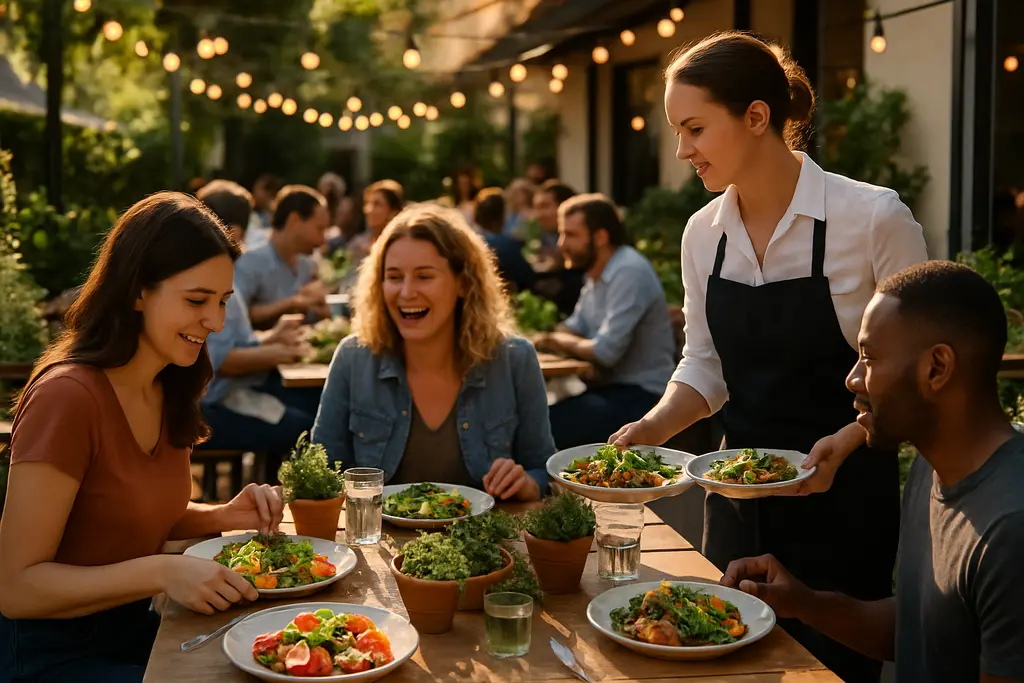
Atmosphere is often described through lighting, music, service pace, and table spacing. In the Hudson Valley, sourcing can be part of that feeling too. A dining room that connects its menu to nearby farms gives guests something to recognize before the first plate arrives. A simple phrase such as “from a nearby orchard” or “from a local dairy” can change the conversation at the table because it ties the meal to the surrounding region.
Local Sourcing Dining Signals Trust
Local sourcing dining works best when the claim is specific enough to be useful. Diners do not need a long speech, but they do benefit from clear details: the farm name, the ingredient, the reason it appears on the dish, and whether the item changes with the season. That kind of information helps separate a meaningful sourcing practice from a loose marketing phrase.
For coffee drinkers, the same idea applies in a different way. A cafe may not source coffee beans from the Hudson Valley, but it can still show care through local milk, baked goods from a nearby kitchen, or seasonal syrups made with regional fruit. The practical question is not whether every ingredient is local. It is whether the business is honest about what is local and why those choices improve the guest experience.
Community Connection At The Table
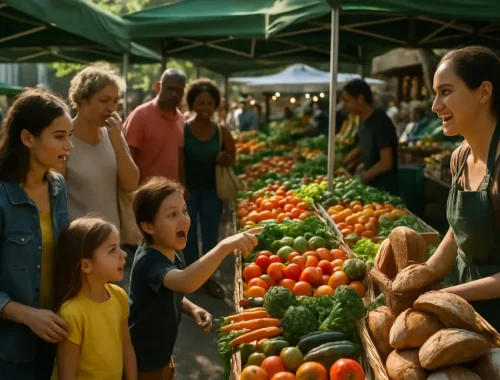
A farmers market creates a public version of the same relationship. Guests can see growers, ask about the week’s harvest, and learn which ingredients are at their peak. Later, when a restaurant menu includes those ingredients, the dining room feels less disconnected from the land around it. That sense of connection is especially useful in the Hudson Valley, where weekend travel, seasonal produce, and chef-driven menus often meet in the same reservation.
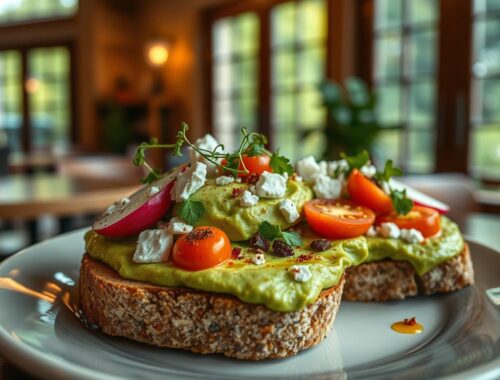
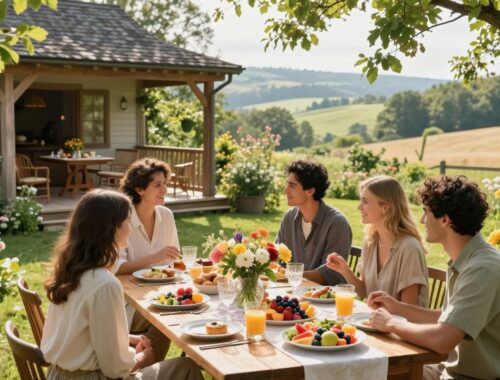
The atmosphere benefit is subtle but real for diners who value context. A salad can feel different when guests understand that a crop is short-season. A brunch plate can feel more grounded when the eggs, greens, or fruit have a clear origin. These details do not replace good cooking or warm service, but they give the meal a story diners can verify through questions rather than hype.
Farmers Markets As Dining Preparation
Engaging with farmers markets can make a restaurant visit easier to read. If you have seen piles of peaches, herbs, squash, mushrooms, or apples at a local market, you have a stronger sense of what a seasonal menu may reasonably feature. That does not mean every restaurant should serve the same dishes as the market. It means diners can approach the menu with better expectations.
A market walk can also help guests understand value. Local ingredients may cost more because of labor, smaller production scale, delivery limits, and seasonality. In a 2025 survey, 44% of consumers said they were most encouraged to visit a restaurant if it prioritized local sourcing, while 39% viewed higher cost as the biggest barrier to choosing more sustainable or locally sourced dining options, according to 2025 consumer dining trends survey. That tension matters for Hudson Valley diners: many guests want farm connections, but they still need the check to feel fair.
What To Notice Before Booking
Before reserving a table, scan the menu for sourcing language that is precise rather than vague. A good sign is a dish description that names a farm, orchard, creamery, mill, or local producer. Another useful sign is a menu that changes with the season and does not promise every ingredient all year. If a restaurant posts only a sample menu, it may be reasonable to ask what has changed that week.
For a broader local planning habit, pairing market visits with weekend dining can help. Our related piece on farmers markets brunch habits focuses on using market observations to ask better sourcing questions before booking. The same approach works for dinner, coffee dates, and casual lunches.
- Ask which farms or producers are connected to a dish, not just whether the restaurant “buys local.”
- Check whether the menu names seasonal ingredients and allows for substitutions based on availability.
- Consider whether the price reflects the sourcing claim, portion, service style, and setting.
- Notice how servers answer sourcing questions: clear, brief answers are often more useful than rehearsed language.
Booking Questions For Seasonal Menus
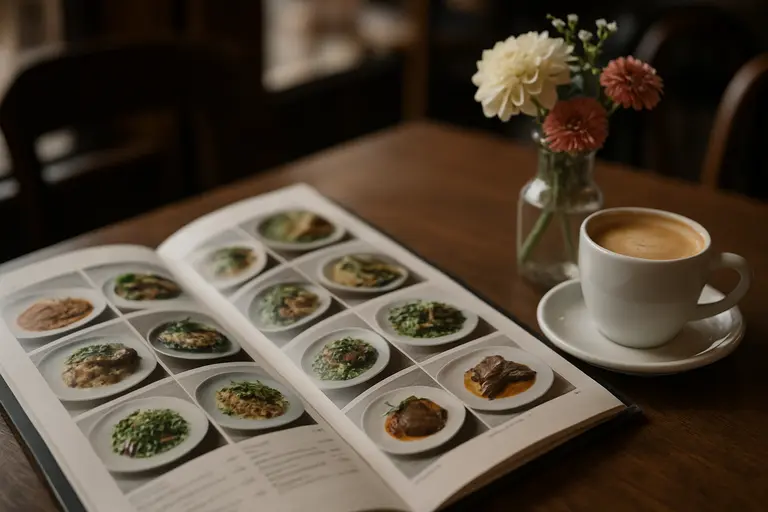
The most useful dining questions are short and respectful. A guest might ask, “Which ingredients are local on the menu tonight?” or “Does this dish change with the market?” Those questions invite a factual answer without putting the staff on the spot. They also help diners decide whether the restaurant’s sourcing priorities match the occasion.
How To Read Menu Language
Terms such as “farm-inspired,” “market-driven,” and “seasonal” can be helpful, but they are not the same as a named source. Diners should look for supporting details. If a menu lists a local farm beside a vegetable, that is clearer than a broad claim. If a server can explain what arrived that week, the sourcing statement becomes more useful.
Local sourcing dining should also leave room for practical limits. Salt, coffee, chocolate, citrus, spices, and many pantry staples may come from outside the region. A thoughtful restaurant can still support local agriculture through produce, dairy, eggs, meat, grains, beverages, or baked goods. The strongest menus do not pretend everything is nearby; they show where local choices matter most.
Value, Comfort, And Occasion
Not every meal needs a full farm story. Sometimes a diner wants a comforting bowl of soup, a reliable burger, or a quiet coffee with pastry. Local sourcing can still shape those moments if the ingredient choices are clear and the cooking respects them. In that setting, ambience comes from ease: a menu that feels connected to the region without asking guests to study it like a report.
For diners comparing food cultures outside the Hudson Valley, regional sourcing habits vary by market, restaurant type, and neighborhood. Readers who follow related dining coverage in the same network may also find useful comparisons at De Novo Montclair. The website provides a perspective on how different areas implement local sourcing, offering a chance to notice how sourcing changes the feeling of a meal in various communities.
Local Sourcing Dining In The Hudson Valley
Local sourcing dining fits naturally into Hudson Valley dining because the region gives guests many ways to connect the plate with the place. Farmers markets, orchards, small producers, cafes, and restaurants all shape how diners understand seasonality. The strongest experiences happen when those connections are clear before the reservation and honest once guests sit down.
For practical planning, start with the occasion. If you want a celebratory meal, look for menus that name producers and change with the season. If you want brunch, compare what you saw at the market with the restaurant’s specials. If you want coffee, ask whether any milk, pastries, fruit, or syrups come from nearby producers. These small questions help diners support local food systems without turning dinner into homework.
The dining room still needs good hospitality, balanced cooking, and fair value. Local ingredients do not automatically make a meal better. They do, however, give restaurants a chance to create a more grounded atmosphere and give guests a better way to judge what is on the plate. In that sense, the farmers market is not separate from the restaurant experience. It is one of the places where the meal begins.