Farmers Markets Brunch Tips for Local Diners
For Hudson Valley diners, farmers markets brunch is less about chasing a trend and more about asking smarter questions before sitting down to eggs, toast, salad greens, grains, fruit, or pastries. A market visit can teach you what is truly in season, which ingredients are showing up in quantity, and how local sourcing might shape a weekend brunch menu without relying on guesswork.
That matters because diners are not treating farmers markets as an occasional novelty. A 2025 national survey of 5,141 U.S. consumers found that 80.30% had at least some farmers market experience, meaning they attended at least once per year; the same survey reported that 41.78% attended six or more times per year and 38.51% attended five or fewer times per year, according to a national farmers market survey. Those numbers do not describe the Hudson Valley alone, but they do show that market familiarity is now common enough to influence how many diners read menus and talk with servers.
Why Farmers Markets Brunch Matters Now
Brunch sits in a practical sweet spot for local ingredients. The meal often depends on produce, dairy, baked goods, grains, herbs, preserves, and beverages rather than one single centerpiece. That gives diners several entry points for learning about sourcing without turning a relaxed meal into an interrogation. If a café lists market greens, local apples, farm eggs, or regional grains, you can ask where those ingredients came from and whether the kitchen changes dishes as supplies shift.
Farmers Markets Brunch Questions To Ask
The most useful questions are specific and polite. Instead of asking whether everything is local, ask which dish uses the most local produce that week. If the menu mentions a farm by name, ask whether that relationship is seasonal or regular. If a server is busy, keep it simple: “Is there a brunch dish today that reflects what came in from nearby farms?” That one question can help you order with more context while respecting the pace of service.
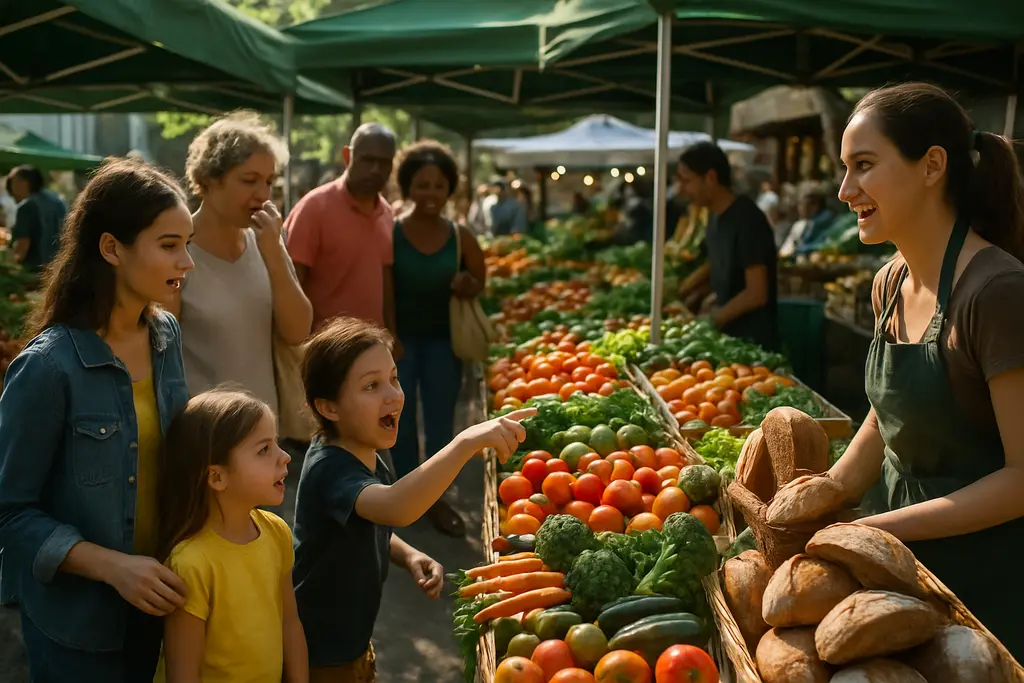
The same habit works at the market before you book a table. Ask growers which items restaurants have been buying, which crops are peaking, and which ingredients are short. You are not asking for trade secrets; you are listening for patterns. If several vendors are talking about greens, berries, squash, cabbage, herbs, or grains, you may notice those ingredients on brunch menus soon after.
What The Attendance Numbers Suggest
Frequent market visits appear to be gaining ground in nearby regional data, too. Penn State Extension reported that 38% of respondents in its 2025 survey across multiple Pennsylvania markets shopped weekly, up from 34% in 2024, according to Penn State Extension. Pennsylvania is not the Hudson Valley, so the figure should not be treated as a local count. Still, it offers a useful regional clue: a steady market habit can shape how diners think about freshness, seasonality, and value.
How To Shop Before Your Reservation
A market walk before brunch can make the meal feel more connected without requiring restaurant-insider knowledge. Start with what you can see: crates of greens, orchard fruit, cut flowers near herb bunches, eggs, cheeses, bread, mushrooms, or pantry goods. Then read brunch menus with those items in mind. If a café lists seasonal vegetables but the market stalls are heavy with one crop, you have a better sense of what “seasonal” might mean on the plate.
Start With Produce, Then Grains
Produce is the easiest category for diners to track because seasonality is visible. You can see when berries are abundant, when tomatoes appear, or when hardy greens return in cooler weather. Grains require more conversation. Research provided for this story noted that a U.S. adult survey on grains found 41% said they care where their grains are grown, 41% felt neutral, and 17% did not prioritize it. For brunch diners, that means pancakes, toast, pastries, porridge, and grain bowls can be part of the local sourcing conversation, not just salads and omelets.
Read Menus With Specificity
Menus vary in how much sourcing detail they provide. A general phrase such as “local ingredients” is a starting point, not proof of a full local supply chain. A farm name, town, producer, or changing seasonal note gives you more to work with. If a menu does not name sources, that does not automatically mean the kitchen is careless. Small restaurants may buy from nearby farms without listing every detail online. The practical move is to ask one clear question before ordering, especially if local sourcing affects your choice.
- Ask which brunch dish changes most often with market availability.
- Look for named farms, orchards, mills, dairies, bakeries, or beverage producers.
- Check whether the restaurant updates menus online or only in the dining room.
- Visit the market early if you want the widest view of what farms brought that day.
- Be flexible if a dish changes because a farm delivery was smaller than expected.
Turning Market Habits Into Better Brunch Choices
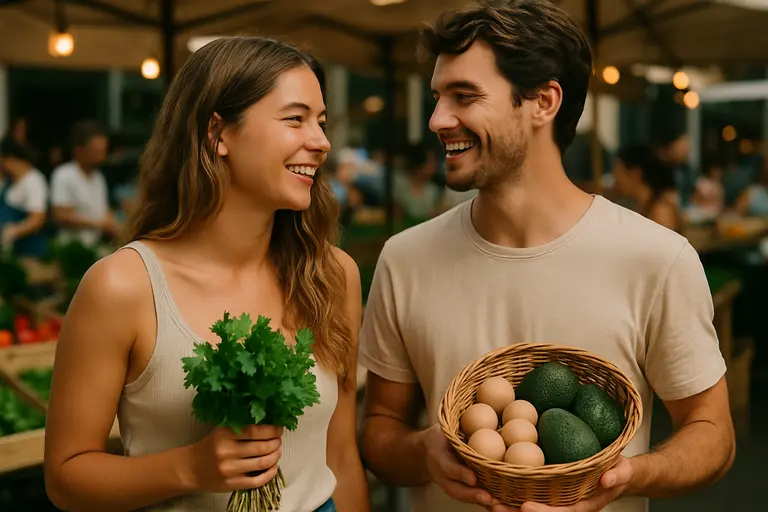
The best use of farmers markets brunch thinking is not to judge every restaurant by an impossible standard. It is to make better choices for the kind of meal you want. If you care most about peak-season produce, order the dish built around vegetables or fruit. If you care about baked goods, ask whether breads or pastries come from a local bakery or are made in-house. If you care about value, compare the portion, ingredient detail, and freshness cues rather than assuming a higher price always means stronger sourcing.
There is also a social side to this. Farmers markets allow diners, growers, bakers, and café owners to share the same public space. A conversation at a stand can lead you to a new brunch special, and a restaurant menu can send you back to a market vendor you had not noticed before. For readers tracking menu patterns across the region, our piece on local brunch ingredients offers another way to think about what may show up on plates as seasons change.
For Diners Hosting At Home
Local sourcing is not limited to restaurants. If you are hosting a birthday brunch, family gathering, or small weekend meal, a market trip can help set the menu before you hire help or plan the cooking yourself. Choose two or three anchor ingredients first, then build around them. For readers planning dining experiences at home, Personal Chef Mall is a related resource within the same network that offers insights into chef services and meal planning.
If you speak with a personal chef, ask the same kind of direct questions you would ask at a café: which ingredients can be sourced locally for the date, whether substitutions are likely, how the chef handles seasonal limits, and whether the menu can name farms or markets where possible. Keep expectations realistic. A chef may be able to use local produce for several dishes while relying on broader suppliers for oils, spices, citrus, coffee, or other ingredients that are not grown nearby.
Farmers Markets Brunch In The Hudson Valley
Farmers markets brunch fits the Hudson Valley because the region’s dining culture already rewards curiosity, seasonality, and neighborly conversations. The key is to stay factual and flexible. Not every brunch menu is fully local, not every market ingredient reaches restaurants, and not every server will know every supplier during a busy service. Diners can still make meaningful choices by visiting markets, asking concise questions, and noticing which ingredients appear both on farm tables and café menus.
Before booking your next brunch, check the restaurant’s current menu if one is available, scan for producer names, and decide what you want to learn. Afterward, visit a farmers market with the meal still fresh in your mind. You may recognize the greens in your salad, the apples in a pastry, or the grain conversation behind a slice of toast. That small loop between market and table is where local dining starts to feel more personal, practical, and rooted in the community.