Personal Chefs And The New At-Home Table
The rise of personal chefs is not just a national business story. It is also a dining-culture shift that Hudson Valley hosts can feel at the table: more people are weighing the comfort of home against the experience of a chef-led meal, a signature dish, and a room shaped around their own guests. In 2025, the U.S. personal chef services market generated US$4,752.2 million in revenue and was projected to reach US$7,029.2 million by 2033, according to Grand View Research. That growth helps explain why dinner parties, milestone meals, and weekly meal-prep bookings are getting more attention from diners who want restaurant-style care without leaving the house.
For the Hudson Valley, the practical question is not whether the trend sounds appealing. It is how a host can read a chef’s style, ask about service scope, and understand what kind of meal will actually arrive. A dinner in a farmhouse kitchen, a riverside rental, or a compact apartment calls for different timing, staffing, and plating choices. The food matters first, but the setting changes how that food is received.
Why Personal Chefs Are Drawing New Interest
National Data Behind The Booking Conversation
The clearest support for the surge comes from market research. Grand View Research’s U.S. outlook gives a 2026 to 2033 compound annual growth rate of 5.12% for the personal chef services market. That is not a passing social-media spike; it reflects a service category gaining steady commercial weight. Separate global research also points to North America as a major driver: in 2025, the region held 43.0% of the global personal chef services market share, according to Emergen Research.
That data does not give a Hudson Valley-only market size, so local diners should be careful about assuming every town has the same level of chef availability. Still, the national numbers help explain why more service models are appearing in searches and referrals. Some diners, for example, might explore various options through platforms like Personal Chef Mall, which can offer insights into different personal chef services, particularly when distinguishing between regular meal prep and one-off dining events.
What Personal Chefs Change At The Table
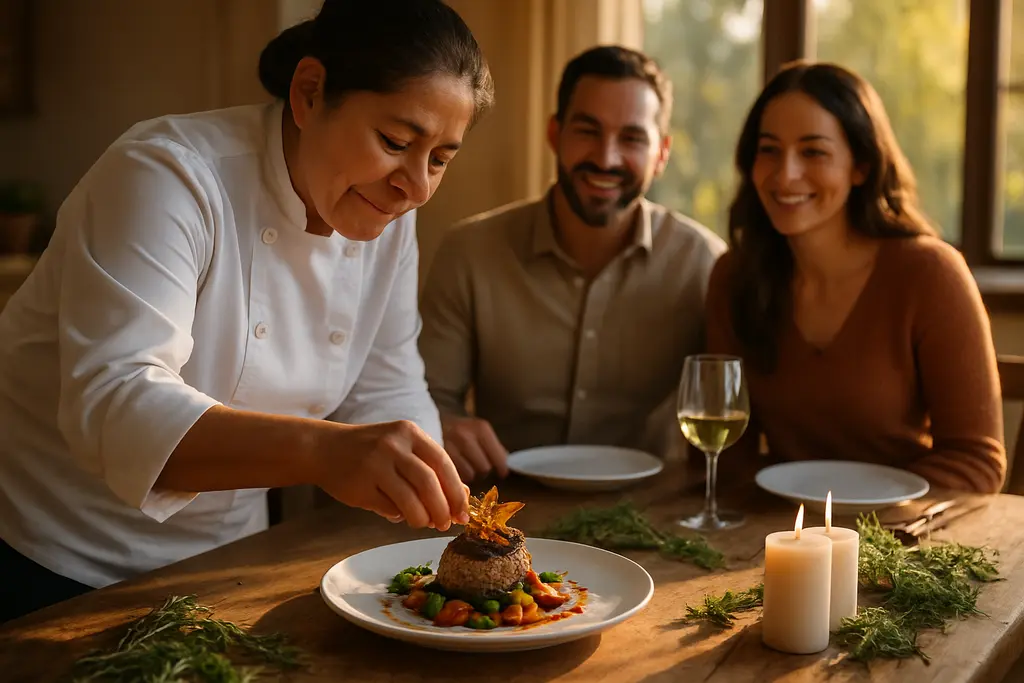
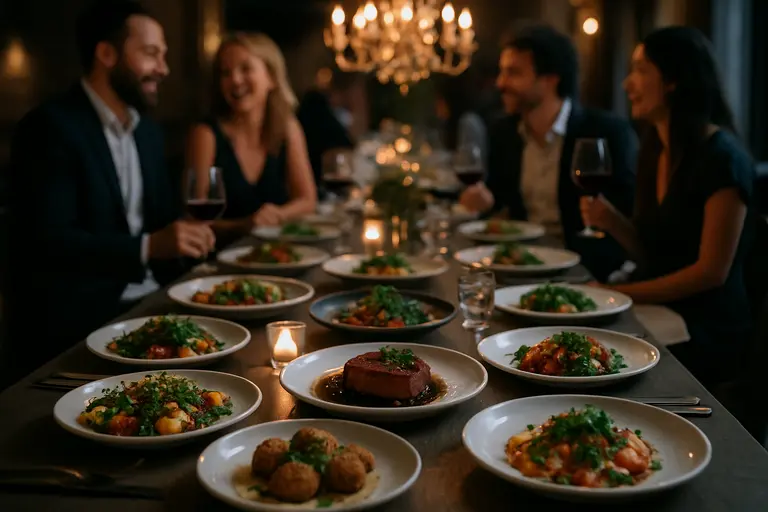
What makes personal chefs interesting is not only the food. It is the ability to connect the menu, pace, and room atmosphere. In a restaurant, the kitchen sets the rhythm for many tables at once. At home, a chef-led meal can move around the host’s schedule, the guest list, and the type of gathering. A family-style meal may feel generous and relaxed. A plated dinner may create more ceremony. A tasting menu can slow the evening and put more attention on technique.
Signature dishes matter here because they reveal how a chef thinks. A pasta course, roasted seasonal vegetables, a composed salad, or a dessert can all be simple on paper and still show a strong point of view. Diners should ask which dishes the chef recommends for the occasion and why those dishes fit the room, the available kitchen, and the number of guests. The answer often says more than a menu title.
How Hudson Valley Diners Should Compare Services
Read The Menu Like A Host, Not A Spectator
Before booking, hosts should look beyond attractive menu language. Ask whether the chef provides shopping, prep, cooking, service, cleanup, or some combination of those tasks. Ask whether the menu is fixed or adjustable. Ask what equipment is needed in the home. A beautiful course can become stressful if the oven space, counter space, or serving plan is unclear.
Hudson Valley diners often care about seasonality and regional character, but hosts should not assume local sourcing unless the chef states it directly. A practical question is: which ingredients are flexible, and which ones define the dish? If the chef can explain substitutions clearly, the host gets a better sense of how the final meal will hold together. For a deeper set of screening prompts, this related piece on private chef questions can help families compare menu fit and service scope without turning the booking call into a guessing game.
Questions To Ask Personal Chefs Before Booking
A good booking conversation should leave both sides with fewer surprises. The host should understand the food, the timing, the service style, and the cleanup plan. The chef should understand the room, guest count, dietary requests, parking, kitchen access, and any building limits. None of those details are glamorous, but they shape the meal as much as the sauce or garnish.
- What is your signature dish for this type of gathering? This helps reveal the chef’s style and confidence.
- How do you handle menu changes? This matters if guests have preferences or restrictions.
- What does the quoted service include? Shopping, staff, rentals, cleanup, and travel should be clear.
- What do you need from the kitchen? Ask about burners, oven space, refrigeration, and prep surfaces.
- How will the meal be served? Family-style, plated, buffet, and tasting formats create different atmospheres.
The goal is not to interrogate the chef. It is to build a shared plan. The best at-home meals feel relaxed because the hard questions were answered before the first pan went on the stove.
Signature Dishes And Service Styles
Meal Prep Is Different From A Dinner Event
Emergen Research reported that in-home meal prep and subscription services held 46.0% of the global personal chef market by service type in 2025. That category serves a different need than a celebratory dinner. Meal prep tends to value consistency, storage, labeling, and repeatable menus. A private event values pacing, presentation, and the shared moment around the table.
Hosts should decide which experience they want before comparing prices. A chef who excels at stocked refrigerators may not offer the same service style as a chef who builds multi-course dinners. The reverse can also be true. Neither model is automatically better; they answer different dining needs.
Atmosphere Is Part Of The Dish
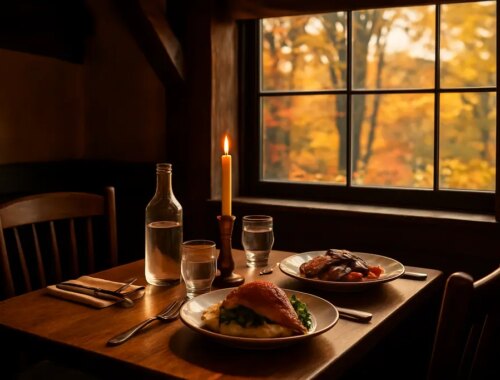
A signature dish does not land the same way in every setting. A composed plate can feel formal in a candlelit dining room and too fussy during a casual porch supper. A shared roast or seasonal platter can invite conversation, especially when guests are meant to linger. The host’s job is to describe the desired mood before the menu is finalized.
That is where personal chefs differ from many restaurant meals. The chef is not only cooking; the chef is adapting the meal to the space. Hudson Valley hosts can help by sharing photos of the kitchen and dining area, explaining whether guests will be standing or seated, and naming any timing pressure. A clear picture of the room leads to better food decisions.
Personal Chefs And The Hudson Valley Table
The national rise of personal chefs gives Hudson Valley diners more reason to think carefully about at-home dining. The research supports a growing U.S. market, but the success of a single meal still depends on practical details: menu fit, service scope, kitchen readiness, and the atmosphere the host wants to create.
For diners who love signature dishes, the smartest move is to ask for the story behind the plate. Why this dish? Why this format? Why this pace for this group of guests? Those answers separate a generic menu from a meal that feels right in the room. The surge in interest is real at the national level, but the dinner itself remains personal, local, and shaped one table at a time.