Menu Visuals Shape Hudson Valley Bookings
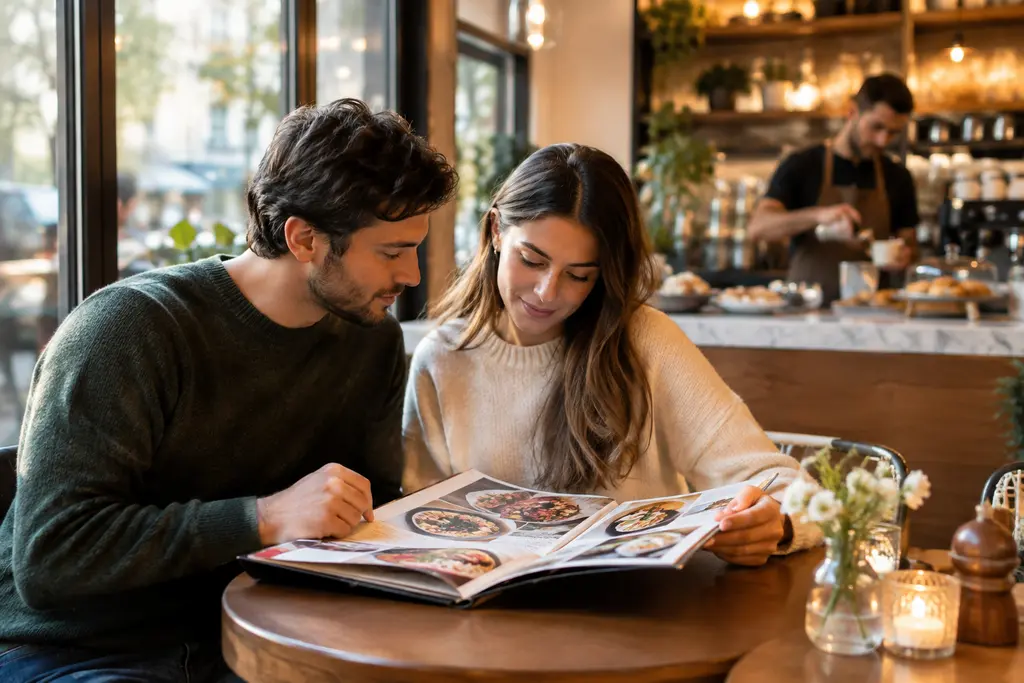
For Hudson Valley diners, menu visuals often answer a question before a host ever confirms a table: does this place feel right for the meal I have in mind? A plate photo can hint at portion style, color, plating, and comfort. A room photo can show whether a cafe feels calm enough for a laptop morning, warm enough for a date, or casual enough for a family stop after errands.
As someone who pays close attention to coffee culture, I look at restaurant and cafe photos the same way I look at a well-pulled cappuccino: the details matter, but honesty matters more. Glossy images can attract attention, yet the most useful photos are the ones that set clear expectations. For local diners, that means images should help answer practical questions before booking, ordering, or inviting a friend to meet across the table.
Why Menu Visuals Affect Reservations
Photos are not just decoration on a reservation page. In a Resy survey of 175 U.S. diners conducted from Oct. 17 to Nov. 15, 2024, 87% strongly or mostly agreed that a mix of food and vibe images makes it easier to decide whether to try a new restaurant, according to Resy photo guidance. The same research notes that realistic, high-quality images help diners understand signature dishes, seating areas, and atmosphere before they book.
Menu Visuals And Trust
Menu visuals build trust when they look believable. A diner should be able to connect the image to a real plate, a real counter, or a real table. That point matters in the Hudson Valley, where many dining choices are tied to plans: a Saturday coffee before the farmers market, a quiet lunch between appointments, or a dinner reservation after a day in Beacon, Kingston, Hudson, Newburgh, Poughkeepsie, or smaller river towns.
Trust also comes from consistency. If a reservation profile shows one style of lighting, seating, and food presentation, diners reasonably expect the visit to feel similar. A single beautiful dish photo can make someone curious, but a small set of clear images gives the decision more shape. The strongest visual set usually shows the food, the table, and the room without making the guest guess how the experience will feel.
Photos As A Preview Of Atmosphere
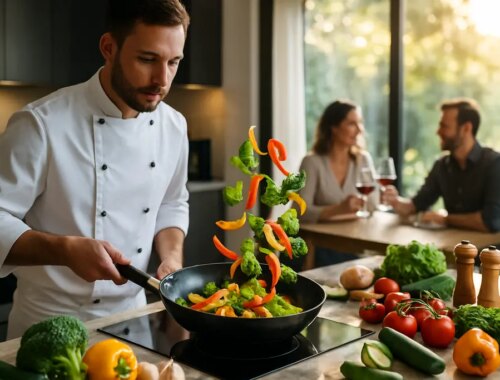
Atmosphere is hard to explain in a short menu description. A coffee bar might be cozy, spare, narrow, bright, dim, communal, or quiet. A restaurant might feel suited to a lingering dinner or a quick meal before a show. Photos give diners a preview of those cues. They show chair spacing, bar seating, natural light, plate style, glassware, and the relationship between food and room.
Resy’s 2024 Retrospective survey of 1,000 frequent diners found that 66% said they were likely to book a reservation based on a restaurant’s photos in its Resy profile; that figure rose to 81% among people who dine out frequently, according to the Resy Retrospective. For Hudson Valley restaurants and cafes, this supports a simple lesson: guests are not only looking for a dish. They are weighing the whole visit.
Reading Photos Before You Book
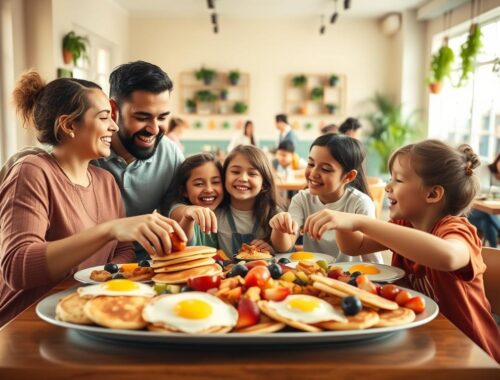
Diners can use images as practical planning tools rather than quick eye candy. A good restaurant photo set should help answer what the room feels like, what kind of meal pace to expect, and whether the menu seems aligned with the reason for the outing. This is especially useful for groups, where one person may care about a cocktail list, another may want a calm table, and another may be focused on dessert or coffee after the meal.
Look For Dish Clarity
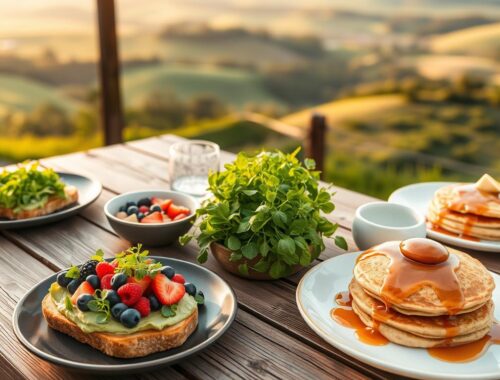
A useful food photo should make the dish easy to understand. It should show the main ingredient, the plating style, and enough context to suggest whether the dish is shareable, composed, casual, or more formal. Diners should be cautious about reading too much into portion size from one image, since camera angle and plate size can affect perception. Still, a clear photo can reduce uncertainty, especially for someone choosing between two restaurants for a reservation.
For cafe visitors, dish clarity applies to drinks as well. A latte photo might show whether the shop leans toward classic service or more styled presentation. A pastry case image can help a guest decide whether the stop fits a quick coffee run or a sit-down morning. These details may sound small, but coffee decisions often happen on tight schedules, and a clear preview helps.
Check The Room, Not Only The Plate
Before booking, look for room images as closely as food images. A dining room photo can show whether the tables are close together, whether there is counter seating, and whether the lighting feels better for conversation or quick service. It cannot tell you everything about sound, hospitality, or timing, but it can give enough clues to make a better choice.
- Look for at least one photo of the dining room, not only tightly cropped food.
- Check whether the images show seating types, such as booths, bar seats, two-tops, or communal tables.
- Compare the food photos with the written menu so the style feels consistent.
- Use recent official photos or reservation-platform photos when available, rather than relying only on scattered social posts.
- If the meal matters for a birthday, date, or business meeting, call the restaurant with any seating questions before booking.
For more on how room feel affects guest decisions, this related note on coffee shop ambiance connects visual cues with comfort, loyalty, and repeat cafe visits.
What Hudson Valley Cafes Can Show

Restaurants and cafes do not need endless images to help diners. They need the right images. A tight photo set can show the food, the coffee program, the service style, and the mood of the space. The goal is not to make every table look like a photo shoot. The goal is to help a guest decide whether the experience fits their plan.
A Practical Shot List
A Hudson Valley cafe or restaurant can start with a simple set: a signature plate, a seasonal plate if that item is reliably available, one coffee or drink image, one wide room view, one seating detail, and one exterior or entry image if the storefront is hard to spot. The images should reflect what guests are likely to see. If the room is usually softly lit at dinner, a bright midday photo may not be the best promise. If the cafe is designed for counter service, the photos should not suggest a formal table-service meal.
Menu visuals can also support staff. When images set expectations well, guests arrive with fewer surprises. A diner who has already seen the seating style, plate presentation, and general mood is less likely to book the wrong experience for the occasion. For independent places with small teams, that clarity can make hospitality feel more natural.
How Diners Can Use The Clues
Diners should read photos alongside the menu, reservation notes, and official restaurant information. If a restaurant shows several shared plates, communal tables, and lively group images, it may be a better fit for a social dinner than a quiet conversation. If a cafe shows individual tables, window light, and simple drink service, it may suit a slower coffee stop. These are not guarantees, but they are useful clues.
Readers who compare dining mood across nearby regions may also appreciate the perspective at De Novo Montclair, a related site in the same network. The same practical habits apply: look for photos that feel specific, current, and honest enough to support a real dining decision.
Menu Visuals In Hudson Valley Dining
Menu visuals have become part of how diners judge value before committing to a reservation. In the Hudson Valley, where meals often fit into broader plans around trains, markets, galleries, hikes, and coffee stops, the right photo can save time and reduce guesswork. It can show whether a restaurant feels relaxed or polished, whether a cafe looks suitable for lingering, and whether the food style matches the reason for going out.
The most useful photos do not need to be dramatic. They need to be truthful, current, and specific. A clear plate shot, a readable room image, and a fair sense of atmosphere can help diners make better choices and help restaurants welcome guests who already understand the kind of experience being offered. For local food lovers, that is where menu visuals earn their place: not as decoration, but as a practical bridge between curiosity and a confident booking.