Local Sourcing Efforts at New LA Restaurants
For Hudson Valley diners who watch restaurant culture beyond New York, local sourcing efforts at new Los Angeles restaurants offer a useful read on what may shape menus, dining rooms, and reservation expectations closer to home. Los Angeles has been a helpful case study during autumn 2026 because sourcing is showing up not only on the plate, but also in lighting choices, plant-filled rooms, lower-waste operations, and more casual price structures.
The point is not to copy Los Angeles. A Beverlywood bistro, a Chinatown tasting menu, and a Santa Monica opening do not face the same farms, seasons, rent pressures, or guest habits as a cafe in Beacon, Kingston, Rhinebeck, or Cold Spring. Still, the patterns are worth watching. Diners increasingly read a restaurant through small signals: the farms named on a menu, the way vegetables are treated, whether the room feels connected to the season, and whether staff can explain sourcing without turning dinner into a lecture.
How Local Sourcing Efforts Shape The Room
Local Sourcing Efforts Diners Can See
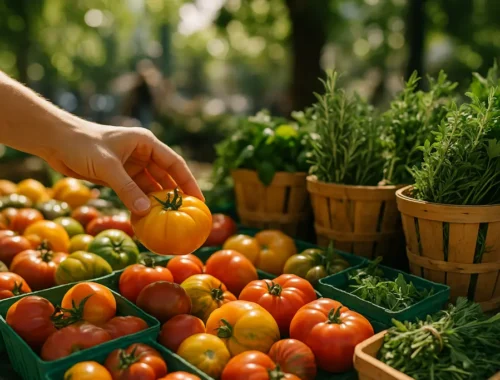
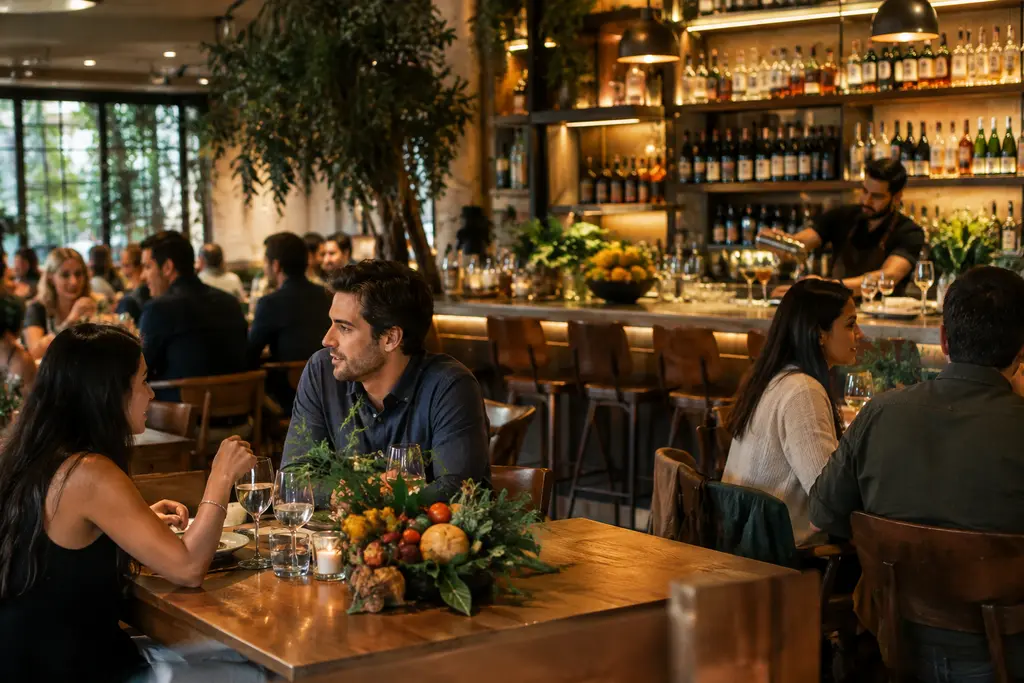
Some sourcing choices are obvious the moment a plate lands: peak-season tomatoes, a produce-forward appetizer, a lighter pasta course, or a dessert built around fruit instead of imported luxury ingredients. Other choices sit in the room itself. L.A. Magazine reported that Los Angeles restaurants including Chi Spacca, Osteria Mozza, Providence, Heritage, and Vespertine have earned Michelin Green Stars tied to sustainability practices such as local sourcing, organic practices, waste reduction, and energy and water conservation; the same report noted nature-forward interiors at restaurants such as Vespertine, Meteora, and Osteria Mozza, with Meteora using more than 750 live plants in its design L.A. Magazine report.
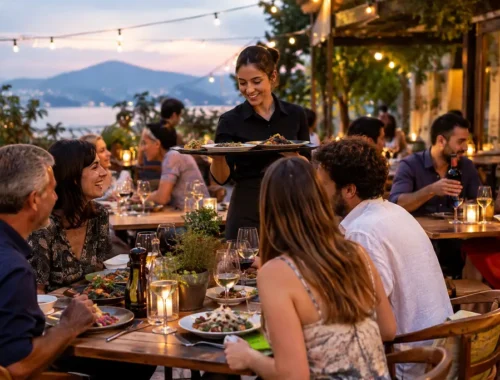
That matters for ambience because guests often feel sustainability before they analyze it. Natural textures, visible plants, softer lighting, and a menu that changes with local supply can make a restaurant feel less staged. The room starts to support the meal rather than compete with it. For diners, the practical cue is simple: look for alignment. If the menu speaks about local farms but the room feels disconnected from place and season, ask a few questions before assuming the sourcing story is central to the kitchen.
Lighting, Water, And A Quieter Kind Of Sustainability
The less glamorous details can shape the visit, too. The same L.A. Magazine reporting noted that, as of August 2026, Osteria Mozza had replaced about 90 percent of its lightbulbs with motion-sensitive LEDs and installed low-flow faucets. Those facts do not tell a diner what to order, but they do show how restaurant operators are tying atmosphere to operations. Lighting affects warmth, pace, and comfort. Water and energy choices may happen out of sight, but they can signal that the restaurant is thinking beyond a single dramatic menu line.
Hudson Valley diners know this instinctively from farm dinners, cideries, and small cafes where the room often reflects the owner’s sourcing values. A simple dining room can feel more grounded when the food, service style, and materials point in the same direction. For readers comparing notes between coasts, our piece on local sourcing and restaurant ambience looks at how similar choices can shape mood in a smaller regional market.
Fall 2026 LA Openings Diners Watched
New Menus With A Seasonal Point Of View
According to the supplied research, Marée opened in Beverlywood on September 9, 2026, as a bistro and wine bar with a California-Parisian direction and seasonality at the center of the menu. The research notes dishes such as crudo, house-made pasta, and fresh produce as examples of that approach. Because menus can change quickly, diners should verify the current menu before booking rather than assuming those dishes remain available on a given night.
The research also identified Spacca Tutto, a Westside Italian-American steakhouse from chef Nancy Silverton, as an October 2026 opening at Palisades Village. Since the supplied notes describe it as bringing Mozza and Chi Spacca sensibilities into a steakhouse format, the useful diner question is not only “What steak is on the menu?” It is also “How does the kitchen handle produce, sides, breads, and seasonality?” In a sourcing-minded steakhouse, ambience may come from restraint as much as abundance: fewer showy gestures, more attention to ingredients that make the table feel tied to the region.
Accessibility And The Chinatown Example
Firstborn in Chinatown offers a different lesson. Eater LA reported that the restaurant shifted in February 2026 to a $68 prix-fixe format with more produce-heavy plates and a lower entry cost than its earlier format Eater LA review. That change is useful for diners to study because sourcing is sometimes framed as expensive by default. Firstborn’s example shows how a restaurant can use menu structure, portion rhythm, and produce focus to make a tasting format feel more approachable.
For Hudson Valley diners, that is a familiar tension. Local ingredients can cost more to source, and small restaurants often work with tight margins. Yet a thoughtful prix fixe, brunch board, cafe menu, or family-style dinner can make regional ingredients feel inviting rather than precious. The atmosphere shifts when guests are not worried that every sourcing claim will come with a surprise price jump.
What To Ask Before Booking

Questions That Keep The Meal Practical
Before booking a sourcing-focused restaurant, ask questions that can be answered clearly. You do not need a full farm ledger. You need enough detail to know whether the restaurant’s values match your expectations for the night.
- Which menu items are most tied to seasonal or nearby ingredients right now?
- Does the menu change daily, weekly, or only by season?
- Are dietary requests handled within the set menu, or should guests call ahead?
- Is the dining room casual, celebratory, quiet, or more energetic?
- Are there fixed-price options, a la carte choices, or both?
These questions work just as well in Los Angeles as they do in the Hudson Valley. They help diners separate a thoughtful sourcing program from vague menu language. They also protect the mood of the evening. If a restaurant is produce-heavy and changes often, guests who want a specific dish should check before booking. If the room is plant-filled and softly lit, it may fit a slow dinner better than a quick pre-show meal.
Private Dining And Chef-Led Meals
The same thinking applies outside restaurants. If you are hiring a chef for a home dinner, ask how ingredients are chosen, whether the menu can reflect the season, and what the chef needs from your kitchen or dining space. A related planning resource in our network, Personal Chef Mall, can be a helpful starting point for thinking through chef-led meals, especially if you want the food and atmosphere to feel connected rather than improvised at the last minute.
With local sourcing efforts, the strongest experiences usually feel specific without feeling rigid. The menu has direction, the room supports the food, and the staff can explain the choices in plain language. Diners should feel welcomed into the sourcing story, not tested on it.
What LA Sourcing Signals For Hudson Valley Dining
Los Angeles and the Hudson Valley are very different dining regions, but autumn 2026 has made one shared idea clear: sourcing is becoming part of atmosphere. A local apple tart, a Hudson Valley grain bowl, a Catskills mushroom pasta, or a Long Island seafood special can shape the room just as much as chairs and candles. Guests notice when a restaurant’s food, materials, service pace, and price structure all point in the same direction.
For local diners, the takeaway is practical. Read menus with care, ask direct questions, and treat ambience as part of the sourcing promise. If a new restaurant highlights local sourcing efforts, look for evidence across the full visit: seasonal dishes, clear staff answers, thoughtful lighting, and a room that feels comfortable for the kind of meal being served. That is where the strongest dining experiences often begin.