Local Sourcing in Chicago Shapes Ambiance
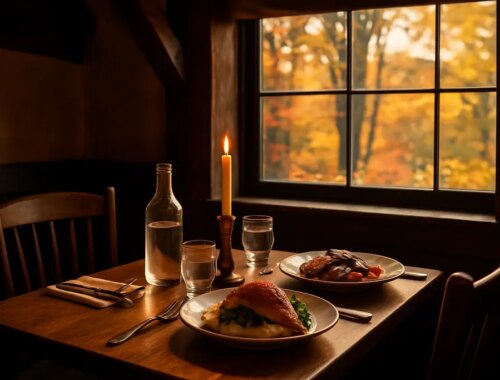
Local Sourcing in Chicago offers a useful way for Hudson Valley diners to think about atmosphere before making a reservation. The point is not only where the carrots, fish, greens, or grains come from. The sourcing can shape how a dining room feels: how much visual noise there is, how the staff explains the meal, how closely the room seems tied to the region outside its doors, and whether the setting makes the food feel grounded rather than staged.
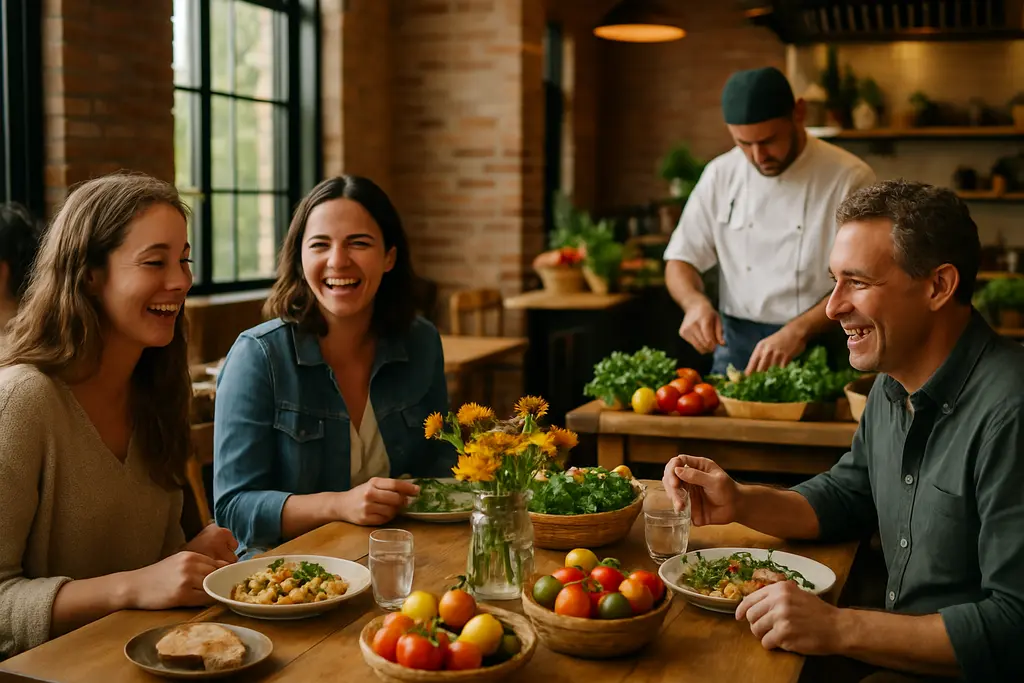
That lesson travels well to our river towns, coffee bars, farm-driven restaurants, and neighborhood cafes. A room can feel warmer because the menu has a clear point of view. It can also feel calmer because the restaurant does not need to decorate around a vague theme. As a coffee culture watcher, I notice the same idea at cafe counters: a thoughtful drink list, a local pastry case, and unhurried service can make a room feel connected to its community without saying too much.
What Local Sourcing in Chicago Changes In A Room
Restaurant ambiance is often discussed as lighting, music, table spacing, seating, and art. Those details matter, but sourcing can sit underneath all of them. If a kitchen builds a menu around regional farms or nearby producers, the dining room may need to support more explanation, less clutter, and a tighter sense of timing. Diners may arrive expecting a story, but the strongest rooms do not turn dinner into a lecture. They give just enough context for the plate to make sense.
Local Sourcing in Chicago Without Extra Ornament
Local Sourcing in Chicago, at least in the examples supported by the available reporting, points toward restraint rather than excess. At All Well in the West Loop, Eater Chicago described a hybrid setup in April 2026 that combined a five-course prix fixe menu with bar service until midnight. The same report described the room as airy and open, with plenty of space between tables and limited visual frills, which keeps attention on the meal rather than decorative spectacle Eater Chicago reported.
That approach is helpful for Hudson Valley diners who sometimes have to choose between a casual cafe, a farm-to-table dinner, and a more formal tasting menu. A room does not need to look expensive to feel considered. Space between tables, clear service rhythms, and a menu that explains itself can create comfort before the first course arrives. In a cafe, the same principle might mean a clean pastry display, a readable coffee menu, and seating that does not make lingering feel like a burden.
Two Restaurant Models Worth Studying
The Chicago examples from the research are not identical, which makes them more useful. One model uses an open, pared-back dining room to let a fixed menu carry the evening. Another depends on a very small room and a close relationship with nearby farms. For diners, the practical question is simple: does the atmosphere help the kitchen tell the truth about what it serves?
All Well And The Quiet Room
All Well’s reported format matters because it blends structure and ease. A five-course prix fixe menu gives the kitchen a clear path, while bar service until midnight suggests that the room was not built only for one kind of diner. The reported design choices are just as important: open space, a lighter hand with decoration, and enough distance between tables to soften the experience.
For Hudson Valley restaurants and cafes, this is a useful reminder. If the menu is seasonal or tightly edited, the room can stay simple. Diners do not need every wall to announce the concept. They need to hear their server, read the menu, and feel that the room is not fighting the food. The most memorable cafe atmospheres often work this way too: the espresso bar has a clear rhythm, the pastries are easy to see, and the seating gives people a reason to stay for a second cup.
Feld And The Farm-Timed Meal
Feld offers a different lesson. The research describes it as a 20-seat restaurant in Ukrainian Village that sources about 90 percent of its ingredients locally, from farms and producers within a four-hour radius. Bar & Restaurant reported that this model asks restaurants to work closely with local suppliers, which can affect menu planning and service timing Bar & Restaurant reported.
A 20-seat room changes the feel of local sourcing. Diners are closer to the work, the explanations, and the pace of service. The atmosphere can become more personal because the menu is not pretending to be available everywhere, all the time. This does not mean every Hudson Valley cafe should shrink its room or run a tasting menu. It does suggest that a smaller menu, a direct farm note, or a server who can explain a seasonal change may do more for the room than another decorative object.
How Hudson Valley Diners Can Read The Room
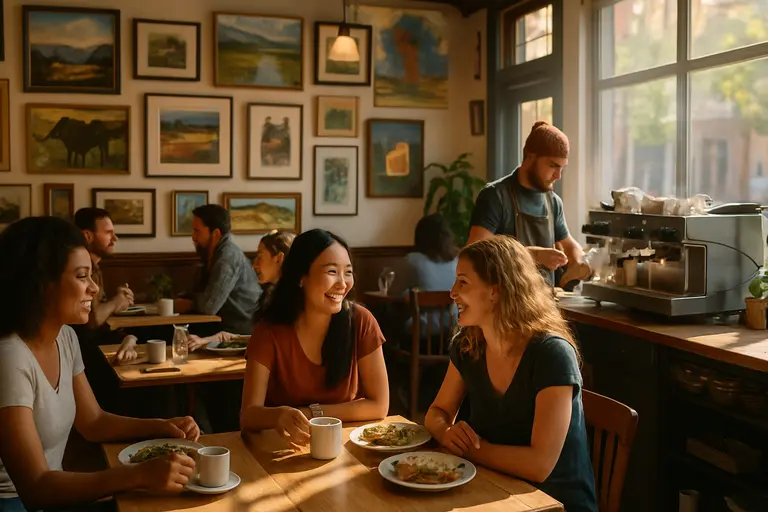
For local diners, the Chicago lesson is not to copy Chicago. It is to pay attention to how sourcing and atmosphere support each other. Before booking, look for signs that the room, menu, and service style are moving in the same direction. If the restaurant claims to be driven by nearby farms but the menu never changes, that is worth a polite question. If the room is spare but the service is warm and informative, the minimal setting may be intentional rather than cold.
Questions To Ask Before Booking
These questions work for a dinner reservation, a cafe meetup, or a special occasion meal. They keep the focus on practical dining choices rather than marketing language.
- Does the restaurant name any farms, producers, or regional suppliers on the menu or website?
- Does the menu appear seasonal, or does it read the same in every month?
- Is the room arranged for conversation, or does the design make the meal feel rushed?
- Can the staff explain one or two local ingredients without making the meal feel formal?
- Does the beverage program, including coffee or cocktails, reflect the same sense of place as the food?
Hudson Valley readers can also compare these points with our own local sourcing and restaurant ambiance lessons, especially when weighing a farm-minded restaurant against a more design-forward dining room. For a nearby North Jersey comparison within the wider dining community, De Novo Montclair provides a practical perspective on putting room design in harmony with a meal.
Local Sourcing in Chicago Lessons For Hudson Valley Cafes
Local Sourcing in Chicago is most useful to Hudson Valley diners when it becomes a lens, not a rulebook. The Chicago examples show that sourcing can influence room size, table spacing, menu pacing, and the amount of explanation a diner receives. A calm room can make a seasonal menu easier to notice. A small room can make farm relationships feel closer. A late bar format can make a serious kitchen feel less stiff.
A Coffee-Counter Way To Think About It
Cafes give us a simple version of the same idea. If a coffee shop serves beans with a clear origin, local milk, nearby baked goods, or seasonal syrups, the room should help customers enjoy those choices. That may mean good lighting near the pastry case, a menu board that does not overwhelm, and staff who can answer a simple question without slowing the line. The atmosphere becomes an invitation to notice care, not a demand to study the whole operation.
For diners planning a night out, the takeaway is practical: read the room as closely as the menu. Ask whether the setting supports the food’s source story. Notice whether the service gives enough context. Look for comfort, clarity, and a sense of place. Those cues can help Hudson Valley diners choose restaurants and cafes where local sourcing feels like part of the experience rather than a phrase placed on the menu.