
Spontaneous Bookings Shape Local Brunch Plans
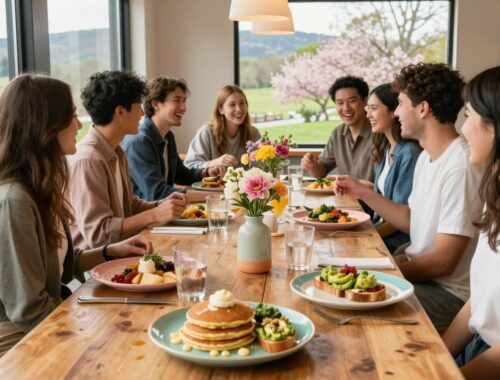
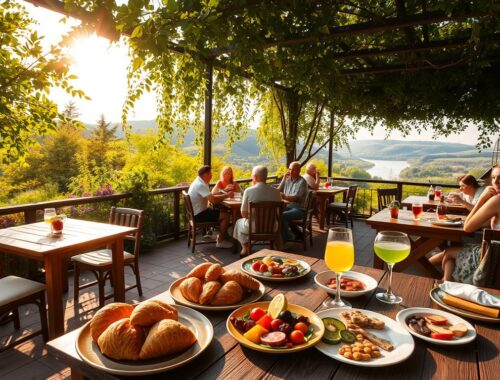
For Hudson Valley brunch lovers, spontaneous bookings can turn a quiet Saturday morning into a shared plate of pancakes, eggs, coffee, or a long catch-up over the kind of table that was not planned days ahead. The catch is that flexibility now cuts both ways. Diners want freedom, while restaurants need enough structure to staff the room, pace the kitchen, and keep tables moving without making guests feel rushed.
The strongest data available in the research notes is national rather than Hudson Valley-specific, so it should be read as a useful signal, not a local head count. Still, the pattern fits what many brunch diners already feel: people want options that sit between a fully planned reservation and a pure walk-in gamble. For brunch-oriented restaurants, that middle space affects reservation timing, waitlist tools, table holds, and how diners choose where to eat.
Why Diners Want More Flexibility
Spontaneous Bookings And Walk-Ins
OpenTable’s 2026 dining trends report found that 49% of American diners wanted more chances for spontaneous dining, including walk-ins or last-minute reservations, while 34% wanted the same level and 17% wanted fewer such opportunities, according to OpenTable dining trends. That split matters for brunch because weekends often come with shifting plans: a farmers market stop runs long, weather changes a hiking plan, family arrives earlier than expected, or a coffee date turns into a meal.
For diners, spontaneous bookings offer a feeling of possibility. You do not need to decide on Tuesday where you will want French toast or a breakfast sandwich on Sunday. For restaurants, the same behavior can be helpful if empty seats open up late, but it can also create pressure if too many guests arrive during the same popular window.
Wait Times Are Part Of The Choice
The same OpenTable report said Americans were willing to wait an average of 39 minutes as walk-ins in 2026. That figure gives diners a practical benchmark. If a brunch place quotes a wait near that range, many guests may see it as normal. If the wait stretches far beyond it, people may start checking nearby cafes, bakeries, or casual counters instead.
One helpful habit is to decide your wait limit before you leave home. If you are dining with young kids, older relatives, or a group that has another appointment, your real limit may be much shorter than the national average. If you are catching up with one friend and do not mind a stroll, a longer wait can feel less stressful. The best brunch choice is not only about the menu; it is also about the morning you actually have.
What This Means For Brunch Spots
Earlier Tables Can Be Easier
Brunch has a natural rush. Many diners aim for the late morning window, especially on weekends. The research notes also point to rising interest in earlier and off-peak reservations through 2025 reservation data, although those figures came from a source outside the approved citation list for this article. That makes the takeaway useful but not something to overstate: earlier tables may be worth checking if your preferred 11 a.m. slot is full.
For diners comparing Hudson Valley brunch options, this can mean looking at 9 a.m., early afternoon, or any time just outside the most obvious rush. It may also mean using reservation alerts, checking cancellation openings, or calling a restaurant directly when online inventory looks tight. OpenTable reported that its “Notify Me” feature, which alerts diners when reservation times become available, rose 84% year over year in 2025. That supports what many diners already do instinctively: they keep one eye on openings rather than treating a full booking screen as the end of the search.
Phone Calls Still Matter
Digital reservation tools are useful, but they do not always tell the full story. A restaurant may hold a few seats for walk-ins, adjust availability after a cancellation, or have bar seating that is handled differently from dining room tables. If your plans are flexible and polite, a quick call can still help. Ask simple questions: “Do you take walk-ins for brunch?” “Is there a better time for a party of two?” “Do you keep a waitlist once service starts?”
DoorDash and SevenRooms reported that 79% of delivery customers also dine in at the same restaurant, according to DoorDash restaurant trends. That crossover is a reminder that diners do not think in only one channel. A place you order from on a weeknight may become your next brunch table if the booking process feels clear and flexible.
How Diners Can Plan Without Overplanning

Use Alerts, Then Confirm
Reservation alerts are useful, but they work best with a little follow-through. If an alert opens a table, check the date, time, party size, and cancellation terms before grabbing it. If the restaurant has a note about limited seating time, outdoor seating, counter seats, or deposit rules, read it before you commit. A flexible plan should still be a clear plan.
For Hudson Valley diners, spontaneous bookings also pair well with local errands and day trips. If you are already heading to a market, trail, gallery, or bookstore, search nearby brunch options before you leave, then keep one backup within a short drive. Our earlier piece on last-minute brunch planning takes a similar approach: be open to the table you can get, but do not leave every detail to chance.
Have A Short Backup List
A backup list does not need to be long. Three realistic options are enough: one reservation-friendly restaurant, one cafe or counter-service spot, and one place with a menu that works for everyone in your group. This keeps the morning relaxed if your first choice is full or the wait is longer than expected.
- Check whether the restaurant accepts walk-ins, reservations, or both.
- Look for earlier or later brunch times before giving up on a busy date.
- Call if your party size is unusual or if online times seem limited.
- Keep one casual cafe in mind for coffee, pastries, or a shorter meal.
For those exploring dining options between the Hudson Valley and nearby New Jersey towns, a comparative look at reservation and dining practices at our network’s associate site, De Novo Montclair, can be revealing and useful.
Spontaneous Bookings For Local Brunch
A Practical Hudson Valley Mindset
The most useful way to think about spontaneous bookings is not as a shortcut around planning. They are a different kind of planning. Instead of locking in one table days ahead, you prepare a few flexible choices, understand your wait tolerance, and use the tools restaurants already offer. That approach respects the dining room while still leaving room for a spur-of-the-moment meal.
For brunch spots, the demand for flexibility can shape how tables are released, how walk-ins are greeted, and how clearly booking policies are explained. For diners, it changes the questions worth asking before leaving home. Can you eat earlier? Is a counter seat fine? Would your group be happy with a cafe instead of a full-service brunch? Do you need a firm reservation because someone has a tight schedule?
There is no Hudson Valley-specific dataset in the research notes that proves exactly how many local brunch covers now come from last-minute decisions. What the national data does show is that diners are asking for more room to decide late, and restaurants are responding through waitlists, alerts, and mixed reservation systems. Used thoughtfully, spontaneous bookings can help local diners enjoy brunch with less pressure and help restaurants fill seats that might otherwise sit empty.