Digital Menu Boards Shape Future Dining Rooms
Digital Menu Boards are no longer just bright replacements for printed menus. For Hudson Valley diners, they are becoming part of the first impression: what feels seasonal, what looks easy to order, how quickly a cafe communicates specials, and whether the room feels calm or rushed. A 2026 restaurant signage report found that, as of mid-2026, 62% of restaurant screens were using digital menu boards, rising to 82% in quick-service settings; the same report notes that screens can carry media content, social feeds, and weather updates alongside menu information according to the report.
That matters in the Hudson Valley because dining decisions often start before a guest reaches the counter or host stand. A weekend brunch guest may be scanning for coffee drinks, non-alcoholic options, kids’ choices, or a shorter lunch menu before committing to a table. A digital screen, online menu, or ordering kiosk can make that decision feel simple, or it can add friction if the information is hard to read. The technology itself is not the experience. The way a restaurant uses it is what shapes the mood.
How Digital Menu Boards Shape The Room
A menu has always been part of a restaurant’s atmosphere. The paper stock, typography, dish descriptions, and placement all affect how diners read the room. Screens add motion, timing, brightness, and the ability to change information quickly. For diners, Digital Menu Boards can clarify what is available at breakfast, lunch, happy hour, or dinner without relying on a server to recite every detail.
What Diners Notice First
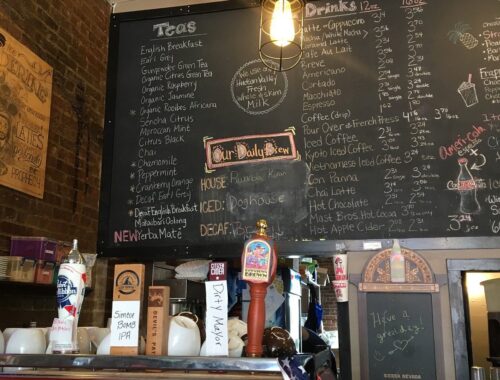
The first practical question is readability. A diner standing in line should be able to understand categories, prices, and ordering choices without feeling rushed. If a screen rotates too quickly, hides modifiers, or uses small type, it may work against the warm feeling that cafes and casual restaurants work hard to create. If the screen is clear and calm, it can support the same hospitality as a printed menu.
For brunch spots and coffee counters, this can be especially useful. Morning customers often want to know whether the kitchen is still serving breakfast sandwiches, whether pastries are available, or whether a drink menu has changed. The research supports that screens are already common in restaurant settings, but the diner-facing value depends on how the information is staged. The most helpful screens answer simple questions before a guest has to ask.
Where Ambience Can Slip
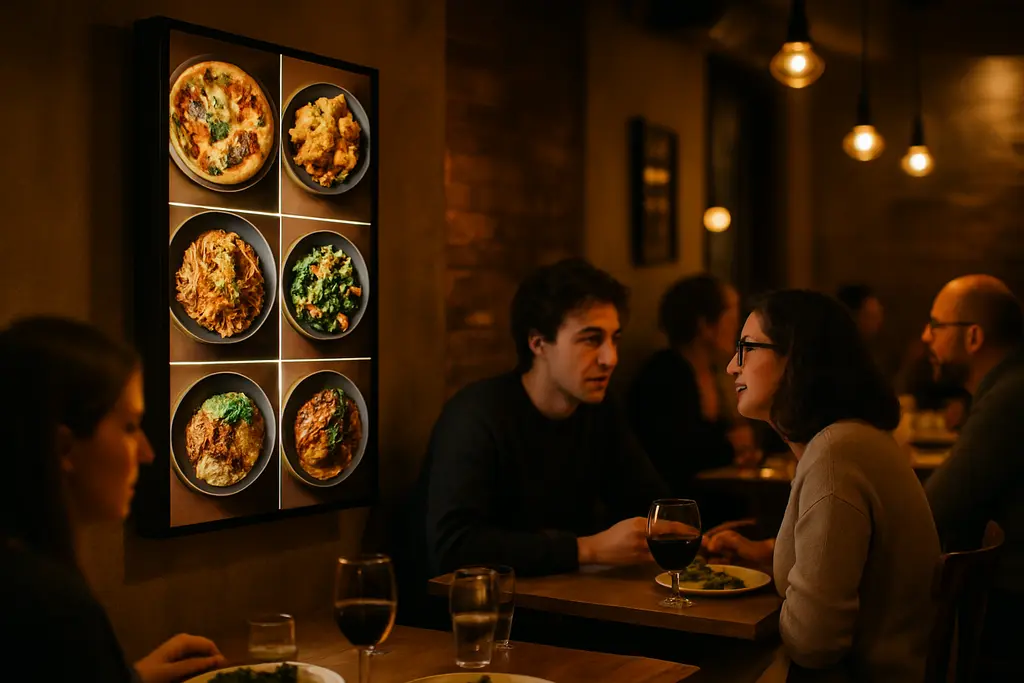
Technology can also feel out of place. A cozy room with warm lighting may lose some of its charm if the screen is too bright or filled with fast-moving content. Restaurants that care about atmosphere need to think about where the screen sits, how often it changes, and whether it supports the dining style. A quick-service counter can use more direct menu prompts. A sit-down cafe may benefit from a quieter digital display that highlights a small number of seasonal items.
This is where diners can be observant before booking or ordering. If a restaurant’s online menu feels dated, the in-room menu may still be accurate, but it is worth calling ahead for time-sensitive items. If a screen in the restaurant shows limited information, ask whether printed menus or staff guidance are available. Practical questions are especially helpful for guests planning around dietary preferences, group needs, or a tight schedule.
Technology In Menu Planning
Behind the scenes, restaurant technology is also shaping how menus get built. The 2026 State of Digital restaurant technology benchmark reported that 54% of quick-service restaurant brands planned to increase technology spending, compared with 44% of fast-casual chains. The same benchmark listed AI-focused spending areas including marketing and personalization at 53%, predictive operations at 40%, voice ordering at 39%, inventory and demand forecasting at 35%, and dynamic pricing menus at 13% according to this benchmark.
Digital Menu Boards And Menu Development
Menu development used to rely heavily on chef instinct, guest feedback, ingredient availability, and sales reports. Those factors still matter. Technology adds another layer by helping restaurants see which items guests notice, order, reorder, or ignore. Digital Menu Boards can make menu testing more flexible because restaurants can change featured items, daypart sections, or visual emphasis faster than they could with printed boards.
For a Hudson Valley diner, the effect may be subtle. You may not see the data behind a menu change, but you may notice a tighter list of choices, clearer categories, or more visible beverage pairings. The research notes that operators are investing in areas such as personalization, forecasting, and automation. Those tools can influence which dishes appear at certain times, how specials are presented, and how a restaurant balances speed with a sense of care.
What To Ask Before Booking
Diners do not need to understand every restaurant platform to make better choices. A few simple questions can help. Is the online menu the same as the dining-room menu? Are brunch items served only during certain hours? Does the restaurant update specials on its website, reservation page, or in the room? Can staff explain substitutions or unavailable items if the screen is not detailed?
Those questions are especially useful for group meals. In the Hudson Valley, where a day may include a farm market stop, a cafe lunch, and a dinner reservation in another town, accurate menu information saves time. If a restaurant uses technology well, guests should feel more informed, not less connected to the people serving them.
What Hudson Valley Diners Should Expect
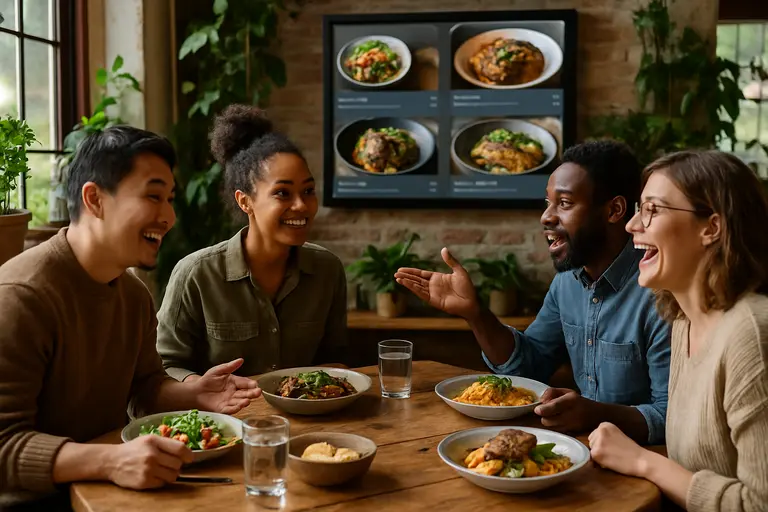
The most useful restaurant technology keeps hospitality at the center. A screen can highlight seasonal soups, coffee drinks, bakery items, wine by the glass, or limited dinner specials, but it should not replace the welcome that makes a neighborhood restaurant feel personal. Diners should expect digital tools to support clarity: updated choices, visible pricing, and fewer surprises between the online menu and the table.
There is also a practical community angle. Smaller cafes and independent restaurants may not adopt the same tools as national chains, and that is fine. A chalkboard, a printed menu, and a friendly explanation can still create a strong dining experience. Technology is most helpful when it matches the pace and personality of the place. For readers comparing how atmosphere, service, and value influence dining choices, our related piece on culinary trends and ambience offers a diner-first view.
For regional food enthusiasts exploring dining concepts beyond the Hudson Valley, De Novo Montclair is part of a broader dining network that exemplifies how nearby markets approach presentation, atmosphere, and customer expectations. The takeaway is simple: don’t evaluate the dining experience solely based on technological elements but rather on whether these tools enhance understanding and enjoyment of the meal.
Digital Menu Boards In Hudson Valley Dining
The most useful role for Digital Menu Boards in Hudson Valley dining is not flash. It is clarity with character. A breakfast cafe can use a screen to separate espresso drinks from baked goods. A casual lunch counter can show sold-out items quickly. A full-service restaurant can use digital menu planning behind the scenes while keeping the table experience personal and relaxed.
Before booking, diners should check the restaurant’s official menu page or reservation platform when available, then confirm any time-sensitive item directly with the restaurant if it affects the visit. Menus change, and technology can help communicate those changes, but it cannot guarantee that every item is available at every moment. The strongest dining experiences will pair smart menu tools with the local warmth that makes the Hudson Valley such a rewarding place to eat.