Culinary Trends 2026 and Restaurant Ambience
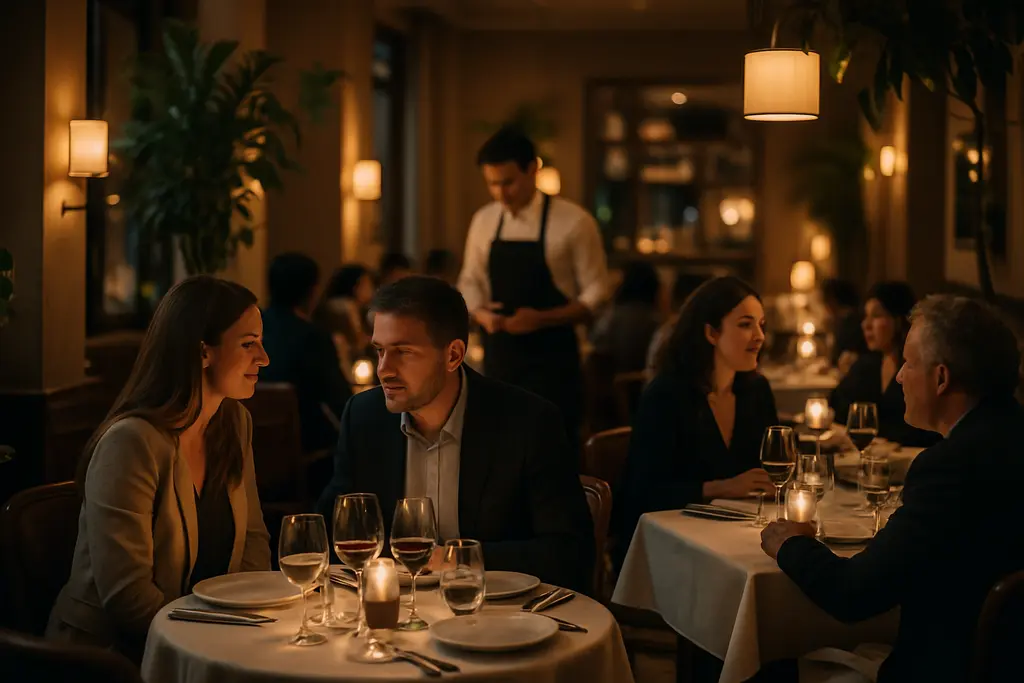
For Hudson Valley diners, culinary trends 2026 are not only about what lands on the plate. The National Restaurant Association’s 2026 State of the Restaurant Industry report, published on February 11, 2026, found that 61% of consumers said restaurants remained essential to their lifestyle, while value offerings and ambience helped shape where they chose to eat National Restaurant Association report. That finding fits what many local guests already feel: a meal out has to justify the drive, the reservation, the price, and the time away from home.
In the Hudson Valley, atmosphere often carries extra weight because dining is tied to town centers, river views, farm-adjacent menus, weekend travel, and casual celebrations. A restaurant does not need expensive theatrics to feel memorable. It needs a clear sense of welcome, a clean room, thoughtful pacing, and an experience that matches the promise of the menu. Those details are practical, not ornamental.
Why Culinary Trends 2026 Start With Ambience
Culinary Trends 2026 For Dining Rooms
The phrase culinary trends 2026 may sound like it belongs to chefs testing new sauces, but the dining room is part of the meal. The National Restaurant Association’s 2025 State of the Restaurant Industry report found that 90% of consumers said they enjoyed going to restaurants, and for full-service restaurants, cleanliness and the dining setting ranked among the top attributes affecting experience 2025 State of the Restaurant Industry report. That is a direct reminder that hospitality begins before a server describes a special.
Cleanliness is not glamorous, but it is one of the strongest atmosphere signals a guest receives. Entryways, restrooms, host stands, tabletops, glassware, and floor spacing all say something about how the restaurant is run. Diners may not name every detail, yet they remember whether the room felt cared for. A polished coffee cup, a tidy bar, and a steady greeting can support the food before the first bite.
Value Is Now Part Of The Room
Value does not only mean a lower check. In restaurant terms, value can mean a well-paced dinner, a comfortable seat, staff who answer questions clearly, and a room that makes the guest feel the reservation was worth making. For a diner driving from Beacon to Kingston, or from Rhinebeck to Hudson, the setting becomes part of the return on that trip.
This is especially relevant for independent restaurants and cafes across the region. If a place charges full-service prices, guests tend to expect more than a plate dropped at the table. They may notice noise levels, spacing between tables, coat storage, lighting, dessert timing, and whether the coffee service feels like an afterthought. The food still matters most, but the setting determines how long people want to stay.
Booking With Experience In Mind
Questions To Ask Before Reserving
One practical way to read culinary trends 2026 is to ask better questions before booking. Diners do not need to interrogate a restaurant. A quick review of the official website, reservation platform, or phone call can answer the details that shape comfort. This helps avoid mismatched expectations, especially for anniversaries, family visits, or meals with guests who have strong seating preferences.
- Is the restaurant full-service, counter-service, or a mix of both?
- Does the space take reservations, or is seating first come, first served?
- Are tasting events, beverage pairings, or private dinners listed on the official site?
- Is there a separate takeout area, or does pickup happen near the dining room?
- Can the restaurant confirm quieter seating for guests who prefer less noise?
- Does the menu style match the occasion: quick cafe stop, lingering dinner, or group meal?
These questions are not fussy. They help diners spend intentionally. A lively room can be ideal for a Friday night with friends, while a softer setting may suit a birthday dinner with older relatives. The same restaurant can be a good fit on one night and the wrong fit on another, depending on the guest’s goal.
Events, Tastings, And Social Dining
The research notes tied to the National Restaurant Association’s 2026 reporting point to interest in on-premises experiences such as tastings, private dinners, and cooking classes. For Hudson Valley restaurants, that type of programming makes sense because the region already connects dining with orchards, farms, breweries, distilleries, coffee roasters, and weekend travel. Still, diners should verify event dates, menus, prices, and seating formats through official restaurant channels before making plans.
From a guest perspective, events change the feel of a restaurant. A tasting may mean communal seating, set pours, a fixed menu, or a longer service window. A cooking class may place interaction ahead of a traditional dinner. A private dinner may offer more control over pacing and sound. None of these formats is automatically better; the right choice depends on whether the guest wants conversation, instruction, celebration, or a quiet meal.
What Hudson Valley Diners Can Watch
Local Identity Without Guesswork
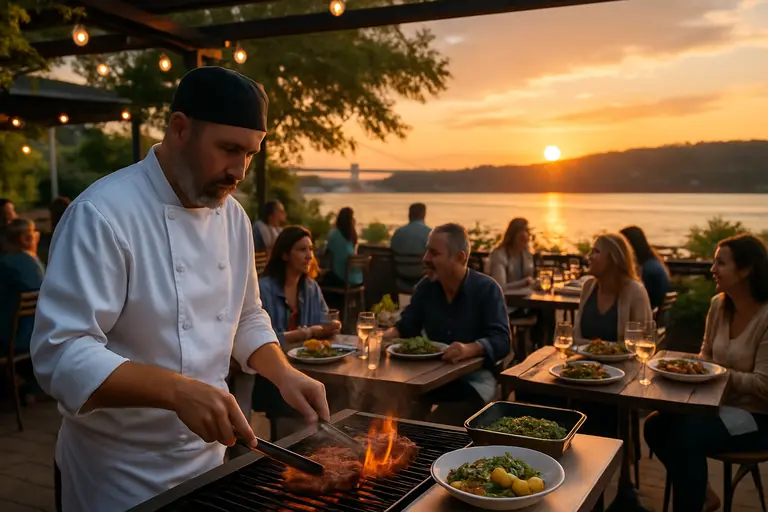
Hudson Valley restaurants often draw appeal from the area around them, but diners should be careful about assuming local sourcing unless a restaurant states it clearly. If a menu names a farm, roaster, bakery, cidery, or producer, that gives the guest a concrete clue. If it does not, the safer reading is that the restaurant may be building a regional mood through design, service, and menu style rather than verified local supply chains.
This distinction matters because atmosphere can imply a story. Barn wood, ceramic plates, seasonal flowers, and house coffee service may create a sense of place, but accurate sourcing still needs confirmation from the restaurant. For readers tracking ingredient cues, our note on local brunch ingredients offers a useful companion view of how menus can reflect the region without overstating what is known.
Coffee, Dessert, And The Last Impression
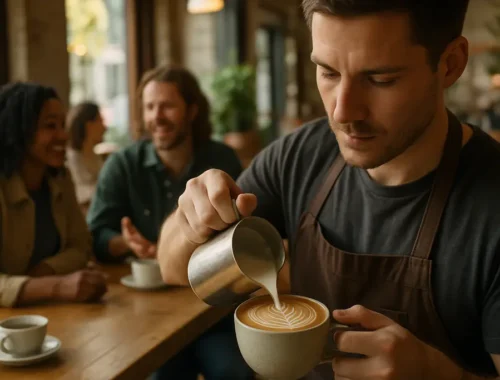
As a coffee-focused diner, I pay close attention to the end of a meal. Coffee service is one of the simplest ways a restaurant can make ambience feel complete. A good final cup does not need spectacle. It needs to arrive hot, taste fresh, and fit the tone of the room. If dessert is rushed, coffee is lukewarm, or the check appears before guests are ready, the final memory can weaken an otherwise strong dinner.
This is where culinary trends 2026 connect with everyday hospitality. Diners are weighing price against comfort and care. A restaurant that gives attention to lighting, pacing, clean surfaces, and a considered final sip can make a modest meal feel generous. A more expensive room that misses those signals may feel less satisfying, even if the cooking is technically strong.
Culinary Trends 2026 At The Table
The most useful reading of culinary trends 2026 for Hudson Valley diners is simple: judge the whole visit, not only the entree. Before booking, look for signs that the restaurant understands the occasion you have in mind. That might mean a clear reservation policy, event details posted plainly, a room suited to conversation, or a coffee program that treats the final minutes with care.
Regional diners can also compare how hospitality conversations are showing up beyond the Hudson Valley. For example, when exploring related dining experiences, you might visit De Novo Montclair, a site within the same network that highlights the confluence of food, design, service, and community identity in restaurants. For local guests, the practical takeaway is to ask what kind of experience a restaurant is offering before asking whether it is worth the trip.
Restaurants remain part of how people gather, celebrate, work through a long week, and show visitors around the area. The National Restaurant Association data from 2025 and 2026 supports what careful diners already recognize: ambience is not extra. It is part of the value of eating out, especially in a region where a meal often doubles as a local outing.