Attentive Service Lessons From Denver Dining
In Denver dining rooms, attentive service has become part of how guests judge the meal before the first plate is cleared. It is not just a matter of a server refilling water or describing a special. For diners paying higher menu prices, the greeting, pacing, order accuracy, room comfort, and sense of being cared for all help decide whether a night out feels worthwhile.
That lesson travels well beyond Colorado. Hudson Valley diners know the feeling, too: a café table by the window can feel warmer when staff notice a wobbly chair, bring coffee before it cools, and read whether a guest wants conversation or quiet. Denver’s restaurant scene gives us a useful case study because rising costs have pushed operators to think carefully about hospitality, value, and the mood of the room.
Why Attentive Service Shapes Atmosphere
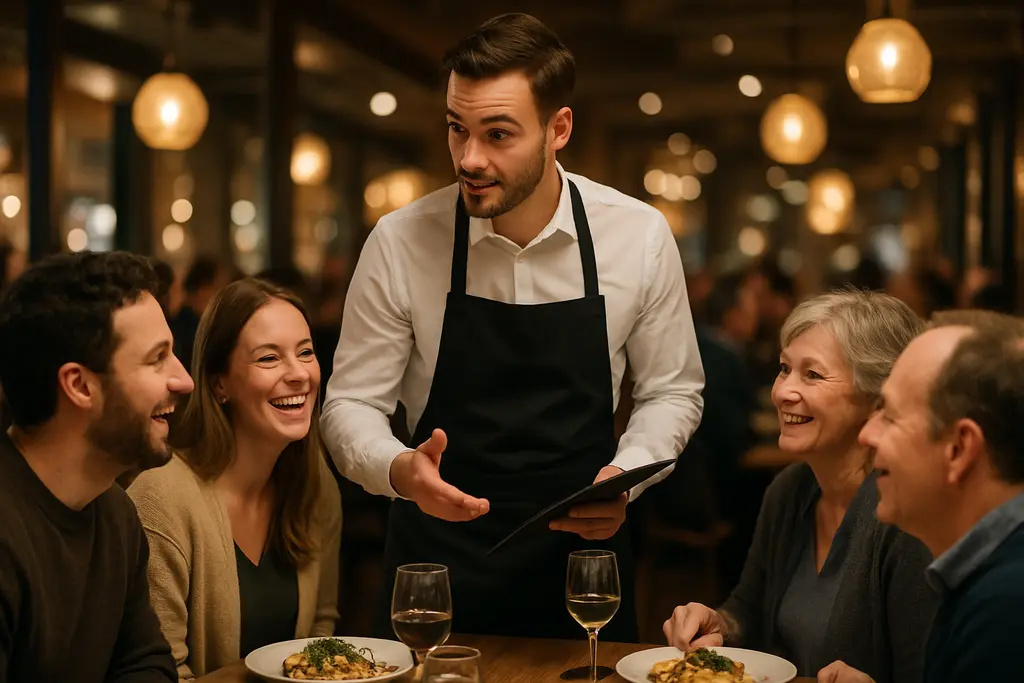
Atmosphere is often described through lighting, sound, seating, and décor, but service is part of the room’s texture. A friendly check-in can soften a loud dining room. Clear menu guidance can make a special occasion feel less stiff. A well-timed pause between courses can make a table feel unhurried, even when the restaurant is busy.
Attentive Service As A Value Signal
National satisfaction data supports what many regular diners already sense. In the 2026 American Customer Satisfaction Index study of full-service restaurants, with data collected from April 2025 through March 2026, courtesy and helpfulness of waitstaff scored 88 out of 100, up from 86 in 2025. The same research listed restaurant atmosphere among strengths noted in customer comments, and accuracy of order scored 91 out of 100, the highest element reported in the study ACSI restaurant study.
Those numbers matter because they show that food quality is not the only driver of satisfaction. Diners may remember a steak, a handmade pasta, or a beautiful pastry, but they also remember whether the staff made the meal feel easy. In coffee culture, this is especially clear. A cappuccino served with calm confidence tastes better in a room where the barista is not rushing guests through the counter. The drink matters, but the exchange around it shapes the experience.
Clean Rooms And Correct Orders
Order accuracy may sound practical rather than atmospheric, yet it strongly affects the mood at the table. A wrong entrée, missed allergy note, or forgotten drink can make guests tense. The ACSI findings place accuracy above other measured elements, which suggests that dependable basics build trust. Once trust is present, the room can feel more relaxed.
This is where smaller dining rooms and cafés can compete with larger restaurants. They may not have dramatic interiors, but they can create a memorable feeling by getting the simple things right: a clear welcome, a steady pace, accurate orders, clean tables, and staff who notice when guests need help without hovering.
Denver’s Cost Pressure And The Dining Room
Denver is a useful place to study hospitality because restaurants there have faced significant cost pressure. The 2025 State of Denver Restaurants report, dated February 27, 2026, stated that hourly labor costs rose by 50 to 55 percent between 2019 and 2024 while revenues lagged Denver restaurant report. That kind of pressure affects how many people can be scheduled, how long training lasts, and how much time staff can spend with each table.
Labor Costs Changed The Pace
Higher labor costs do not automatically mean poorer service, but they do make choices sharper. A restaurant may decide to run leaner, limit hours, simplify the menu, or ask staff to cover more ground. For diners, the visible result can be a faster greeting in one room and longer waits in another. The best operators protect the parts of hospitality that guests notice most: being acknowledged quickly, receiving accurate information, and knowing who to ask for help.
This is why high-touch hospitality has become a talking point in Denver dining. The phrase can sound grand, but the guest version is simple. Did the reservation notes matter? Did anyone explain the pacing? Did staff recognize a celebration without making it awkward? Did the bill arrive at the right time? These small actions help justify price, especially when diners are choosing fewer meals out and expecting more from each one.
Hospitality Without Guesswork
Good service is not mind reading. It is a series of clear, practical signals. Staff can ask whether guests are headed to a show, whether they prefer a slower meal, or whether they want recommendations. Guests can help by sharing time limits, dietary restrictions, and seating needs before the rush begins. The best atmosphere often comes from that two-way exchange.
For readers comparing private hosting with restaurant reservations, a related food-service resource such as Personal Chef Mall can also help frame the same question from another angle: how much personal attention do you want built into the meal? In a restaurant, that attention is shared across the dining room. At a private meal, the planning conversation may carry more of the hospitality load.
What Diners Can Ask Before Booking

Modern dining asks guests to be a little more intentional. That does not mean turning a casual dinner into homework. It means checking a few details before committing to a place, especially for birthdays, family visits, business dinners, or quiet meals where conversation matters.
Questions For A Better Night Out
Before booking, diners can ask practical questions that reveal how a restaurant thinks about service and atmosphere. These questions are fair, direct, and useful for both guests and staff:
- Is the dining room usually quieter at a certain time?
- Can the restaurant note a celebration, mobility need, or seating preference?
- How long should guests expect a full meal to take?
- Does the restaurant offer printed menus, digital menus, or both?
- Who should guests speak with if they have a timing issue during the meal?
Questions like these help avoid mismatched expectations. A lively room can be perfect for cocktails and shared plates, but poor for a serious conversation. A slower-paced restaurant may suit an anniversary dinner, while a streamlined café may be better for a pre-train breakfast. The right fit depends on the guest’s goal.
A Cafe Lens For Hudson Valley Readers
Hudson Valley café lovers can read Denver’s service conversation through a local lens. In a coffee shop, the guest experience is compressed into a shorter visit: the line, the order, the handoff, the table, the second cup. Hospitality still shows up. A barista who explains a roast without lecturing, a counter team that keeps the pastry case tidy, and a room arranged for both laptops and conversation all shape ambience.
The same thinking applies to dinner reservations across the region. If service is part of the atmosphere, then diners should notice how a restaurant communicates before they arrive. Confirmation texts, clear cancellation terms, accessible menus, and honest timing estimates can all reduce friction. For a related discussion of staff attention and mood-focused rooms, see our piece on high-touch hospitality.
Attentive Service Lessons For Diners
The most useful Denver lesson is that hospitality is not separate from value. It is one of the ways value is felt. A diner may accept higher prices when the food is strong, the room feels cared for, and the staff helps the meal run smoothly. If one of those pieces is missing, the whole experience can feel less generous.
Reading The Room Before You Sit
Guests can learn a lot in the first five minutes. Notice whether the host acknowledges waiting parties, whether staff seem able to answer basic questions, and whether the room’s pace matches your plans. None of these signs guarantee a perfect meal, but they help set expectations.
For restaurant owners, the takeaway is equally practical. Training staff to notice guests, clarify timing, and protect the comfort of the room can make a dining room feel more personal without adding flash. For diners, choosing well means looking past menu photos and asking how the whole visit will feel. That is where attentive service earns its place beside food, coffee, lighting, and sound as one of the true building blocks of modern dining.