
Campus Dining Trends Shaping Fall Brunch
For Hudson Valley diners who track coffee counters, brunch menus, and student-town dining habits, campus dining trends are worth watching closely this fall. College food service can be a useful early signal for what younger diners ask for later at cafes, bakeries, brunch rooms, and casual restaurants. The clearest signals for the fall semester are smaller grazing-style meals, texture-rich dishes, plant-forward choices, high-protein preferences, and drinks that move beyond the standard seasonal latte.
That does not mean every Hudson Valley brunch spot will suddenly serve like a dining hall, and it does not mean diners should treat national forecasts as local menu promises. It does suggest that brunch customers may start reading menus with a sharper eye for crunch, chew, creaminess, freshness, shareable portions, and drink variety. As a coffee culture watcher, I find the beverage piece especially useful: campus dining conversations increasingly include smoothies, specialty teas, botanical flavors, and visually creative drinks alongside the usual coffee order.
What Campus Dining Trends Signal For Brunch
On August 10, 2026, Chartwells Higher Education released its Fall Flavor Forecast and named “Gen Z Grazing: the Micro-Meal Revolution” as its top trend, describing a shift from three traditional meals toward smaller, more frequent portions; Chartwells also said it operates at more than 320 colleges and universities across the United States Chartwells forecast. That scale matters because it reflects a national campus dining view rather than one isolated school menu.
Campus Dining Trends And The Grazing Plate
The grazing idea fits naturally with brunch culture. Brunch already encourages diners to share pastry baskets, split sides, add a small salad, order a second drink, or treat a savory dish and a sweet bite as one relaxed meal. For a Hudson Valley cafe, the lesson is not to copy a campus station. It is to think about how diners build a table: one crisp item, one creamy item, one protein-centered item, one fruit or vegetable element, and a drink that feels intentional.
For diners, this shift changes how to scan a menu before booking. A brunch room that offers smaller plates, sides with clear descriptions, or flexible add-ons may suit a group with mixed appetites better than a menu built only around large entrees. If you are planning a table after a campus visit, a family weekend, or a morning drive through a college town, look for menus that make it easy to order in pieces without creating a confusing check.
Texture-Rich Plates Without Guesswork
Texture-rich dining sounds trendy, but it is also practical. A good brunch plate often works because of contrast: crisp potato edges against soft eggs, toasted bread against whipped cheese, crunchy vegetables against a smooth sauce, or chewy grains beside roasted fruit. The research notes tied sensory eating to student interest in crispy, vegetable-forward elements paired with richer, smoother components. That gives diners a simple way to judge a menu description before sitting down.
Ask yourself whether the dish has more than one texture built in. If a menu lists only soft components, it may still taste good, but it may not deliver the kind of contrast many younger diners are seeking. If a cafe describes toasted seeds, crisp vegetables, browned edges, crumbly toppings, or creamy purees, it is giving useful clues. This is especially helpful for brunch because many classic dishes lean soft: eggs, pancakes, oatmeal, and baked custards all benefit from a crisp or fresh counterpoint.
Drinks, Teas, And The Cafe Counter
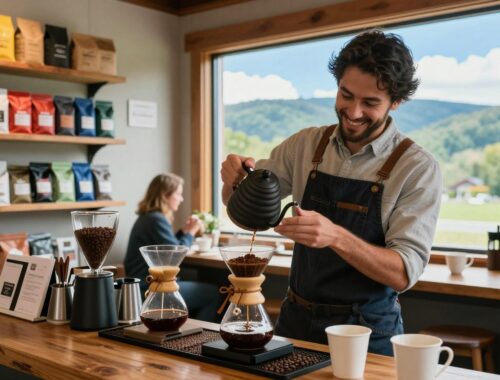
Campus beverage habits deserve close attention from Hudson Valley coffee lovers. The research notes point to student interest in smoothies, bubble tea, energy drinks, electrolyte drinks, specialty teas, matcha, jasmine, chai, and butterfly pea. Not every brunch room needs every one of those drinks. In fact, a short drink list can be better if the staff can make each item consistently. The practical question is whether a cafe gives non-coffee drinkers the same care that espresso drinkers expect.
Beyond The Standard Fall Cup
Pumpkin and maple remain familiar fall flavors, but the campus forecast suggests that globally inspired botanical and specialty teas are gaining attention. For diners, that makes the drink menu a useful preview of the kitchen’s personality. A place offering a thoughtful chai, a matcha drink, or a jasmine tea option may also be thinking carefully about aroma, texture, and pacing. A brunch table feels more inviting when the drink program supports both a slow coffee drinker and someone who wants a bright, tea-based sip.
I would not judge a Hudson Valley cafe by whether it follows every national trend. I would judge it by clarity. Are drinks described well? Are sweeteners, dairy alternatives, and caffeine levels easy to ask about? Can a server explain the difference between a creamy drink and a lighter tea? Those questions help diners avoid disappointment, especially when a group includes students, parents, and locals with very different brunch habits.
How Beverages Shape The Table
A drink can make a grazing-style brunch feel complete. A smoothie can stand beside a smaller savory plate. A specialty tea can pair well with pastry. A coffee drink can anchor a longer conversation in a warm room. For Hudson Valley cafes, atmosphere still matters: the spacing of tables, the pace of counter service, and the sound level can make a small meal feel generous or rushed.
This is where local diners have an advantage. Many Hudson Valley customers already think about brunch as more than a plate. They care about where the morning light hits, whether a counter welcomes solo diners, and whether the room works for a long catch-up. If campus dining habits push menus toward grazing, the best local response is not bigger variety for its own sake. It is better balance across food, drink, and room feel.
What Diners Should Ask Before Booking

National data can help, but practical questions help more. A November 2025 national survey by Touch Grass Together reported that 82% of students believed poor nutrition was a significant problem on campus, while 72% said dining halls did not offer enough healthy options student survey report. Those numbers show strong student concern, but they should not be treated as medical guidance. For brunch diners, the takeaway is simpler: many younger guests are asking more direct questions about ingredients, portion size, protein, plants, and drinks.
Questions For Brunch Groups
If you are choosing a spot for students, parents, alumni, or a mixed-age brunch, ask questions that match the meal you want. A restaurant does not need to market itself as trend-driven to serve your group well. It needs clear answers.
- Does the menu offer smaller plates, sides, or shareable items for grazing?
- Are there dishes with clear texture contrast, such as crisp, creamy, chewy, or crunchy elements?
- Can the kitchen point out plant-forward choices without overexplaining the whole menu?
- Are high-protein options easy to identify from the menu description?
- Does the drink list include tea, smoothie, or non-coffee choices for guests who want them?
These questions work just as well for a casual cafe as they do for a larger brunch room. They also help avoid the common mistake of booking only by photos. A beautiful plate may not suit a group if everyone wants different portion sizes or if the drink menu is too narrow for the table.
Where Local Sourcing Fits
The research notes connect student interest with plant-forward meals, cleaner ingredients, fiber-forward options, and protein-rich dishes. For Hudson Valley diners, that can connect naturally with local produce and seasonal menu planning, though diners should still check each restaurant’s own menu before making plans. If you want to compare these ideas with regional brunch habits, our piece on local brunch ingredients offers another way to think about produce, grains, and practical ordering clues.
Private gatherings raise a related question. If a family weekend or student apartment meal calls for brunch outside a restaurant, considering a personal chef arrangement might offer a different kind of planning conversation around portions and courses. Readers curious about this option can browse personal chef planning ideas from a related site in our network, then ask any chef directly about menu scope, service style, and ingredient sourcing.
Campus Dining Trends For Hudson Valley Brunch
Campus dining trends do not replace local taste, but they do sharpen the way we read a brunch menu. The fall semester’s signals point toward grazing portions, textural contrast, plant-forward thinking, protein interest, and drinks with more personality than a single seasonal flavor. For Hudson Valley diners, that means paying closer attention before booking: read the sides, study the drink list, look for texture words, and ask whether the room supports the kind of meal your group wants.
The most useful brunch spots will be the ones that make choices easy without making the meal feel clinical. A crisp edge, a creamy center, a fresh vegetable note, a satisfying protein, and a well-made tea or coffee can say a lot. If cafes and brunch rooms listen carefully to student dining habits without losing their own local character, the fall table should feel more flexible, more social, and better suited to how people actually eat.