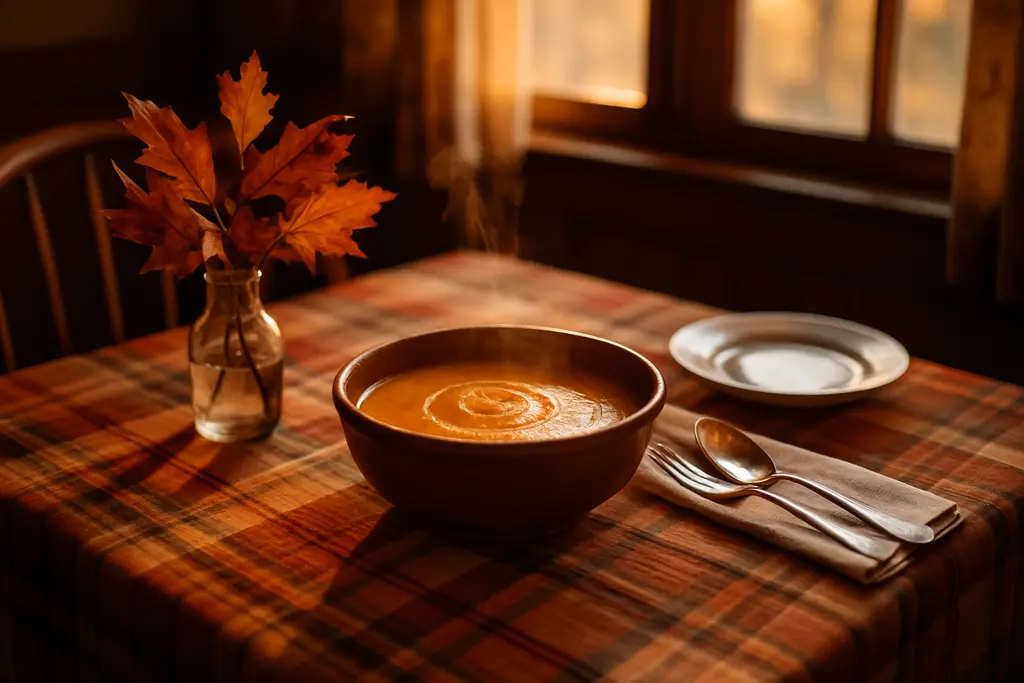
Comfort Food Tasting Menus Shape Fall Dining
As of October 20, 2026, comfort food tasting menus make sense for diners who want fall warmth without giving up the pleasure of a chef-led sequence. The idea is not just macaroni, braises, bowls, and sweets dressed up for formality. The better read is more practical: familiar dishes are being used as anchors, while shorter menus, global seasoning, and clearer pacing help the meal feel special without becoming a long evening that asks too much of the table.
For Hudson Valley diners, that shift matters before booking. Our region already responds well to seasonal cooking, coffee service, casual fine dining, and chef-owned rooms where the signature dish carries the story of the place. A tasting format built around comfort can work especially well in fall because it lets a kitchen show technique through recognizable cues: roasted squash, braised meats, mushrooms, warm spices, bread service, fruit desserts, and savory sauces with a little contrast.
Why Comfort Food Tasting Menus Fit Fall
Comfort Food Tasting Menus And Familiar Cues
Comfort cooking has measurable support beyond a passing menu phrase. The National Restaurant Association’s What’s Hot Culinary Forecast, published on November 19, 2025, named comfort foods with nostalgia among the top three overall trends expected to define 2026 menus, with examples including smashed burgers, Caribbean curry bowls, and elevated instant noodles according to the forecast. Those examples point to a useful pattern: diners recognize the structure first, then notice the chef’s point of view.
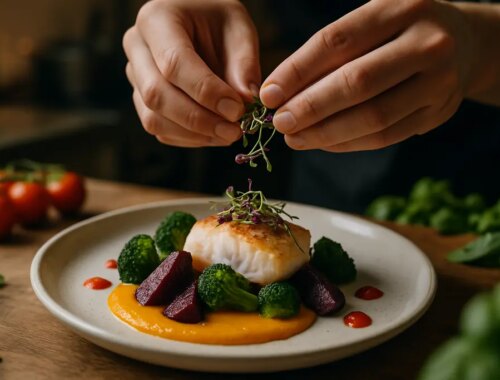
These comfort food tasting menus give restaurants a way to present signature dishes without asking guests to order a heavy entrée. A kitchen can serve a small bowl inspired by a stew, a single crisp-edged noodle course, or a compact burger-like bite with a house sauce. The diner gets the memory of comfort, but the kitchen keeps control of portion, pace, and balance.
Why Shorter Formats Matter
On September 8, 2026, Resy reported that tasting menus had been returning in forms that were less formal, often shorter, more imaginative, and more globally influenced, with more attention paid to value and storytelling than to rigid ceremony as Resy reported. That is helpful context for anyone booking in the Hudson Valley. A menu does not need twelve courses to feel complete. In fact, a shorter run can be better suited to fall comfort dishes because rich flavors need breathing room.
A six-course meal built around warm breads, soup, pasta, braised protein, a cheese or vegetable course, and dessert can feel generous if the pacing is right. The question is not how many plates arrive. The question is whether the sequence lets each plate feel purposeful.
How To Read A Comfort-Driven Menu
Look For Contrast, Not Just Richness
A fall tasting menu can lose energy if every course leans creamy, buttery, or sweet. Strong menus usually show contrast. That could mean acidity against braised beef, chile heat against maple, miso beside sweet potato, or a tart fruit element against a custard dessert. These touches keep comfort from becoming flat.
For local diners, the menu language can tell you a lot. Words such as roasted, braised, smoked, fermented, pickled, toasted, and glazed often signal that the chef is building more than softness and warmth. A good tasting progression should give you a reason to keep paying attention from one course to the next.
Read The Signature Dish Placement
The signature dish in a tasting menu is not always the largest plate. It may be the course that shows the restaurant’s technique, the one the server explains with the most detail, or the plate that links the menu to the season. In a comfort-led format, the signature may be a pasta, a dumpling, a deeply reduced sauce, a bread course, or a dessert that recalls a family-style classic.
If you follow seasonal menu changes closely, it can help to compare how restaurants frame fall dishes against earlier harvest cooking. Our notes on how seasonal menus shape Hudson Valley dining offer a useful way to read produce cues, specials, and signature dishes before committing to a reservation.
Booking Questions For Hudson Valley Diners
Ask Before You Reserve
The smartest tasting-menu booking starts with a few direct questions. This is especially true for comfort food tasting menus, since the phrase can mean anything from casual nostalgia to a chef’s most technical seasonal work. Restaurants may change courses based on availability, staffing, or service format, so it is better to ask than to assume.
- How many courses are served, and how long does the meal usually take?
- Is the menu fixed, or can the kitchen adjust for dietary needs?
- Which course is considered the signature dish right now?
- Are beverage pairings optional, and is coffee service offered with dessert?
- Does the menu include richer dishes throughout, or does it build in lighter courses?
These questions are practical, not fussy. They help a table understand whether the experience fits a weeknight dinner, a birthday, a visiting-family meal, or a slower weekend plan. They also help avoid the mismatch that happens when one guest expects a cozy meal and another expects a long formal service.
Think About Private Dining, Too
The same comfort-led structure can work outside a restaurant. A personal chef dinner can use a shorter tasting format built around a family favorite, a regional ingredient, or a dessert course paired with coffee. For those exploring private chef options alongside restaurant bookings, Personal Chef Mall offers a great resource within the same culinary community to consider when planning a private dining experience.
Coffee, Dessert, And Pace
Why The Last Course Carries Weight
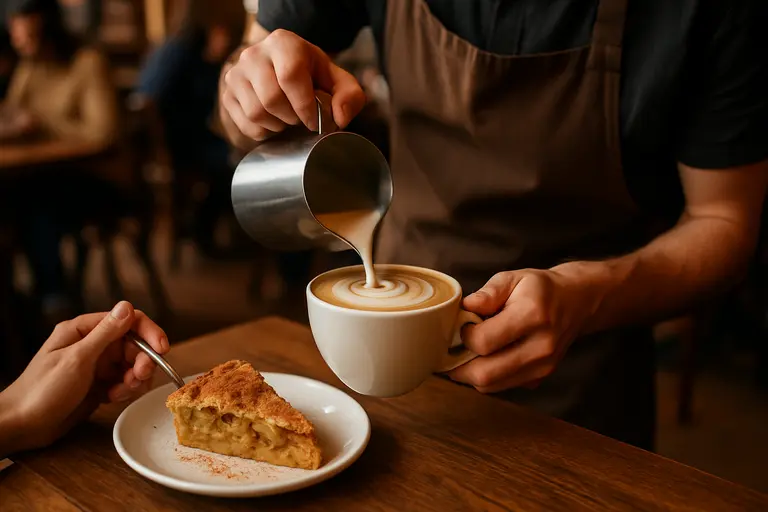
As a coffee-focused diner, I pay close attention to the last fifteen minutes of a tasting menu. Comfort food does not stop at the savory courses. Bread pudding, fruit crisps, custards, warm cakes, nut desserts, and spice-forward sweets can carry the same nostalgic pull as a braise or noodle course. Coffee can either sharpen that ending or make it feel heavy.
Before booking, ask whether coffee is treated as a standard afterthought or as part of the meal’s finish. A simple, well-brewed cup can be enough if the dessert is sweet and warm. If a restaurant offers a pairing, ask whether it is built around coffee, wine, cider, tea, or a nonalcoholic option. The answer tells you how seriously the room handles the close of the experience.
Watch For Portion Rhythm
Comfort-driven tasting menus need portion discipline. A rich first course, a buttery pasta, and a braise can satisfy quickly, but they can also crowd out the courses that follow. The strongest fall sequence usually changes texture and temperature: crisp to soft, warm to cool, savory to gently sweet. Diners should leave with a sense of generosity, not fatigue.
Comfort Food Tasting Menus In The Hudson Valley
The Practical Read
For Hudson Valley diners, the rise of comfort food tasting menus is best understood as a booking lens. Look for menus that name the seasonal idea clearly, show contrast between courses, and give a recognizable comfort dish a reason to be there. The format should help a chef express a signature point of view, not simply shrink a set of entrées into smaller plates.
If a restaurant cannot confirm the number of courses, approximate pacing, or accommodation policy, hold off until you have the details you need. If the menu reads warm, focused, and balanced, fall 2026 is a good moment to let comfort classics lead the meal in a more thoughtful format.