Local Brunch Ingredients Forecast For 2026
Local brunch ingredients are expected to shape many 2026 morning menus, especially for diners who pay attention to seasonality, produce-forward plates, and cafe drinks that feel tied to a place. For the Hudson Valley, that forecast matters because brunch is often the meal where farms, bakeries, coffee counters, and relaxed weekend dining meet on one table.
The research points to a practical shift rather than a flashy one. Spring vegetables, cabbage dishes, peas on toast, local grains, fruit-forward pancakes, savory pastries, pickled condiments, and coffee drinks inspired by local flavors all appear in the 2026 conversation. Diners do not need to chase every trend. The better move is to read menus closely, ask useful questions, and notice whether a brunch spot is building dishes around the season instead of relying only on year-round staples.
How Local Brunch Ingredients Shape 2026 Menus
What Local Brunch Ingredients Signal To Diners
A brunch menu built around local brunch ingredients usually gives diners clues before a plate reaches the table. Look for named vegetables, grains, fruits, and condiments rather than vague descriptions. A dish that mentions asparagus, rhubarb, new potatoes, cabbage, peas, cornmeal, blueberries, mushrooms, or radicchio is telling you more about the kitchen’s priorities than a generic “seasonal special.”
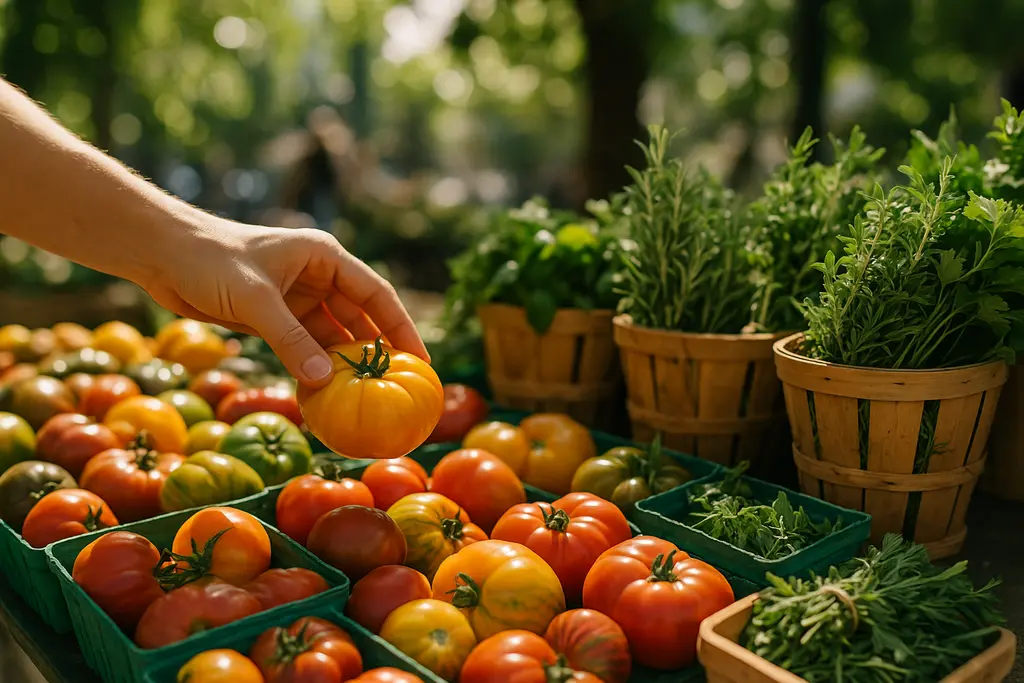
Spring produce is a major part of the 2026 forecast. The Guardian’s spring food coverage highlights asparagus, rhubarb, and new potatoes as seasonal ingredients that can reawaken a menu after winter, especially in brighter, sharper dishes seasonal spring ingredients. For Hudson Valley brunch diners, those ingredients fit naturally into egg plates, tartines, salads, hash-style sides, fruit compotes, and pastry fillings.
The most useful question is not whether a menu uses the word “local.” Ask what is actually in season and how the kitchen is using it. A spring brunch can feel very different from a late-summer brunch, and that is the point. The strongest menus give cooks room to adjust without making diners feel uncertain about what they are ordering.
Seasonal Vegetables Beyond The Side Plate
Vegetables are moving closer to the center of brunch. That does not mean every diner is ordering a salad at 10 a.m. It means vegetables can carry flavor, texture, and color in dishes that still feel comforting. Asparagus can sit beside eggs. Rhubarb can cut through sweeter plates. New potatoes can anchor a breakfast bowl or a crisp side. Cabbage can be roasted, grilled, fermented, or folded into savory dishes.
Cabbage deserves special attention because research notes its rise in dishes such as cabbage steaks and kimchi cocktails. The Washington Post reported that cabbage has been trending, with attention on its flexibility in cooking and drinks cabbage trend reporting. For brunch, that can mean a cabbage-based side, a fermented accent, or a savory counterpoint to richer plates.
What To Expect On A Hudson Valley Brunch Plate
Peas, Toast, Grains, And Fruit
Peas on toast is one of the clearest examples of a brunch item that can feel familiar while changing the sourcing story. Research notes that peas on toast has been positioned as an alternative to avocado toast, with a stronger link to local agriculture. Diners should not assume every green toast is locally sourced, but they can ask whether peas are fresh, frozen, local, or prepared as a spread with herbs and dairy.
Grains are another important cue. Blueberry cornmeal pancakes show how brunch cooks can combine fruit, grain, and a familiar diner-style format. Cornmeal brings texture, while blueberries keep the plate firmly in brunch territory. If a menu lists a grain by name, that is a better signal than a broad phrase like “house pancakes.” It helps diners understand whether the kitchen is choosing ingredients with intention.
For readers already comparing weekend menus across the region, our look at farm to table brunch pairs well with this forecast. The practical takeaway is simple: a brunch spot that changes produce, grains, and fruit with the season may offer a better read on local food culture than a menu that stays fixed all year.
Savory Pastries And Pickled Condiments
Savory pastries are also gaining attention in the research, with examples such as savory millefeuilles featuring ingredients like chanterelle mushrooms and radicchio. That kind of dish may not appear on every Hudson Valley brunch menu, but the idea is useful: pastry does not have to be sweet to belong at brunch. A flaky, savory item can work beside coffee as easily as it can sit next to a salad or egg dish.
Pickled ketchups are another signal to watch. Research notes versions such as smacked cucumber and pickled onion varieties. For diners, condiments are easy to overlook, but they often reveal how much thought went into a plate. A sharp, pickled element can balance potatoes, eggs, fried items, or sandwiches without making the whole dish feel heavy.
- Ask whether vegetable specials change weekly or by season.
- Look for named grains, fruits, and vegetables on the menu.
- Notice house condiments, pickles, jams, and spreads.
- Check whether the brunch menu explains sourcing without overpromising.
How Cafes Can Make The Forecast Feel Local
Coffee Counters And Produce-Driven Drinks
As a coffee person, I always watch the drink board before I read the food menu. The 2026 research notes that small-town coffee shops are experimenting with drinks using local ingredients, including attention around a raspberry danish latte. The broader lesson for Hudson Valley cafes is not to copy one drink. It is to think about how fruit, pastry flavors, syrups, dairy choices, and espresso can connect to the season.
A cafe can use local brunch ingredients in quiet ways: a rhubarb syrup for a seasonal latte, a blueberry note in a cold drink, or a pastry case that mirrors the produce on the kitchen menu. Diners should ask what is made in house and what is sourced nearby, but they should also be fair. Not every coffee bar can name every supplier on a crowded Saturday morning. A short, clear answer is often more useful than a long marketing pitch.
Booking, Budgeting, And Asking Better Questions
Brunch planning in 2026 may require a little more attention because seasonal dishes can sell out or rotate quickly. If you are choosing a brunch spot for a group, check the current menu before booking. If the restaurant posts daily specials, read those first. If your group includes plant-based diners, vegetable-forward brunch trends may help, but it is still smart to confirm options directly with the restaurant. Our notes on value brunch trends can also help diners compare portion size, drink choices, and menu planning before committing to a table.
For private gatherings, the same questions apply. Ask a chef what produce is realistic for the date, what can be prepared ahead, and which dishes depend on market availability. A related site in our network, Personal Chef Mall, can be useful for readers thinking through at-home dining and chef-service questions before planning a brunch event.
Local Brunch Ingredients At The Table
Reading The Menu Before You Order
Local brunch ingredients work best when they make a meal clearer, fresher, and more connected to the season. They should not make ordering confusing. A good menu tells you what is on the plate, how it is prepared, and whether the dish leans sweet, savory, sharp, or hearty. If the menu lists asparagus but not the preparation, ask. If it lists cabbage, ask whether it is roasted, pickled, fermented, or served raw. Those details change the experience.
The 2026 forecast suggests that brunch will keep moving toward vegetables, grains, fruits, savory pastries, sharp condiments, and drinks that borrow from the same seasonal pantry. Hudson Valley diners can use that forecast in a practical way: choose the places that explain their ingredients plainly, welcome questions, and let the season guide the plate without making the meal feel precious. That is where brunch feels most at home here—warm coffee, a thoughtful plate, and a table that reflects what nearby growers and cooks can offer right now.