Private Chef Offerings At The Pickled Beet
Private Chef Offerings are no longer just about having someone cook dinner in a home kitchen. For hosts in the Hudson Valley who care about signature dishes, service rhythm, sourcing, and dietary needs, the private dining conversation now looks much closer to a restaurant planning session. The Pickled Beet offers a useful case study because its 2026 expansion connected private chef work, catering, weekly meals, and private aviation service under Michelin-trained culinary leadership.
On June 23, 2026, The Pickled Beet hired Chef Jean Amengual Triebe, described as a Michelin-trained culinary professional, to expand its private chef, catering, and private jet offerings according to World Food Services Journal. That move matters beyond one company. It gives Hudson Valley diners and home hosts a clear checklist for evaluating chef-led meals: Who is designing the menu, how is seasonality handled, what dietary requests can be supported, and how polished should the service feel?
What Private Chef Offerings Mean For Hosts
The most practical shift is that home dining is being treated with the same seriousness as a formal dining room. The Pickled Beet’s services are reported to include personalized weekly menu plans, seasonal menus, and offerings for corporate, home, and private aviation clients. That range suggests a model built around planning before the first plate reaches the table.
Hudson Valley hosts can learn from that structure even if they are hiring a local chef for a dinner in Rhinebeck, Beacon, Kingston, Newburgh, or Cold Spring. The key is to ask for more than a dish list. A well-run private meal should account for timing, kitchen equipment, service style, allergies, cleanup expectations, and how the menu reflects the setting. A riverside summer dinner may call for lighter pacing than a cold-weather tasting menu in a farmhouse dining room.
Private Chef Offerings As A Planning Model
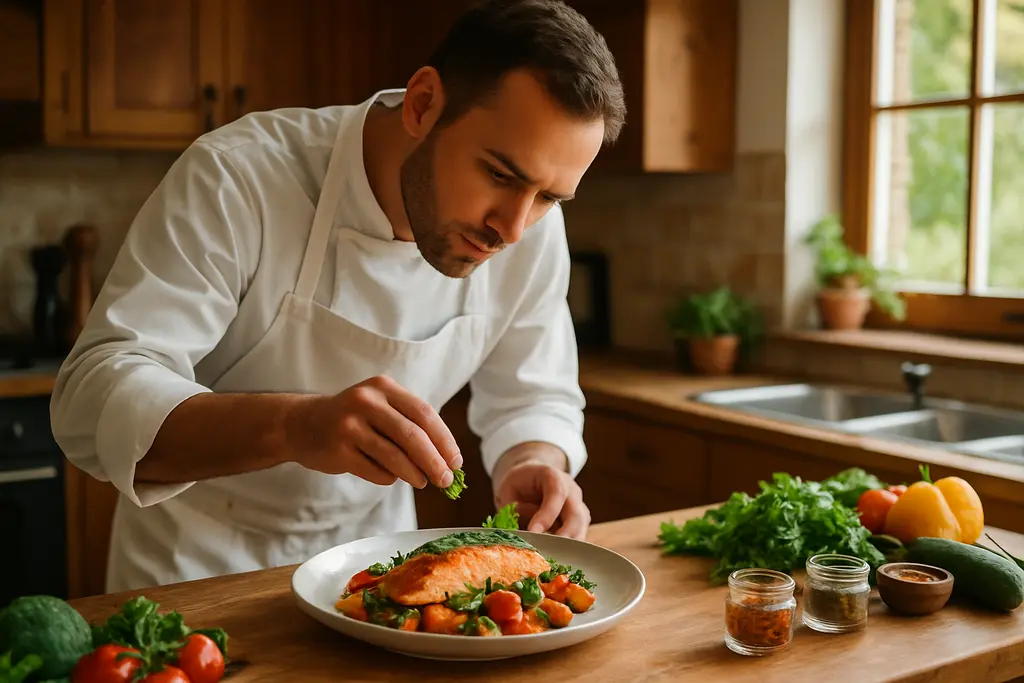
Private Chef Offerings become more valuable when the planning is specific. The Pickled Beet describes Chef Triebe’s cooking style as rooted in modern French cuisine with Mediterranean influences, with attention to seasonality, balance, and clean, expressive flavors. For a host, that kind of stated style helps set expectations. It tells guests whether the meal may lean bright and herb-driven, rich and sauce-focused, or produce-forward.
That is also how I think about strong coffee service in a dining setting. A good espresso after dinner is not an afterthought; it fits the meal’s pacing. A private chef experience works the same way. The strongest events usually have a throughline, whether that means citrus, herbs, seafood, smoke, or local vegetables. If a chef cannot describe the meal’s point of view in plain language, the host may want to keep asking questions.
Michelin Training In A Private Kitchen
Chef Triebe’s background is central to The Pickled Beet’s service expansion. The reported leadership roles include L’Atelier de Joël Robuchon, Palm d’Or at The Biltmore, Alinea, and Etxanobe. Those are fine dining institutions associated with Michelin recognition, but the practical question for diners is not just where a chef has worked. It is how that training shows up in the meal.
In a private kitchen, fine dining training can affect prep lists, plate timing, sauce work, portion balance, and how a team adjusts when a home kitchen does not behave like a restaurant line. The home setting has its own limits: oven size, counter space, serving ware, refrigeration, and guest flow. A chef with high-level restaurant experience still needs a clear plan for the actual room where dinner will happen.
How Technique Becomes Signature Dishes
The Pickled Beet’s past 2026 FIFA World Cup catering menu gives a concrete look at how the company framed signature dishes. The tournament ran from June 11 to July 19, 2026, and included matches in Miami at Hard Rock Stadium. During that period, The Pickled Beet offered organic catering for viewing parties, vacation rentals, hotels, and homes, with dishes such as wild caught fish, organic soups and salads, Key West Shrimp Cocktail, Mojo Marinated Lechon Asado, and Grass-Fed Filet Mignon with Marsala caramelized onions and cheesy scalloped potatoes as described by EIN Presswire.
Because those events have already passed as of August 20, 2026, they are best read as examples rather than invitations. For Hudson Valley hosts, the menu details are useful because they show range: seafood, Latin-inspired pork, steakhouse-style comfort, and lighter soups and salads. A private chef menu does not need to be one-note. It can move between familiar party food and more composed dishes, as long as the chef explains how each course fits the occasion.
Menus, Sourcing, And Service Questions
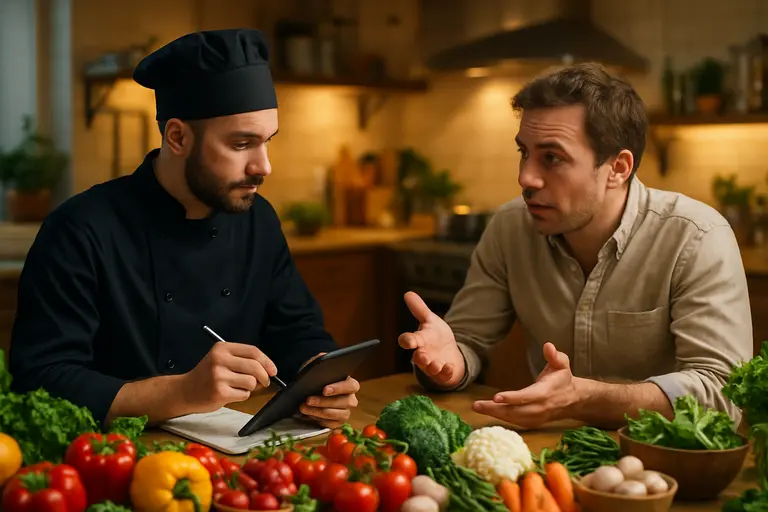
The Pickled Beet continues to describe its work through a “Food as Medicine” philosophy and reports sourcing organic, local, wild-caught, and grass-fed ingredients while accommodating dietary restrictions, food allergies, and medical conditions. It also reports using a dedicated Celiac-safe commercial kitchen for personalized meals and catering. Those statements are meaningful, but diners should still ask direct questions before booking any chef service. Food allergy and gluten-related needs require clear procedures, not casual reassurance.
Hudson Valley diners already know that local sourcing can mean different things depending on the month. Summer tomatoes, fall squash, storage apples, pasture-raised meats, and regional cheeses each ask for different cooking choices. If a chef says the menu is seasonal, ask which farms, purveyors, or ingredients are shaping the menu for your date. If a menu price cannot be explained by ingredient quality, labor, travel, prep time, and staffing, it may not be specific enough.
Questions To Ask Before Booking
Use Private Chef Offerings as a conversation, not just a purchase. A host should feel comfortable asking practical questions before sending a deposit or confirming a date.
- Who designs the menu, and will the chef cooking the event be the same person who planned it?
- How are dietary restrictions, allergies, and gluten-free requests documented and confirmed?
- What equipment, refrigeration, counter space, and serving pieces must be available on site?
- Are staffing, cleanup, travel, gratuity, and rentals included in the quoted price?
- Can the chef explain the signature dishes and why they suit the season and guest count?
This is where The Pickled Beet’s model is relevant for Hudson Valley entertaining. It points to a more organized way of hosting, one where the menu, sourcing, and service plan are connected. Readers comparing home dining ideas can also read our practical piece on private chef booking questions. For those interested in a wider range of dining insights, De Novo Montclair provides additional coverage from a related site in the same network.
Private Chef Offerings For Hudson Valley Hosts
Private Chef Offerings should be judged by how well they serve the guests, not by buzzwords or a chef biography alone. The Pickled Beet’s hiring of Chef Triebe shows how Michelin-trained experience can support a broader service program, but hosts still need to look closely at the details: menu clarity, ingredient sourcing, allergy procedures, staffing, timing, and whether the food suits the room.
For Hudson Valley diners, the takeaway is practical. Ask for a sample menu built around your date, not a generic list of dishes. Ask how the chef handles coffee, dessert pacing, wine service if applicable, and leftover packaging. Ask what happens if the kitchen is smaller than expected. A polished private dinner should feel relaxed for the guests because the hard planning happened earlier.
The Pickled Beet’s 2026 expansion gives hosts a helpful standard to study. The strongest home dining experiences are personal without being vague, seasonal without being random, and chef-led without ignoring the needs of the table. That is where restaurant discipline can make a private meal feel generous, thoughtful, and fully suited to the occasion.