Beverage Trends 2026: Value And Health Menus
Beverage Trends 2026 has been especially useful for Hudson Valley diners who want their coffee, mocktail, tea, soda, or brunch drink to feel worth the extra line item. National beverage research published in 2026 pointed to two clear forces: people still want flavor and café-style pleasure, but they are reading menus with sharper eyes for value, ingredients, sugar, and variety.
For local dining, that does not mean every café from river towns to village main streets will make the same choices. It means diners can walk in with better questions. A $7 latte, a seasonal spritz, or a lower-sugar house soda now has to explain itself through flavor, preparation, portion, or pairing. The most helpful menus will make those choices easy to understand before anyone orders.
What Beverage Trends 2026 Means For Menus
Beverage Trends 2026 And Drink Variety
The National Restaurant Association’s beverage report, published on August 25, 2026, found that restaurant operators saw drinks as more than add-ons. In the report, 87% of full-service restaurant operators and 80% of limited-service restaurant operators said beverages could significantly increase visits, according to the National Restaurant Association. That matters for diners because beverage lists may get more attention from owners, chefs, and bar teams.
The same report said about 71% of Gen Z and millennial consumers felt their favorite restaurant beverages offered flavor experiences that could not easily be made at home. Nearly 70% of younger adults wanted more beverage variety on menus. For a Hudson Valley brunch table, variety might be the difference between ordering plain coffee and choosing a drink that feels tied to the meal: a crafted espresso drink, a fruit-forward nonalcoholic option, or a tea that is presented with the same care as a cocktail.
Why Drinks Now Carry More Menu Weight
Menus have limited space, and diners have limited patience. If drinks are being used to bring people in, restaurants need to make the section easy to read. Clear names, simple ingredient notes, and visible choices for sweetness level can help guests decide faster. That is especially useful during brunch, when one table may include coffee drinkers, people avoiding alcohol, guests watching sugar, and friends who want something seasonal.
For diners, Beverage Trends 2026 is not a command to spend more. It is a reminder to judge the drink list the same way you judge the food menu. Does the description tell you what is actually in the glass? Is the drink built around flavor, caffeine, refreshment, or pairing? Is it special because of preparation, or only because it has a trendy name? Those questions help separate a satisfying order from a forgettable one.
Value Pressures Behind Coffee Choices
Why A Cafe Drink Has To Earn The Trip
Value is not always the lowest price. In coffee and drinks, value can mean a balanced espresso, a generous pot of tea, a nonalcoholic drink that feels complete, or a brunch pairing that prevents a second stop elsewhere. Hudson Valley diners are practical; many already compare café visits with what they can brew at home. If a restaurant wants guests to order a specialty beverage, the menu should make the reason clear.
This is where operators can learn from how people actually dine. A guest may accept a higher price if the drink gives them something they cannot assemble quickly in their own kitchen. That could be texture, temperature, garnish, a thoughtful flavor pairing, or a lower-sugar build that still feels satisfying. Diners do not need every technical detail, but they do need enough information to feel comfortable spending.
Smart Questions Before Ordering
Before booking brunch or choosing a café table, look at the drink section online if one is posted. Menus that show options clearly can reduce guesswork, especially for groups. If the restaurant does not list details, a polite question at the counter can save money and disappointment.
- Ask whether a specialty coffee or tea can be served less sweet.
- Check whether the drink is small, standard, or shareable before ordering.
- Ask if nonalcoholic drinks are built to order or poured from a packaged base.
- Look for ingredient notes if you are choosing based on sugar, caffeine, or dairy preference.
- Compare the drink with the meal: a rich brunch dish may call for something lighter, while a simple pastry may pair well with a crafted coffee.
Readers planning weekend brunch can also use our notes on value brunch trends to think about portions, drinks, and menu tradeoffs before reserving. If your café plans also take you into North Jersey, our related network site De Novo Montclair offers another point of comparison for dining culture outside the Hudson Valley.
Health-Led Drinks Without Overpromising
Ingredient Awareness At The Counter
The EY Consumer Beverage Survey, released on March 9, 2026, found that 58% of U.S. consumers were paying close attention to ingredients in drinks. It also reported that 52% said they were willing to pay more for beverages that supported their health and wellness goals, while 66% were choosing lower-sugar or lower-calorie drinks, according to EY. Those figures explain why diners are seeing more menu language around sugar, ingredients, and lighter options.
That does not mean a café drink should be treated as medical advice. A drink can be lower in sugar, caffeine-free, dairy-free, or ingredient-focused without promising health outcomes. Diners should be cautious around vague claims and should ask simple questions instead: What is sweetening the drink? Can it be made unsweetened? Is the flavor coming from syrup, fruit, tea, spice, or another ingredient?
Lower Sugar, Flavor, And Satisfaction
The best practical lesson from Beverage Trends 2026 is that health interest and flavor interest are not separate conversations. Many diners want both. A drink with less sugar still needs balance. A functional-sounding beverage still needs to taste good. A coffee drink with added flavor should not hide weak coffee. This is where guests can gently push menus in a better direction by ordering drinks that are clear, balanced, and fairly described.
For Hudson Valley restaurants, plain language can build trust. Instead of leaning on broad wellness phrasing, menus can state what the guest will taste: citrus, spice, roast, bitterness, creaminess, tartness, or sweetness. Diners can then match the drink to their own preferences without needing to guess.
Hudson Valley Cafe Clues To Watch
Seasonal Flavor As A Practical Signal
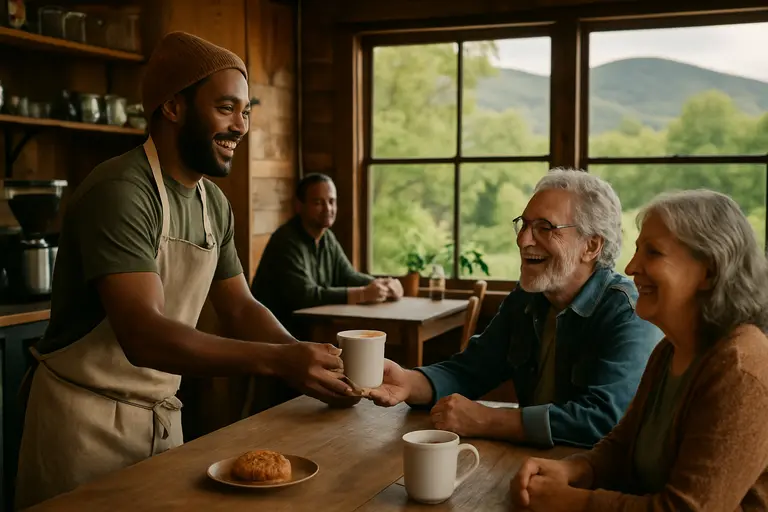
Seasonal drinks can be fun, but they are also a test of menu clarity. If a café lists a limited-time coffee or nonalcoholic drink, look for a description that explains the flavor and sweetness level. A seasonal name alone may not tell you whether the drink is bright, creamy, spiced, bitter, or dessert-like. If the menu is unclear, ask before ordering, especially if you are choosing the drink as part of a full meal.
Drink variety can also help groups. One person may want espresso, another may prefer a lower-sugar soda, and someone else may want a nonalcoholic drink that feels as celebratory as a cocktail. A strong beverage menu does not need to be long. It needs to be legible, balanced, and useful for real tables.
How To Read A Drink Menu Before Booking
Before choosing a brunch spot, scan for three things: variety, clarity, and fit. Variety means more than hot coffee and orange juice. Clarity means the menu explains what is in the drink. Fit means the drink list works with the food. A savory breakfast sandwich, a sweet pastry, and a long lunch all call for different beverages.
For diners who care about value, check whether the menu offers a simple coffee option alongside specialty drinks. For diners who care about ingredients, check whether the menu lists sweeteners, dairy alternatives, caffeine-free choices, or lower-sugar builds. For diners who care about flavor, look for drinks described by taste instead of trend language.
Beverage Trends 2026 For Hudson Valley Diners
Beverage Trends 2026 gives Hudson Valley diners a practical way to read coffee and drink menus before ordering. The strongest choices will combine clear value, satisfying flavor, and honest ingredient information. Diners do not need to chase every new beverage idea. They only need to ask whether the drink earns its place at the table.
For cafés and restaurants, the message is just as direct. Drinks can bring people in, but only if guests understand what they are paying for. A thoughtful beverage menu can make brunch feel more complete, help groups order with less friction, and give regulars a reason to return without relying on novelty alone.