
Local Brunch Sourcing at New Brunch Spots
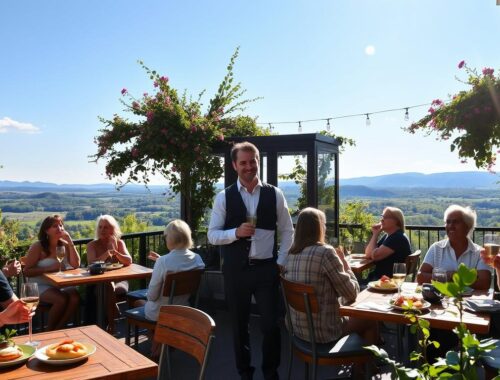
For Hudson Valley diners who plan weekend meals around farmers markets, orchard drives, and cozy cafe tables, local brunch sourcing is becoming one of the clearest signs that a new brunch spot is taking its menu seriously. The current research does not identify specific new Hudson Valley brunch openings tied to this topic, so the most useful approach is to read national dining trends carefully and apply them to local booking decisions here at home.
That means asking better questions before making a reservation, reading menus for specific sourcing clues, and understanding that “local” should mean more than a pleasant phrase on the wall. A brunch place can point to nearby farms, seasonal produce, regional dairy, local beverages, or a smaller menu that changes as ingredients shift. For diners, the payoff is practical: fewer surprises, clearer expectations, and a better sense of whether a restaurant’s sourcing values match the meal you want.
Why Local Brunch Sourcing Matters
National restaurant data gives a strong reason to pay attention. The National Restaurant Association reported that 64% of U.S. adults say locally sourced food is important when choosing a table-service restaurant. Among adults who value local sourcing, 41% said they care because it supports farms and food producers in their community, while 22% pointed to freshness and 17% to perceived higher quality, according to the State of the Restaurant Industry 2025 report.
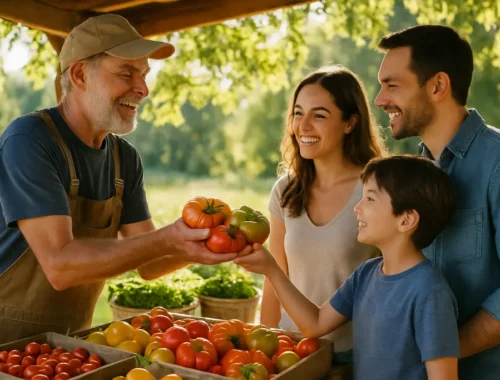
Those numbers fit the way many Hudson Valley diners already think about brunch. A Saturday table in Rhinebeck, Kingston, Beacon, Poughkeepsie, or Hudson often sits near farm stands, bakeries, cider producers, and small food businesses. Diners here are used to seeing local apples, greens, cheeses, eggs, breads, and seasonal preserves show up in casual meals. The key is knowing whether a new brunch spot is naming those connections clearly or using general language that leaves too much unanswered.
Local Brunch Sourcing On The Menu
A menu that supports local brunch sourcing usually gives diners more than a broad promise. Look for farm names, nearby towns, producer details, seasonal ingredient notes, or a short explanation of why a dish changes. If a cafe lists a rotating vegetable hash, house pastry, grain bowl, omelet, or breakfast sandwich without naming every ingredient, that does not automatically mean the sourcing is weak. It does mean you may want to ask what is local that week.
The International Food Information Council found that 59% of Americans say knowing where food comes from is important, up from 51% in 2017, and 54% want food to be consistently available locally, according to IFIC’s 2025 Food & Health Survey coverage. For brunch diners, that interest often shows up in simple choices: coffee before noon, eggs with greens, a pastry to split, or a lunch-leaning plate built around what is in season.
What New Brunch Menus Are Signaling
The research notes point to several 2026 openings outside the Hudson Valley that show how new brunch concepts are presenting local sourcing. MAKE Cafe opened in Normal Heights, San Diego, in summer 2026 with breakfast, brunch, and lunch in a counter-service format, and its farm supplies many of the dishes. Summerland opened in Atlanta in late summer 2026 around chef Anne Quatrano’s 60-acre family farm roughly 45 miles from the city, with brunch and lunch dishes that change with the seasons. Cafe Origen soft opened in St. Petersburg’s Edge District on October 28, 2026, serving breakfast and lunch from 8 a.m. to 3 p.m. daily in a counter-service format using organic, locally sourced ingredients, with dinner planned for January 2027.
These are not Hudson Valley booking recommendations, and diners should not treat them as local options. They are useful examples of how newer brunch businesses are framing sourcing as part of the dining experience. Counter-service does not rule out thoughtful sourcing. A farm connection can shape a menu without making it formal. Seasonal dishes can be part of brunch and lunch rather than reserved for dinner.
Seasonal Menus May Be Shorter
A locally focused brunch menu may have fewer choices than a large all-day menu. That can be a positive sign if the restaurant explains what changes and why. Seasonal brunch can mean a vegetable side that shifts weekly, a fruit topping that follows the harvest, or a lunch plate that changes more often than the permanent staples. For Hudson Valley diners, that rhythm should feel familiar. Local farm markets work the same way: the best plan is to stay flexible and ask what is especially good that day.
For more regional context, the site’s look at local sourcing trends offers helpful ways to read brunch menus with sharper questions. I like this habit because it keeps the focus on real details rather than mood words. A menu does not need to name every supplier to be worthwhile, but staff should be able to explain the local ingredients they are featuring.
Practical Clues Before You Reserve

Before booking a new brunch spot, check the restaurant’s official website, reservation page, or current menu if available. Social posts can be useful, but menus change quickly, and older photos may not reflect what is being served on your visit date. If hours, pricing, or reservation rules are not clear, call or message the restaurant directly rather than relying on copied listings.
- Look for producer names, farm locations, or seasonal notes tied to specific dishes.
- Ask what ingredients are local that week, especially eggs, dairy, greens, fruit, bread, and beverages.
- Confirm brunch hours before traveling, since breakfast, brunch, and lunch service may overlap differently at each cafe.
- Check whether the menu is counter-service, full-service, or a hybrid model so your group knows what to expect.
- Ask about substitutions politely, since smaller seasonal menus may have less flexibility.
Transparency Without The Sales Pitch
The strongest brunch spots make sourcing clear without turning the meal into homework. A chalkboard listing a farm, a server who can answer a question, or a menu note about a rotating seasonal dish can be enough. Be cautious with vague claims that never connect to a place, producer, or ingredient. Words like “farm fresh” can sound appealing, but they are more useful when tied to something diners can verify.
Community ties can also extend beyond the plate. A cafe might feature local coffee, cider, flowers, ceramics, or bakery partnerships. Those details matter in the Hudson Valley because dining out often supports several small businesses at once. Readers who compare regional dining communities may also enjoy how De Novo Montclair, a related site in our network, shares insights on restaurants beyond the valley.
Local Brunch Sourcing Expectations Before You Book
The most realistic expectation for local brunch sourcing is not perfection. It is clarity. A restaurant may source some ingredients nearby while relying on broader distributors for others. Weather, seasonality, staffing, and cost can all affect what appears on a brunch menu, and the available research does not support assuming that every new brunch spot can source every item locally.
For diners, the best move is to reward clear communication. If a restaurant tells you which farms or producers are represented, what changes seasonally, and how often the menu is updated, you have a stronger basis for choosing that table. If a place cannot answer basic sourcing questions, you can still enjoy the meal, but you should treat the local claim with care.
Hudson Valley brunch culture is especially well suited to this kind of curiosity. We have the farms, weekend habits, and local food interest to make sourcing part of the conversation without making brunch feel stiff. The next time a new cafe promotes local brunch sourcing, read closely, ask kindly, and book the spot that gives you the clearest picture of what is on the plate.