Solo Dining Experience Tips For Hudson Valley
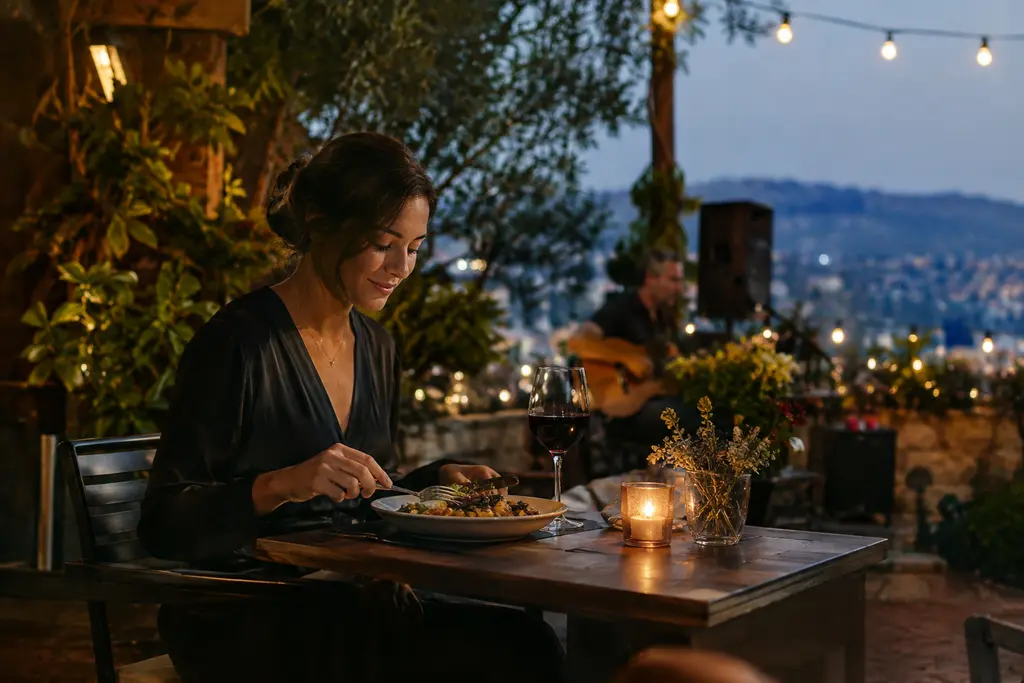
The solo dining experience has moved from an occasional convenience to a clear dining pattern. OpenTable data comparing June 1, 2025–June 30, 2026 with June 2, 2024–July 1, 2025 showed a 23% increase in party-of-one reservations, and those diners spent an average of $94 per person, compared with $60 across all party sizes, according to Axios reporting on OpenTable data. For Hudson Valley diners, the useful question is not whether eating alone is acceptable. It is how to choose a room, seat, time, and dish that make the meal feel intentional.
That matters in a region where dining plans can range from a quiet cafe stop to a full-service dinner after a day in Beacon, Kingston, Rhinebeck, Newburgh, Hudson, or smaller river towns. A table for one asks different questions of a restaurant. Is the bar comfortable for a full meal? Is there a two-top that does not feel stranded near a service path? Does the menu offer a signature dish that works without sharing? Those practical details shape the meal before the first coffee, cocktail, or plate arrives.
Why The Solo Dining Experience Is Growing
The national numbers point to a real shift, though the scale still deserves context. Toast reported that reservations for one rose 22% in Q3 2025 compared with Q3 2024, while single-person reservations remained less than 1% of total booked reservations on its platform, based on Toast restaurant trend data. That tells diners two things at once: more people are booking alone, but restaurants may still treat these reservations as a small part of the dining room plan.
Solo Dining Experience Data Diners Can Use
For a diner, the data is useful because it takes some social pressure out of the decision. A reservation for one is not an odd request. It is a growing booking type, even if it is still a modest share of total reservations. If a restaurant accepts online reservations, the party-size selector is often the cleanest first step. If the system does not show availability for one, calling the restaurant can clarify whether bar seating, counter seating, or a small table is possible.
The spending numbers also help explain why restaurants have reason to take solo guests seriously. The Axios-reported OpenTable figure of $94 per solo diner suggests that some guests eating alone are not simply grabbing the fastest option. They may be ordering a composed plate, a drink, dessert, or coffee. That kind of check can support a dining room while giving the guest a meal with the pacing and care usually associated with larger parties.
Why Restaurants May Still Vary
Because single-person bookings remain a small share of total reservations in the Toast data, diners should expect variation. One restaurant may have a bar set up for a full dinner. Another may have a room designed around two- and four-person tables. Neither detail makes a place good or bad for a table for one by itself. The better question is whether the restaurant gives a solo guest a seat that feels purposeful rather than leftover.
What To Check Before Booking
A good solo meal often starts with a short planning check. Hudson Valley dining rooms can be intimate, seasonal, or heavily booked at peak hours. Without assuming specific policies, it is fair to ask direct questions before reserving. The goal is not special treatment; it is a seat that matches the kind of meal you want.
Reservation Questions Worth Asking
If you are booking by phone, keep the questions simple. Ask whether the restaurant seats parties of one at tables, the bar, or both. Ask whether the bar serves the full menu if you want more than a drink and a small plate. If you prefer a quieter meal, ask whether an earlier time tends to be calmer. Avoid asking staff to guarantee a mood; instead, ask about concrete choices such as seat type, menu access, and reservation timing.
- Seat type: Ask whether a table, bar seat, or counter seat is available for one.
- Menu access: Confirm whether the full menu is served where you will sit.
- Pacing: Tell the host if you want a relaxed dinner rather than a quick stop.
- Reading or laptop use: Ask before assuming a dining room is set up for work.
- Coffee service: If coffee matters to you, ask whether it is available after the meal.
For a deeper pre-booking checklist, the site’s practical piece on what to expect before booking solo pairs well with these questions. Dining room comfort is not only a Hudson Valley topic; readers comparing regional dining notes can also find related restaurant coverage at a related site in the same network.
Atmosphere Cues That Make One Seat Feel Right
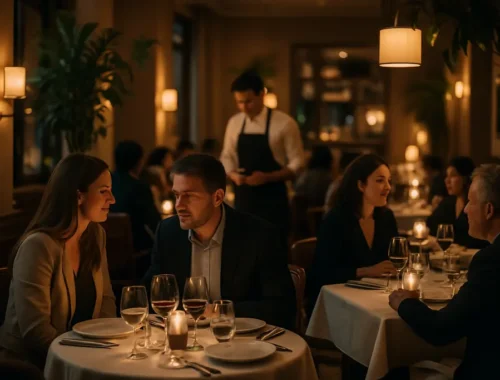
Ambience matters more when no conversation partner fills the gaps. Lighting, sound, sightlines, and service rhythm all shape whether a room feels welcoming for one. This is where practical observation helps. Photos can show bar seating, table spacing, and the general feel of a room, but they cannot always tell you how loud a Saturday dinner gets or whether a counter seat is comfortable for a full plate.
Bar, Counter, Or Small Table
A bar seat can be a strong choice for a solo diner who likes a little motion around the meal. It usually gives you a natural place to look, and it can make ordering a drink, coffee, or dessert feel easy. A counter can work the same way if it is designed for dining rather than waiting. A small table is better if you want to read, take notes, or sit without much interaction.
The right choice depends on the meal. If you are ordering a signature dish that needs a knife, fork, side plate, and drink, a cramped ledge may not be enough space. If you are stopping for coffee and a pastry, that same perch might be perfect. The solo dining experience improves when the seat supports the food, not just the reservation count.
Sound And Service Rhythm
Sound is worth thinking about before you book. A lively room can be pleasant when you want energy around you. It can also make a solo meal feel rushed if staff are moving quickly and tables are turning. If you want a slower meal, earlier dinner slots or weekday lunches may be worth asking about, without assuming any specific restaurant schedule. The key is to match your plan to the room’s likely pace.
Service rhythm matters too. A solo diner can feel ignored if no one checks in, or pressured if plates disappear too quickly. Clear communication helps. A simple line such as “I’m planning to take my time with dinner” or “I’m just here for a quick lunch” gives staff useful guidance without making the meal complicated.
Ordering For One Without Missing The House Style
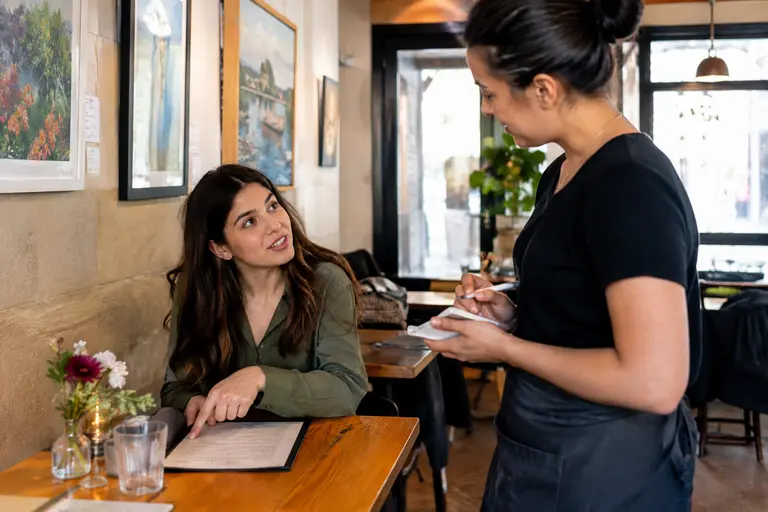
As someone who reads menus through signature dishes and coffee service, I think ordering for one is less about restriction and more about focus. You get to choose the plate that tells you what the kitchen cares about. Instead of building a shared spread, look for the dish that seems central to the menu: a pasta made as a main course, a composed fish or vegetable plate, a burger with a house sauce, a seasonal soup with a careful garnish, or a dessert paired with coffee.
How To Read A Menu Alone
Start by asking what dish the kitchen is proud to send out as a complete plate. That wording is useful because it avoids asking for “the best” item, which can be subjective. If the menu is built around small plates, ask whether two dishes are enough for one person or whether one item is closer to an entree. If coffee is part of your ideal finish, ask early enough that you can plan dessert around it.
The solo dining experience also gives diners freedom to order with precision. You do not need to compromise around spice level, seafood, dessert, or a second cup of coffee. You can order the dish that fits your appetite and curiosity. In the Hudson Valley, where menus often change by restaurant and season, that flexible approach is more useful than chasing a fixed list of dishes.
Spending With Intention
The OpenTable spending figure reported by Axios should not be read as a target. A good solo meal does not need to cost $94. The better lesson is that many people dining alone are treating the meal as worth their attention and budget. For some diners, that may mean an entree and espresso. For others, it may mean a full dinner. The practical move is to decide your plan before sitting down: quick bite, quiet lunch, bar dinner, or full evening meal.
Solo Dining Experience In The Hudson Valley
The Hudson Valley is well suited to thoughtful dining alone because many meal plans already grow out of personal time: a train ride, a gallery visit, a market stop, a hike, a bookstore afternoon, or a coffee break between errands. The national reservation data gives local diners permission to be direct. Book for one when the system allows it. Call when the seating details matter. Ask whether the full menu is available at the bar. Choose the dish that shows the kitchen’s point of view.
The best solo dining experience is not about pretending you are waiting for someone else. It is about giving one seat the same care that a larger party receives: a comfortable place, clear service, a plate worth paying attention to, and maybe a good coffee at the end. For diners across the Hudson Valley, that mindset turns a table for one into a practical and rewarding way to understand a restaurant.