Restaurant Website Trust Before You Book
Before I reserve a café table, meet a friend for espresso, or plan a low-key drinks night in the Hudson Valley, I look for restaurant website trust in the small details. A clear website cannot promise that every latte will be perfect or that the room will match your mood, but it can tell you whether the business is making useful information easy to find before you book.
For coffee and drinks venues, that matters in practical ways. A diner may need to know whether a café has evening hours, whether a bar takes reservations, whether a menu lists nonalcoholic options, or whether a small coffee shop has enough contact information for a private gathering. The research available through October 20, 2026 points to a simple pattern: people trust restaurant websites more when the basics are current, the photos feel useful, and the path to booking or ordering is easy to understand.
Restaurant Website Trust Starts With Basics
The first sign of a dependable restaurant or café website is not fancy design. It is accurate, visible information. In a 2025 Reputation/CGA U.S. food and beverage consumer survey, 32% of consumers said their biggest frustration was not being able to find information such as hours, menu, or prices on a restaurant website, and 41% said a review needed to be no more than one month old to feel accurate Reputation/CGA survey. That is a direct cue for diners: if you cannot quickly confirm the basics, pause before booking.
Restaurant Website Trust Signals To Check First
A good website should let you answer ordinary dining questions without logging in, hunting through social posts, or calling during the morning rush. For a coffee shop, that may mean seeing espresso drinks, brewed coffee, tea, pastries, wine, cocktails, or small plates, depending on what the venue serves. For a drinks-focused restaurant, it may mean finding the reservation policy, hours for the bar, and whether the kitchen closes before the room does.
Useful restaurant website trust cues include a full street address, current hours, a phone number or contact form, a visible menu, and a clear note if reservations are required. If prices are shown, the guest has a better sense of whether the spot fits a quick weekday coffee, a casual date, or a larger meet-up. If prices are not listed, that absence is not proof of a problem, but it does mean you may need to ask before committing.
What To Check For Coffee And Drinks Plans
Hudson Valley dining often involves timing. A café in a village center may serve breakfast and close before dinner, while a restaurant with a strong coffee program may switch to wine, cocktails, or dessert service later in the day. Before booking, look for the date on menus or event pages, not just the menu itself. A seasonal drink list can be helpful, but only if it is clear whether it is still active.
- Confirm the hours for the exact day you plan to visit.
- Check whether reservations, walk-ins, or counter service are used.
- Look for menu categories that match your plan: coffee, tea, beer, wine, cocktails, desserts, or light food.
- Find the address and contact method before you leave home.
- Scan recent reviews or website updates for signs that information is current.
Photos, Reviews, And The Room Feel
Photos are not just decoration. For coffee and drinks venues, they help diners picture the counter setup, table spacing, pastry case, bar seating, lighting, and the kind of gathering the place seems built to host. That is especially useful in the Hudson Valley, where a cozy café, a riverside drinks spot, and a reservation-only dining room can offer very different evenings.
Photo Cues That Feel Useful
A 2023 international study on user-generated photos found that photos showing food, beverages, menus, and interiors can have a positive impact on perceived review usefulness, while photos with human faces can reduce usefulness judgments PolyU Scholars Hub. For diners, the practical takeaway is simple: useful images show what you will order and where you may sit.
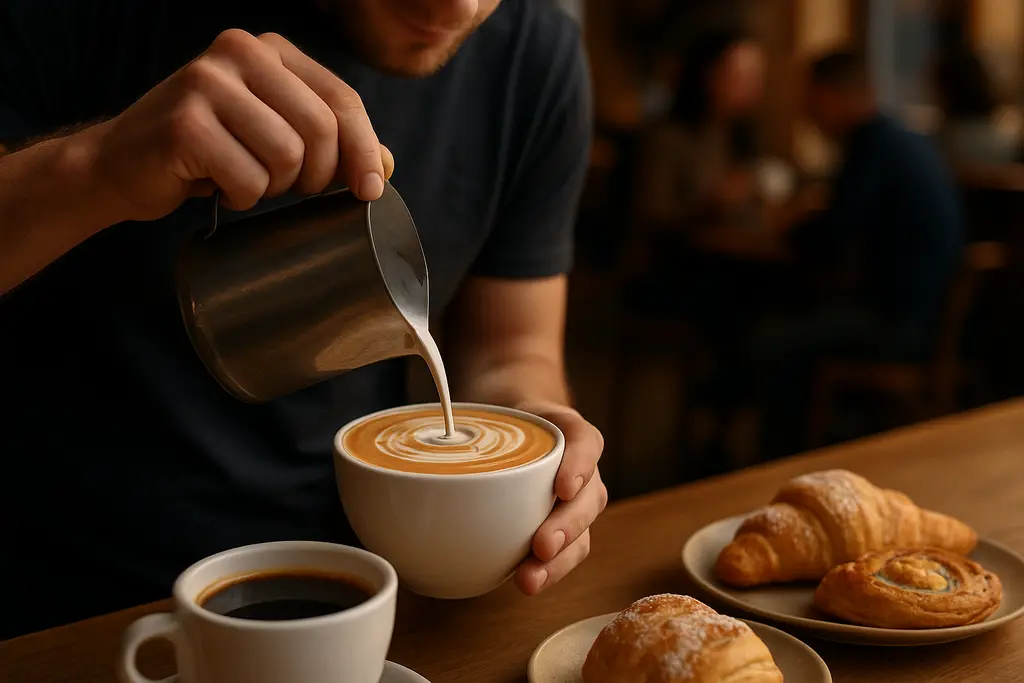
Look for a mix of drink photos, food photos if the venue serves food, and interior shots that show the actual room. A close-up of latte art is pleasant, but it does not answer whether the shop has two tables or twenty. A cocktail photo may look polished, but a wider room image helps you judge whether the spot feels right for a first date, a work chat, or an after-dinner drink.
How Recent Reviews Shape Confidence
Reviews can support restaurant website trust when they are recent and specific. A current comment about service flow, menu clarity, or reservation handling can be more useful than an old compliment with no details. Since the Reputation/CGA survey found that many consumers want reviews no older than one month to feel accurate, it makes sense to treat older feedback as background rather than proof of what is happening now.
That does not mean every café needs a constant stream of reviews on its own site. Smaller independent businesses may rely on reservation platforms, map listings, or social pages. Still, the website should connect diners to dependable, current information. If a website displays testimonials, check whether they are dated or connected to recent updates. If everything looks frozen in time, call or message before making plans.
Booking Paths For Coffee And Drinks

A trustworthy restaurant website should make the next step obvious. If the venue accepts reservations, the booking button should be easy to find. If it uses walk-in service, the site should say so. If ordering is available, guests should be able to tell whether they are ordering directly, calling ahead, or being sent to another platform.
This matters for a simple reason: guests do not want friction right before they commit. For coffee and drinks, the booking path may be lighter than a full dinner reservation, but it still needs clarity. A café hosting cuppings, tastings, pop-ups, or private events should spell out how signups work. A bar or restaurant that limits table times should say that before guests arrive.
Security, Privacy, And Payment Signals
Trust also includes the checkout or booking moment. Look for a secure web address that begins with HTTPS, a privacy policy if the site collects personal details, and payment or deposit steps that appear consistent with the restaurant’s own branding. If a site asks for card information but does not clearly explain why, take a moment to verify the policy before entering details.
For private dining, tastings, or at-home chef planning, the same habits apply. Confirm who you are contacting, what is included, how payment works, and what happens if the date changes. For readers comparing dining-room bookings with private service options, a related site in the same network to consider is Personal Chef Mall as you build your question list.
Restaurant Website Trust Before You Book
The strongest restaurant website trust signals are ordinary, but they save diners time. Current hours, a visible menu, useful photos, recent updates, direct contact details, and a clear booking path all help you decide whether a coffee shop, bar, or restaurant fits the occasion. None of these details guarantee the mood of the room, but together they show that the business understands what guests need before arriving.
My own rule is to match the website check to the plan. For a solo coffee, I need hours, address, and menu basics. For drinks with friends, I want to know whether the venue takes reservations and what the seating style seems to be. For a special gathering, I look harder at contact information, policies, payment steps, and signs that the site has been updated recently.
Hudson Valley diners are often choosing between a short coffee stop, a longer afternoon catch-up, and an evening built around drinks and small plates. A trustworthy website helps you make that choice with fewer surprises. Before you book, read the page like a guest who wants clear answers: what is served, when it is open, where it is, how to reach the team, and what happens after you press reserve.