Local Brunch Ingredients: Connect With Chefs
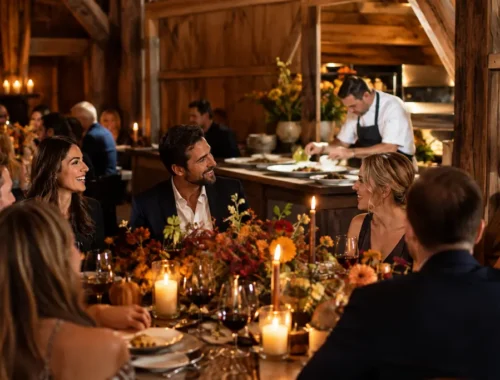
Brunch feels more personal when the table carries a sense of place. For Hudson Valley diners, local brunch ingredients are not just a menu phrase; they are a way to understand how a cafe, diner, or weekend kitchen thinks about farms, seasons, coffee service, and hospitality. A plate of eggs, bread, greens, fruit, or grain can tell you whether a chef is building a meal around what is fresh nearby or simply adding a local label where it fits.
That difference matters before you book, especially if you care about the atmosphere as much as the food. A cafe that changes specials often may require a more flexible order. A brunch room with a small kitchen may run out of a seasonal dish earlier than a larger restaurant. A chef who works closely with growers may keep the menu shorter, because the kitchen is working with what arrived well rather than stretching every item across every weekend.
Why Local Brunch Ingredients Matter
Diners Are Asking For Local Sourcing
The interest is not just anecdotal. In a 2024 U.S. diner and casual-eats trend report, 69% of consumers said they would be very or somewhat likely to dine at a restaurant using locally sourced ingredients; among Gen Z respondents, that number was 88% according to TouchBistro. That helps explain why more brunch menus now call out nearby farms, seasonal produce, regional dairy, local grains, or house-made items tied to area suppliers.
The phrase local brunch ingredients can be useful, but it is not specific on its own. Diners should read closely. Does the menu name a farm, mill, creamery, orchard, bakery, or producer? Does it say which ingredient is local, or does it simply use broad language? A clear menu makes it easier to understand what you are supporting and what the chef is trying to highlight.
Chefs Are Planning Around Seasons
Professional kitchens are also adjusting the way they plan. At a 2025 “Chefs’ Perspectives” virtual roundtable, chefs ranked local sourcing as a top trend and reported designing menus around seasonality, with some expanding cooler storage to handle fresh produce as reported by Foodservice Equipment Reports. For brunch, that can mean a tighter menu, changing sides, different fruit preparations, or specials that appear for a short run.
For diners, seasonality rewards curiosity. If a brunch dish changes from one visit to the next, that may reflect availability rather than inconsistency. The practical move is to ask what is especially fresh that day before choosing. If you are booking for a group, confirm whether the menu is fixed, seasonal, or subject to change, especially for holiday weekends or late seatings.
Reading A Brunch Menu Before You Book
What The Menu Can Tell You
A good brunch menu does not need to be long. In fact, a shorter menu can be easier for a kitchen to connect to nearby producers, though diners should avoid assuming that short automatically means local. Look for precise wording. “Local greens” tells you less than the farm name. “Seasonal jam” tells you less than the fruit and producer. “House-made” is helpful, but it is different from locally sourced.
A menu that names local brunch ingredients with care gives you a better sense of the kitchen’s priorities. If the same farm or producer appears across several dishes, the chef may be building a relationship rather than making a one-off purchase. If the menu changes by week, ask whether the restaurant posts updates online or shares specials by phone. Confirming details before booking is especially useful for diners with strong preferences, large groups, or guests who are traveling to the Hudson Valley for a single brunch outing.
Local Brunch Ingredients Questions To Ask
You do not need to interview the chef to eat well. A few polite questions can give you plenty of useful information without slowing down service. Ask early, keep the tone friendly, and remember that servers may need to check with the kitchen.
- Which dish best shows what is seasonal on the menu right now?
- Are any breads, eggs, dairy items, grains, fruits, or greens coming from regional producers?
- Does the chef change brunch specials based on market availability?
- If a dish sells out, is there another option that uses the same seasonal produce?
- For coffee drinks, are any milks, sweeteners, syrups, or baked pairings sourced nearby?
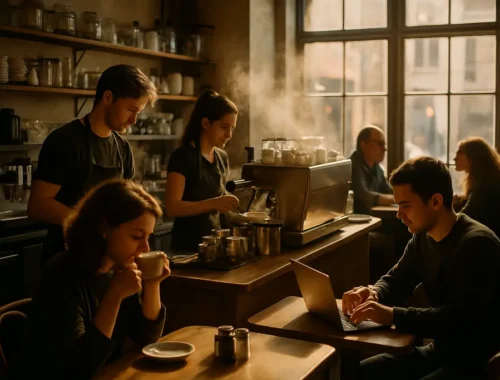
These questions work especially well in cafes, where brunch often overlaps with espresso service, pastry cases, and casual counter ordering. If the room is busy, ask one focused question rather than several. You may get a better answer, and the staff will appreciate the practical approach.
How To Connect With Chefs And Cafes

Use Markets As A Starting Point
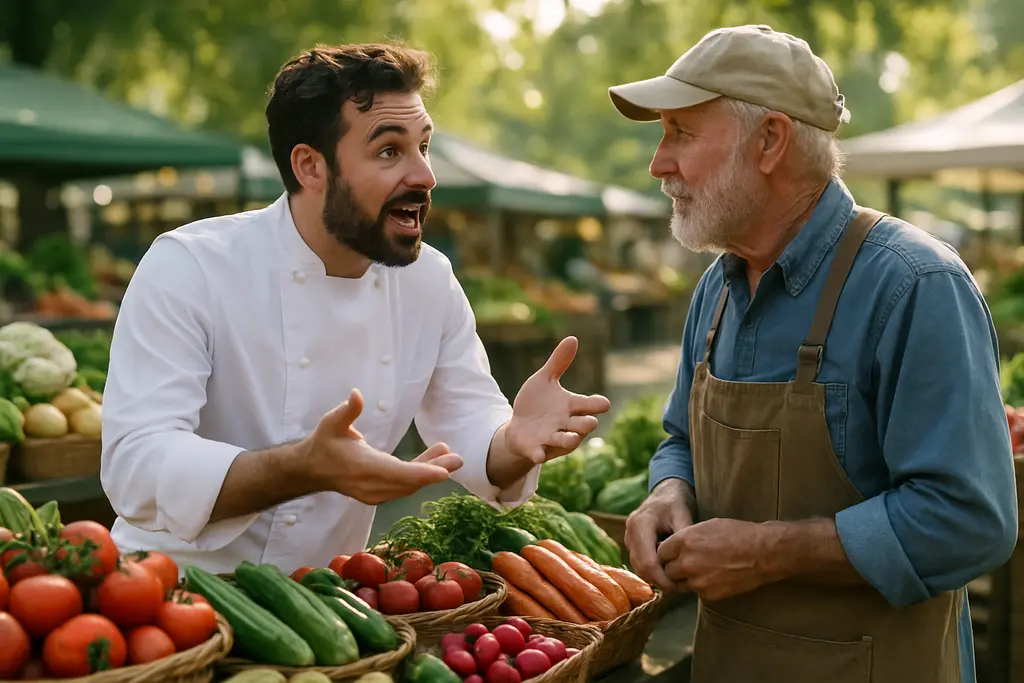
Farmers markets can help diners understand what is in season before they sit down for brunch. If you see apples, greens, mushrooms, herbs, eggs, grains, or dairy products appearing at markets, you will be better prepared to read a menu and ask informed questions. For a more practical prep step, our farmers markets brunch tips explain how market habits can shape better weekend dining choices.
This does not mean every brunch kitchen buys from the same stands you visit. Restaurant purchasing depends on quantity, delivery, storage, prep time, and price. Still, market awareness gives diners a useful seasonal vocabulary. It also helps you spot menus that make sense for the moment rather than menus that use local language without much detail.
Keep The Coffee Conversation Open
As a coffee lover, I pay close attention to how the drink side supports the meal. A warm, welcoming brunch room often reveals itself in small choices: whether the coffee service feels rushed, whether staff can describe a pastry pairing, and whether the menu treats drinks as part of the experience rather than an afterthought. If a cafe sources seasonal ingredients for food, it may also think carefully about syrups, baked goods, dairy choices, and nonalcoholic brunch drinks. Ask what is made in house and what changes with the season.
Readers interested in exploring different dining settings could look at De Novo Montclair, a related site in the same network, for insights into how dining spaces enhance the mood with their hospitality and laid-back meal experiences. The Hudson Valley has its own pace, but looking at nearby dining conversations can sharpen what you notice at home.
Local Brunch Ingredients And Chef Connections
Treat local brunch ingredients as the start of a conversation, not a guarantee. The strongest brunch experiences often come from asking clear questions, reading menus closely, and giving chefs room to cook with what is available. If a restaurant names its producers, explains seasonal changes, and trains staff to speak plainly about sourcing, diners gain confidence before the first cup of coffee hits the table.
For your next Hudson Valley brunch, choose one practical goal. Ask about one seasonal dish. Compare a posted menu with the specials board. Notice whether the coffee, pastry, and savory plates feel connected. If you are booking for others, call ahead and ask whether the brunch menu changes by date or availability. That small step can prevent disappointment and help you find kitchens that are serious about local relationships without making unsupported assumptions.
The payoff is a more grounded meal. You may learn which farms are shaping the plate, which ingredients are at their peak, and which chefs welcome thoughtful questions. That kind of connection makes brunch feel less like a routine reservation and more like a shared Hudson Valley table.