Restaurant Design Trends for Memorable Meals
Restaurant Design Trends now affect far more than the look of a room. For Hudson Valley diners, the design of a cafe, bar, or dining room can shape whether a meal feels relaxed, hurried, social, private, photo-ready, or worth the extra spend. As someone who spends a lot of time thinking about coffee counters, soft lighting, and the small cues that make a room feel welcoming, I look at design as part of hospitality rather than decoration alone.
The useful question is not whether a restaurant looks fashionable. The better question is whether the room helps you enjoy the meal you came for. A solo espresso at the counter, a long dinner with friends, and a family birthday table all ask different things from the space. Diners can read those clues before booking by paying attention to seating type, lighting, noise cues, table spacing, and how clearly the restaurant presents its experience online.
Restaurant Design Trends Diners Can Read
Why Photogenic Rooms Matter
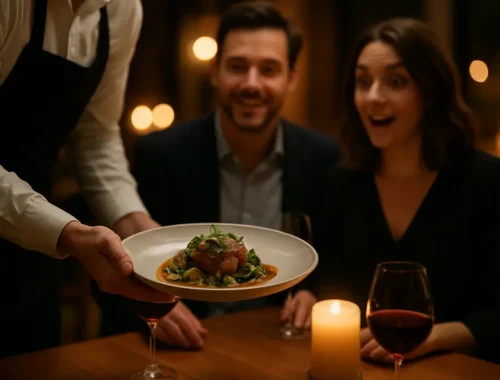
OpenTable’s Restaurant Design Trends for 2026 reported that 58% of Americans say a restaurant’s “Instagram/TikTok worthiness” is important when choosing where to dine, and 25% say it is extremely important, according to OpenTable design research. That does not mean every Hudson Valley dining room needs dramatic walls or theatrical lighting. It means many guests now judge the room before they reach the host stand, often from reservation photos, social posts, and images shared by past diners.
For practical diners, photo appeal is worth reading carefully. A room that photographs well may still be too loud, too dim, or too tightly seated for your plan. Look beyond the most eye-catching corner. Scan images for table size, aisle width, bar stools, window light, and whether plates seem easy to share. In cafes, I pay close attention to whether the counter area looks like a quick pickup zone or a place where people can comfortably pause over a cappuccino.
Cozy Signals That Feel Local
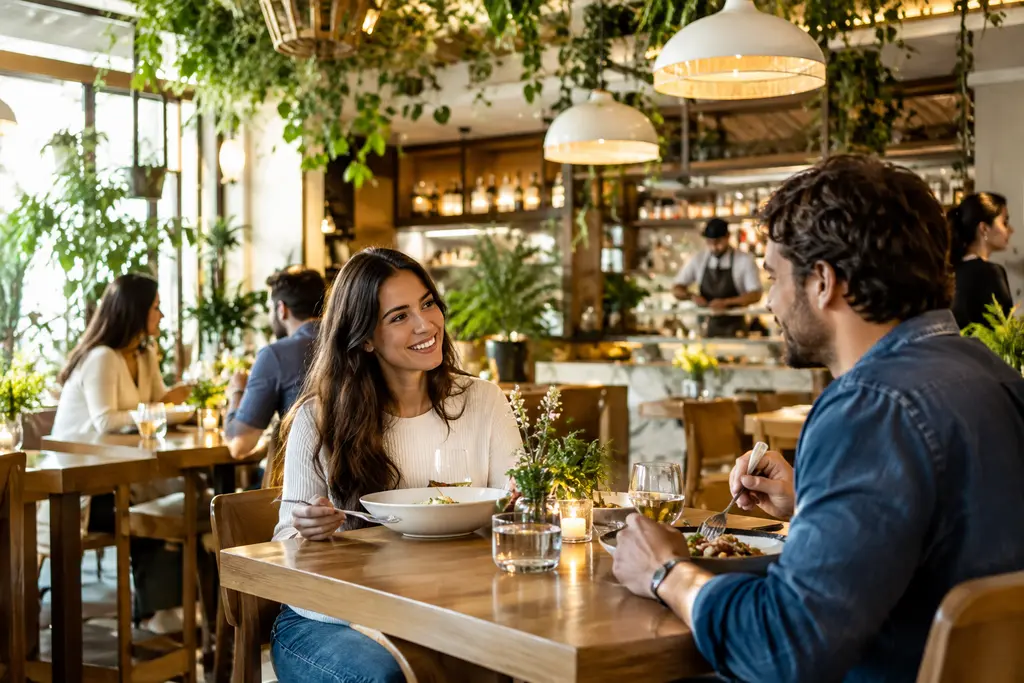
The most useful design cues are often simple: warm light, visible wood tones, comfortable chairs, clean tabletops, and a room that feels cared for. Hudson Valley diners tend to move between small-town cafes, farm-adjacent restaurants, taprooms, and date-night dining rooms, so “memorable” rarely means flashy by default. It often means the room matches the reason for the visit.
If you are booking for conversation, look for photos showing banquettes, corner tables, curtains, acoustic panels, rugs, or smaller dining zones. If you want a quick drink and snack, a bright counter or bar seat may work better. Restaurant Design Trends are most helpful when they give diners a way to match atmosphere with purpose before they commit to a reservation.
Seating Choices That Change The Meal
Restaurant Design Trends At The Counter
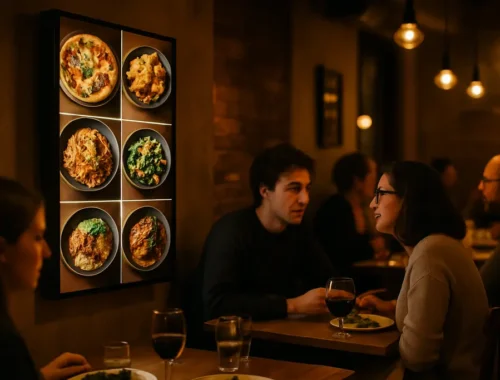
OpenTable data comparing January through August 2025 with the same period in 2024 found that reservations for counter seating rose by 26% year over year, while bar seating rose by 23%. Those numbers match something many cafe lovers already understand: the counter can be one of the most engaging seats in the room. You can see drinks being built, hear the rhythm of service, and enjoy a meal without the formality of a full dining table.
Counter seating is especially useful for solo diners and couples who like a livelier perch. It can also be less ideal for guests who need back support, more elbow room, or quiet conversation. Before booking, check whether the restaurant distinguishes between bar, counter, high-top, standard table, patio, and private seating. Those labels matter. They tell you not just where you will sit, but how the meal may feel.
What To Ask Before Booking
A little planning can prevent the wrong kind of memorable meal. If the reservation page lets you request seating, be specific without being demanding. Restaurants cannot promise every request, but clear notes help staff understand your needs.
- Ask whether counter seating has full menu service or a shorter food menu.
- Ask whether the bar area is louder than the main dining room.
- Ask whether outdoor or patio seating is weather dependent.
- Ask whether the room can handle a stroller, mobility aid, or larger party comfortably.
- Ask whether the lighting is very low if someone in your party needs to read a menu easily.
These questions are not fussy. They help align the room with the meal. For more cafe-specific thinking, the same practical cues show up in how coffee shop ambiance encourages guests to stay, return, or take their drink to go.
Ambience As Part Of Dining Value
Why Atmosphere Shows Up On The Bill
The Technomic Value & Pricing Consumer Trend Report found that in casual dining, “atmosphere/ambiance” was seen as a key value attribute by 80.4% of guests in 2024 and 2025, according to Technomic industry data. That statistic is useful because it treats atmosphere as part of value, not as a decorative extra.
For diners, value is not only portion size or menu price. It is also whether the room supports the reason you went out. A well-paced dinner in a comfortable chair can feel fair at a higher price than a rushed meal in a harsh room. A coffee shop with thoughtful lighting and enough space between tables may earn repeat visits even when the drink menu is simple.
Lighting, Coffee, And Time Of Day
Lighting changes a dining room more than many people realize. Morning coffee benefits from brightness that feels awake and clean. Late-afternoon pastry service can feel softer and slower. Dinner usually asks for warmer light, especially if the restaurant wants guests to relax rather than move quickly through the meal.
Before booking or choosing a walk-in cafe, scan photos by time of day when possible. A room with big windows may feel wonderful at breakfast and very different after dark. A bar that looks moody in evening photos may be perfect for a nightcap but less comfortable for a family meal. Restaurant Design Trends can point owners toward better rooms, but diners still benefit from reading the setting with their own plans in mind.
Practical Reading Before You Reserve
Visual Appeal Versus Comfort
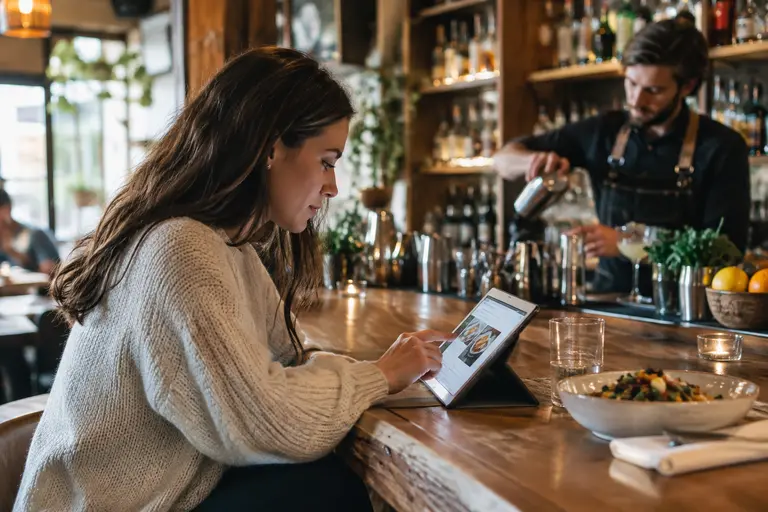
A beautiful dining room can still be uncomfortable if the seating is stiff, tables are too close, or the music level fights conversation. The best pre-booking research is simple: compare the restaurant’s official photos with recent guest photos, then look for repeated design clues. Are most images taken from one dramatic corner, or do they show the whole room? Do seats appear cushioned? Are two-top tables wide enough for shared plates and drinks?
For coffee, I look for outlet placement less than I look for posture. If everyone in a cafe photo is hunched over tiny tables, I assume it is better for a quick espresso than a long writing session. If the room shows varied seating, including small tables, soft chairs, and counter spots, it may serve more kinds of visits.
Group Needs And Quiet Corners
Group dining needs a different design read. A birthday dinner may benefit from energy, but a family meal with older relatives may need lower sound, easier seating, and clearer pathways. Private or semi-private spaces are not always visible from the main reservation page, so it is reasonable to call and ask what is available.
Readers who compare cafe mood beyond the Hudson Valley can apply the same questions to nearby dining communities, including the local charm of De Novo Montclair. The details change from town to town, but the practical test stays the same: can the room support the meal you want to have?
Restaurant Design Trends For Hudson Valley Meals
A Practical Cafe Test
Use Restaurant Design Trends as a diner’s checklist rather than a style scorecard. Before you book, ask what kind of meal you want: quick, quiet, celebratory, scenic, social, or slow. Then match that goal to the room. Counter seating can make a meal feel lively. Softer lighting can stretch a dinner into a calmer evening. Clear table spacing can make a casual lunch feel more generous. A photo-friendly corner can be fun, but comfort is what keeps the memory pleasant after the camera is put away.
Hudson Valley dining works best when atmosphere and hospitality meet in practical ways. The room should help the coffee taste unhurried, the conversation feel easy, and the meal match the occasion. That is the design trend worth caring about most: not the loudest look, but the space that lets diners feel they chose well.