Chefs For Families and the At-Home Table
Personalized in-home cooking has moved from a special-occasion luxury toward a practical weekly option for some households, and Chefs For Families is part of that shift. For Hudson Valley diners who care about signature dishes, coffee after dinner, local ingredients, and the rhythm of eating at home, the main question is not whether a chef can cook well. It is whether the service fits the way a household actually eats from Monday through Friday.
On August 12, 2026, Chefs For Seniors, Inc. launched a new service for busy households, working professionals, couples, and individuals nationwide. The service sends a local professional chef to shop, cook multiple customized meals in the client’s home, package them for reheating during the week, and leave with much of the cleanup done, according to the launch announcement carried by Morningstar. That structure matters because it sits between restaurant takeout, meal kits, and full private dining.
Why Personalized In-Home Cooking Is Growing
Home Meals With Restaurant Thinking
The personal chef services market was estimated at USD 17.5 billion in 2025 and is projected to reach USD 28.7 billion by 2033, with a compound annual growth rate of 6.5% from 2026 to 2033, according to Grand View Research. Those figures do not tell us how many Hudson Valley households are booking a chef, and they should not be read that way. They do show that in-home cooking services are no longer a tiny side category in food service.
For the Hudson Valley table, the appeal is easy to understand. A household may want dinner that feels personal, but not another night of app ordering. A couple may want meals ready after commuting. A family may want help turning a stocked refrigerator into planned portions. A host may want a chef’s point of view without turning the evening into a formal catered event. The shared thread is control: control over timing, portions, preferred flavors, and the number of leftovers waiting in the refrigerator.
Signature Dishes Without A Dining Room
Signature dishes work differently inside a home kitchen. In a restaurant, a signature dish usually signals a chef’s fixed point of view: the plate, garnish, sauce, and pace all belong to the dining room. In an in-home weekly service, the signature idea becomes more practical. A cook may repeat a favorite braise, roast chicken, grain bowl, soup, pasta bake, or vegetable-forward entrée, but the dish has to hold well, reheat cleanly, and make sense in the client’s containers.
That does not make the food less thoughtful. It asks a different kind of question. Can the chef make a dish that tastes good on the second day? Can the sauce stay separate until reheating? Can the cook adjust salt, spice, dairy, or texture without turning the meal into something bland? Those are the details Hudson Valley diners should raise before booking any in-home cooking session.
What Chefs For Families Offers
Chefs For Families And Weekly Planning
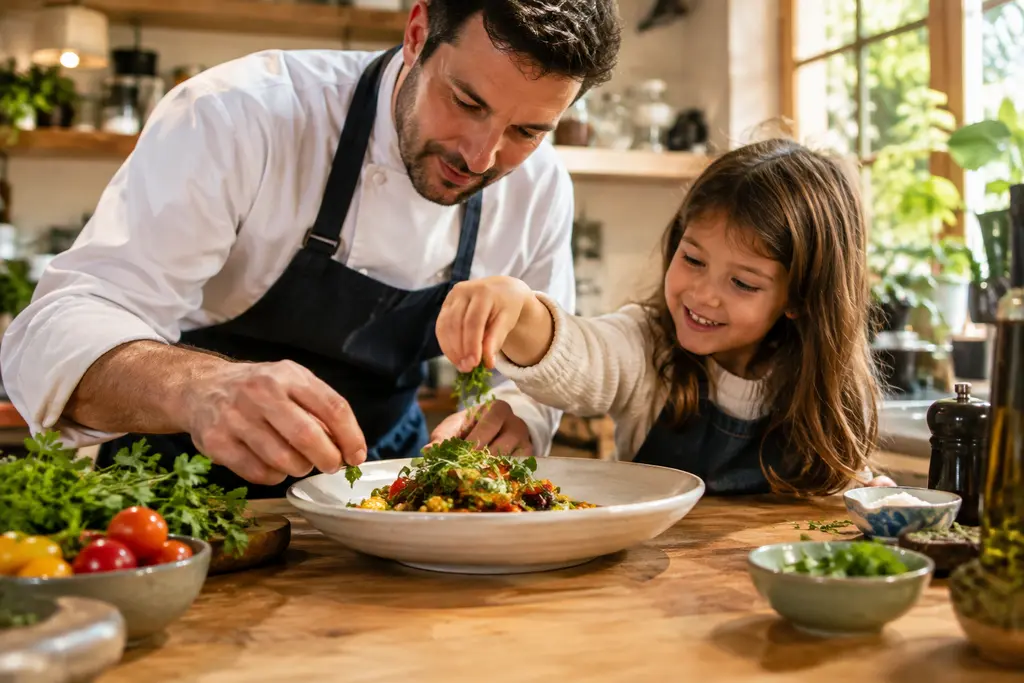
The Chefs For Families model described in the August 12, 2026 launch centers on a chef coming into the home, shopping, cooking several customized meals, packaging them, and handling much of the cleanup. That is different from a meal delivery box left at the door and different from a one-night private dinner. It is a service built around repeat meals and household routines.
For diners, the most useful way to evaluate that model is to think through an actual week. How many dinners are needed? Are lunches part of the plan? Does the household prefer composed meals, family-style containers, or ingredients that can be combined later? If breakfast or coffee pairings matter, ask whether the chef handles those items or focuses only on lunch and dinner. Some families may care deeply about a Sunday-style meal that anchors the week. Others may prefer smaller portions that reduce decision-making after work.
The service description supports the broad framework, but it does not replace a direct conversation with the provider serving your address. Hudson Valley customers should ask what is included in the quoted service, who buys ingredients, how receipts are handled, what equipment the chef expects to find, and how far in advance menus are approved.
Planning The Menu Before A Booking
Questions That Protect The Meal
A good booking conversation should sound more like menu planning than sales talk. Diners should be clear about what they enjoy, what they dislike, and which meals have to travel to work or school. If a household likes local farm produce, ask whether the chef can shop from preferred markets or if shopping is limited to specific stores. If a dish is meant to become a weekly staple, ask how it will be packed and reheated.
- How many meals and portions are included in one cooking session?
- Who selects the menu, and when does the household approve it?
- Are groceries billed separately from the chef’s service fee?
- Can the chef repeat a favorite dish with small changes each week?
- What kitchen equipment, storage space, and containers are needed?
- How are dislikes, allergies, and dietary preferences recorded?
Those questions are practical, not fussy. A chef can only cook toward a clear target. If a household says it wants “healthy food” or “comfort food,” that can mean many things. One person may picture lentil soup and greens. Another may picture roast chicken, potatoes, and a crisp salad. Better wording leads to better meals.
Reading The Signature Dish Angle
For signature dishes, ask for examples rather than promises. A chef may not have a fixed restaurant-style menu, and that can be a strength in home cooking. Still, a diner should know what the cook repeats well. Does the chef lean Italian-American, Mediterranean, vegetarian, family-style American, or simple weeknight staples? Are sauces and dressings made in the home session, or are some components bought ready-made? If those details matter to you, ask before the first date is booked.
For readers comparing in-home cooking options beyond one brand, Personal Chef Mall can be a valuable resource as another related starting point in the same network. Hudson Valley diners can also read these local Chefs For Families planning notes for another angle on questions to ask before choosing a service.
Hudson Valley Questions To Ask

Local Sourcing And Home Kitchens
The Hudson Valley has a strong food identity built around farms, markets, orchards, bakeries, coffee roasters, and independent restaurants. That does not mean every in-home chef will source from the same places or build menus around regional products. Diners should ask directly. If local produce, pasture-raised meats, seasonal fruit, or specific coffee for after-dinner service matters, put that request in writing.
It is also wise to be honest about the home kitchen. A restaurant chef works with a controlled station. A personal chef may arrive at a kitchen with limited counter space, older pans, a small refrigerator, or no sheet trays. Before the first session, explain what equipment is available and ask what the chef prefers. The better the setup, the smoother the cooking day.
Cost, Scope, And Fit
The research supplied for this topic includes several market figures from outside the Hudson Valley, but it does not provide verified local pricing for this specific service. Because of that, diners should not assume a local price from national averages. Ask for a written quote that separates labor, groceries, travel, containers, and any extra services. If the chef is cooking for several days, ask how many total servings are expected. A lower fee may not be a better value if it produces fewer complete meals.
Fit matters as much as price. A household that wants bold spice should not book a chef who prefers very mild cooking without discussing the gap. A client who expects formal plating may be disappointed if the service is designed for reheatable weekday meals. A family that needs kid-friendly portions should say so early. Clear expectations protect both sides of the table.
Chefs For Families For Hudson Valley Tables
Chefs For Families gives diners a useful lens for thinking about the next stage of at-home dining: chef skill applied to the week, not only the party. For Hudson Valley households, the smartest approach is to treat the first conversation like a menu meeting. Ask what the chef cooks well, how meals are stored, how shopping works, and whether the service fits the household’s real schedule.
For coffee lovers and signature-dish seekers, the opportunity is especially interesting. A planned meal can leave room for a favorite local roast, a simple dessert, or a reheated dish that still feels cared for on a Thursday night. The best result is not a restaurant copy in the kitchen. It is a home table with fewer rushed decisions and more meals that feel like they were made for the people eating them.