Fall Signature Drinks Shaping Local Cafés
Fall Signature Drinks are doing more than adding cinnamon to the chalkboard. For Hudson Valley café regulars, they offer a quick read on how a shop thinks about espresso, cold coffee, seasonal flavor, and the kind of room where people want to sit for a while. A drink built around apple, maple, brown butter, chai, or pumpkin can signal comfort, but the better question is how well that flavor fits the coffee beneath it.
National coffee habits help explain why these seasonal specials matter. The 2026 National Coffee Data Trends Fall Report, with data collected June 8–24, 2026, found that 66% of U.S. adults drank coffee in the past day, out-of-home coffee consumption hit 38%, and specialty coffee consumption reached 48%, according to the National Coffee Association report. That does not name a Hudson Valley menu by itself, but it does show why local cafés have reason to treat seasonal drinks as serious business rather than decoration.
How Fall Signature Drinks Reflect Coffee Habits
Fall Signature Drinks And Espresso Growth
Espresso is a strong base for fall specials because it can stand up to milk, syrups, spices, and chilled formats. The NCA data reported by Daily Coffee News showed that 47% of American adults had an espresso-based drink in the past week, up from 45% in January 2026 and 40% in 2022; among past-week drinkers, espresso and lattes were each at 20%, cappuccinos at 17%, mochas at 13%, Americanos and macchiatos at 10% each, and flat whites at 4%, according to Daily Coffee News.
Fall Signature Drinks give cafés a clear path for using that espresso interest. A maple latte, apple-spiced macchiato, or brown butter mocha can feel seasonal without hiding the coffee. Diners who care about balance should ask whether a drink is built as a latte, shaken espresso, cappuccino, cold brew, or drip coffee special. That one detail tells you a lot about sweetness, texture, and how much coffee character will come through.
Cold Formats Still Matter In October
Fall does not automatically push everyone back to hot cups. Cold brew, iced lattes, and shaken espresso drinks still fit sunny afternoons, long drives along the river, and café stops after errands. Research notes for Fall 2026 pointed to strong interest in seasonal flavored drinks, especially pumpkin spice, apple, and cinnamon, while also showing growth in more layered combinations. For local cafés, that means a cold apple latte or iced maple espresso can sit comfortably beside a hot cappuccino.
For diners, the format changes the flavor. A hot latte can make baking spice feel rounder, while an iced drink can make fruit or caramel notes seem sharper. If a café lists the same seasonal flavor in both hot and iced versions, expect the drinks to behave differently. That is not a flaw; it is part of the fun of ordering with a little curiosity.
Flavor Notes Beyond Pumpkin
Apple Maple And Brown Butter
Pumpkin still belongs on fall menus, but it is no longer the only seasonal cue worth noticing. The research notes for 2026 pointed to interest in apple, cinnamon, pecan, maple, chai, brown butter, and other comfort flavors. These ingredients make sense for Hudson Valley cafés because they echo the kind of fall eating many local diners already associate with orchards, bakeries, cider doughnuts, and weekend market stops.
The most practical way to judge these flavors is to think about sweetness first. Apple can read tart or candy-like. Maple can be gentle or heavy. Brown butter can taste nutty and warm, but it can disappear if a drink is overloaded with syrup. A café that describes its seasonal drink clearly gives the customer a better chance of choosing well. If the menu only says “fall latte,” it is fair to ask what flavor leads the cup.
Botanical And Fruit Pairings
Seasonal drinks are not limited to bakery flavors. Research notes also pointed to growing interest in fruit, floral, and botanical pairings, with examples such as lime mint, osmanthus, raspberry lemon, aloe vera, and morello cherry appearing among fast-growing beverage flavors. Not every Hudson Valley café will use those ingredients, and diners should not expect them on every counter. Still, the trend helps explain why some menus are moving beyond the standard pumpkin-and-caramel lane.
For coffee drinkers, botanical flavors need a careful hand. A floral syrup can be lovely in a lightly sweet iced latte, but it may clash with darker roasted espresso. Fruit can brighten cold brew, yet it can also push the drink toward soda territory. The best ordering move is simple: ask whether the flavor is subtle, sweet, tart, or creamy. A good barista can usually explain the drink in plain language.
How To Choose A Local Café Drink
Read The Menu Before You Order
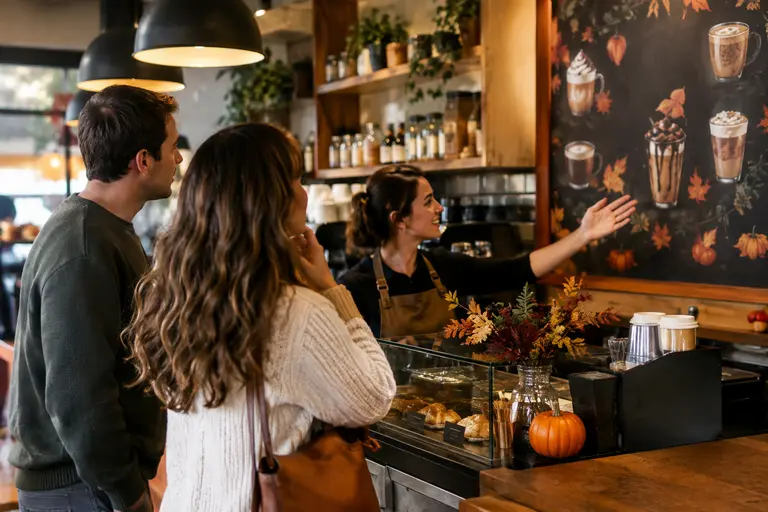
Fall café boards can be tempting, especially when the names sound cozy. Still, a little menu reading helps. Look for the base coffee, the milk style, the leading flavor, and whether the drink is served hot, iced, or both. If a café makes a syrup in house, it may say so. If that detail is not posted, do not assume it. Menus change often, and prices, sizes, and ingredients should be checked on the café’s official channels before planning a special stop.
Atmosphere also matters because seasonal coffee is often a sit-down experience, not just a caffeine run. A quiet corner, steady service, and a room that feels welcoming can make a maple latte more memorable than a louder drink in a rushed space. For more on reading comfort and service cues, Hudson Valley diners can compare these ideas with our piece on café atmosphere and loyalty.
Ask Practical Questions At The Counter
Baristas hear a lot of vague requests during fall drink season. A better question usually gets a better cup. Instead of asking what is popular, ask what is less sweet, what has the strongest espresso flavor, or what works best iced. That keeps the conversation useful and helps the café steer you toward a drink that fits your taste.
- Ask whether the drink is coffee-forward or dessert-like.
- Ask if the seasonal flavor can be reduced for a less sweet cup.
- Ask which espresso drink shows off the flavor best.
- Ask whether the café recommends the drink hot or iced.
These questions also support the community side of café culture. They turn a quick order into a small exchange, and that exchange can teach regulars what a café values. Some shops may focus on comfort flavors. Others may lean toward fruit, spice, or floral notes. Neither approach is automatically better; the right cup depends on the drinker and the moment.
Fall Signature Drinks For Hudson Valley Cafés
A Community Table In A Coffee Cup
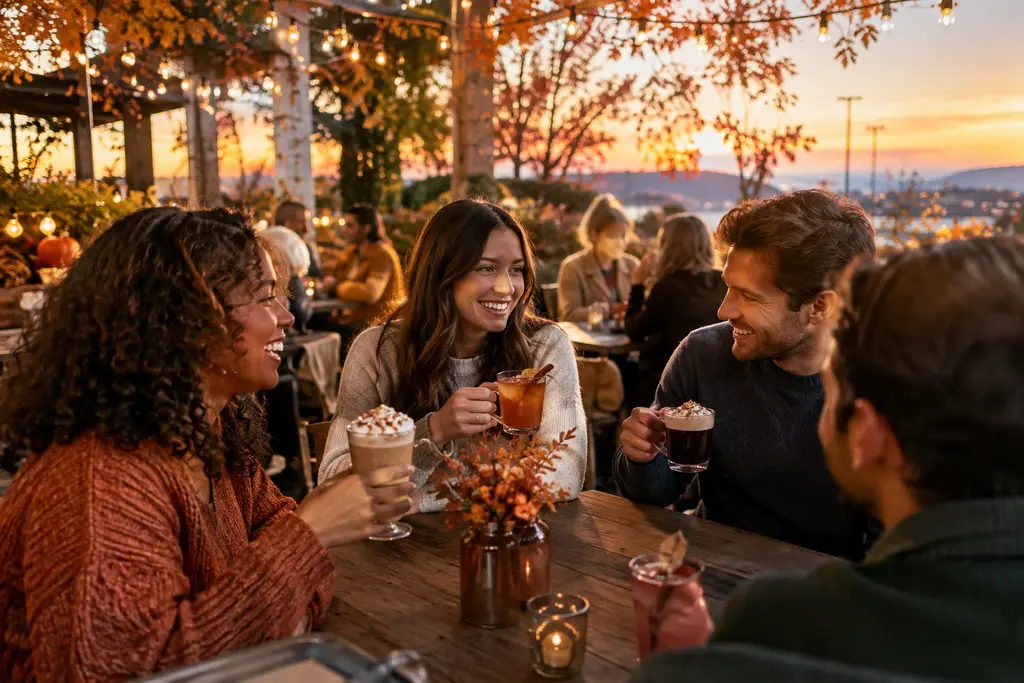
Fall Signature Drinks feel most successful when they connect the coffee, the season, and the room. In the Hudson Valley, that can mean a drink that pairs well with a pastry case, a quiet morning table, or a short walk after leaving the café. The strongest seasonal menus do not need a long list. Three or four clear drinks can be more useful than a crowded board with flavors that overlap.
For café owners and drink lovers, the lesson from 2026 is practical: espresso matters, out-of-home coffee is active again, and seasonal flavors can help people choose where to spend time. Diners should look for clarity, balance, and a café atmosphere that fits the occasion. For a cross-regional read on dining rooms and café-adjacent hospitality, the related site De Novo Montclair can be a useful point of comparison for readers who track how drink culture travels between nearby communities.
A well-made fall drink does not need to chase every flavor trend. It should taste intentional, match its coffee base, and give guests a reason to pause. That is where Hudson Valley cafés can shine: not by copying national menus, but by making seasonal drinks feel local, clear, and worth sitting down for.