Local Sourcing Transparency Builds Trust
Local sourcing transparency has become one of the clearest ways a restaurant can earn diner trust before a plate reaches the table. For Hudson Valley diners, that does not mean every menu needs a long farm note or a speech from the server. It means guests can understand, in plain language, which ingredients are local, why those choices matter to the kitchen, and how the restaurant backs up its sourcing claims.
That kind of clarity affects more than the menu. It changes the mood of a dining room. A restaurant that explains its sourcing with care can feel more grounded, less performative, and easier to trust. A restaurant that uses local language without details may leave guests unsure about whether the claim has substance. The practical question is simple: can diners see enough information to make a confident choice?
Why Local Sourcing Transparency Matters
What The 2025 Numbers Say
In March 2025, 59% of U.S. consumers said it was important to know where their food comes from, up from 51% in 2017. The same research found that 54% prioritized food that is consistently locally available, and 59% said it was important that food be produced sustainably, up from 53% in 2021, according to the IFIC food production survey. Those numbers help explain why sourcing details now carry real weight for diners who are comparing restaurants, caterers, and special-occasion meals.
Restaurant choice data pointed in the same direction. In March 2025, 73% of diners said a restaurant’s approach to sustainability was an important factor in deciding where to eat. Among those diners, 44% said they were most encouraged to visit restaurants that prioritized local sourcing, according to the Escoffier dining trends report. That does not mean every guest chooses a restaurant only because of sourcing. It does show that a clear sourcing approach can help a restaurant stand apart when diners are weighing comfort, value, service, and atmosphere.
How Trust Shows Up Before A Meal
Trust starts early. A guest may scan a website, look at a reservation page, read a menu, or call with a question before booking. That is where local sourcing transparency can reduce uncertainty. If a restaurant says “local greens when available,” diners understand that seasonality may affect the plate. If a menu names a nearby producer without context, a guest may still wonder whether the ingredient appears every day or only during a short harvest window.
For Hudson Valley dining, the most useful sourcing language is specific without becoming stiff. Diners do not need a lecture. They need cues that feel honest: seasonal availability, named categories, clear menu notes, and staff who can answer basic questions without overpromising. That balance helps diners feel respected, especially when prices reflect extra care in purchasing.
How Sourcing Details Shape Atmosphere
Menus, Servers, And Room Cues
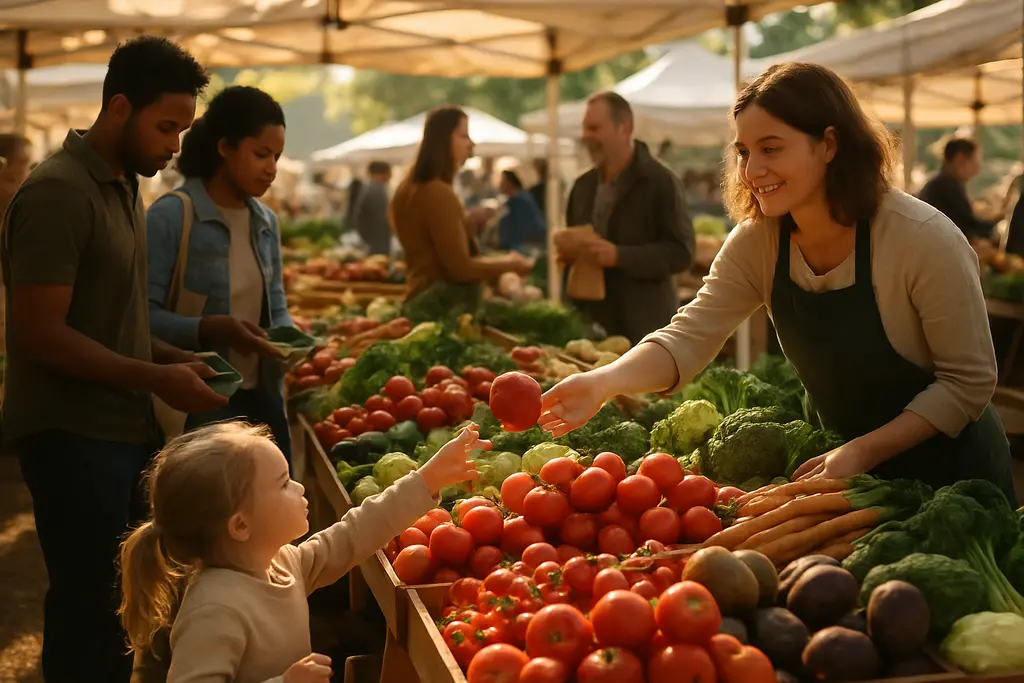
Atmosphere is often described through lighting, sound, seating, and service pace. Sourcing information belongs in that same conversation because it shapes how diners read the room. A chalkboard naming seasonal produce, a short menu note about regional farms, or a server who can explain a special in direct terms can make the space feel more connected to its food. Those cues work best when they are calm and useful rather than decorative.
The opposite can happen, too. If the room leans heavily on farm imagery but the menu gives no details, some diners may hesitate. That does not mean the restaurant is doing anything wrong; it means the communication is incomplete. For more on how sourcing can affect the feel of a dining room, this related piece on local sourcing and restaurant ambience looks at how menu choices and room mood can work together.
Local Sourcing Transparency On Menus
Local sourcing transparency is strongest when the menu tells diners what they can reasonably expect. “Hudson Valley apples in season” is clearer than a broad local claim. “Regional dairy” is useful if the restaurant can explain the producer or purchasing approach when asked. A short phrase can do a lot of work if it is accurate and current.
Restaurants also have to leave room for change. Weather, harvest timing, delivery access, and volume can affect what a kitchen uses on a given day. Diners should read flexible language as a sign of seasonal reality, not necessarily as a lack of care. The key is whether the restaurant communicates those changes plainly. A guest who understands why a dish changes is more likely to view the change as part of the dining experience rather than a disappointment.
Practical Questions Before You Book

What To Ask Without Making Dinner A Quiz
Good local sourcing transparency should make questions easier, not more awkward. Diners can ask in a friendly way, especially when planning a birthday, anniversary, family meal, or business dinner. The goal is not to test the restaurant. The goal is to understand whether the experience fits the occasion.
- Ask which menu items usually feature local ingredients and which change with the season.
- Ask whether the restaurant notes substitutions when a local ingredient is unavailable.
- Ask if servers can explain the sourcing behind specials or tasting menus.
- Ask whether larger parties should expect a set menu with different sourcing details.
- Ask how far in advance the restaurant can confirm seasonal dishes for a special event.
These questions are especially helpful for diners who care about value. If a restaurant charges more for a dish tied to local sourcing, guests can decide whether the sourcing, service, setting, and occasion support the price. Transparency does not require a restaurant to reveal every vendor invoice. It asks the restaurant to make its claims understandable.
Personal Chef Settings
The same questions apply outside the restaurant dining room. If you are hiring a chef for a private dinner, sourcing details can shape the whole evening: the menu, the story behind each course, the timing of preparation, and the way guests talk about the meal. A related resource such as Personal Chef Mall can be invaluable for exploring various chef services, helping diners to thoughtfully consider chef offerings and sourcing practices while still consulting directly about ingredient sourcing, menu changes, and how local items are confirmed.
For a home dinner in the Hudson Valley, the most practical expectation is clarity. If a chef plans to use local produce, ask what is confirmed and what may change based on availability. If the meal is built around a seasonal theme, ask how substitutions will be handled. Clear answers help hosts avoid surprises and help guests feel that the meal has been planned with care.
Local Sourcing Transparency For Hudson Valley Tables
Reading The Room With Care
Local sourcing transparency works best when it feels natural to the restaurant rather than added as a sales line. A small cafe, a casual tavern, a fine-dining room, and a private chef dinner may all communicate sourcing differently. The important point is whether the information fits the format. A counter-service spot may use a small sign or concise menu note. A reservation-only dinner may explain sourcing through a printed menu or server introduction.
Diners can also hold a balanced view. Not every ingredient can or should be local at every meal. Coffee, spices, citrus, chocolate, and many pantry staples often come from outside the region. A trustworthy restaurant can still value local sourcing while being clear about what is regional and what is not. That honesty may build more confidence than a broad claim that sounds attractive but gives few details.
For Hudson Valley diners, the practical move is to look for plain language, seasonal honesty, and staff who can answer reasonable questions. A restaurant that communicates sourcing clearly gives guests more than information; it gives them a calmer way to choose where to spend their time and money. In a dining culture where atmosphere and trust sit side by side, that clarity can make the whole meal feel more comfortable.