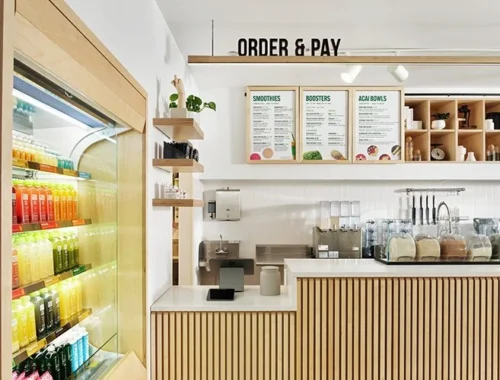

Welcoming Atmosphere Trends for Dining Rooms
A welcoming atmosphere matters before a fork reaches the table. For Hudson Valley diners, the decision to book a restaurant is shaped by more than the posted menu, the distance from home, or the promise of a seasonal special. Comfort now sits closer to the center of the meal: the ability to hear a companion, feel at ease in the room, trust the cleanliness, and sense that the staff has thought about different kinds of guests. Recent national dining research gives practical clues for reading those signals before committing to a reservation.
The Hudson Valley has many dining moods, from quiet weekday cafes to celebratory dining rooms near river towns and village main streets. Not every meal needs silence, and not every restaurant should feel the same. The useful question is whether the room fits the occasion. A birthday dinner, a first meeting with friends, a solo counter meal, and a family lunch all ask different things from the same basic hospitality equation: food, comfort, pacing, and a room that helps people settle in.
What Welcoming Atmosphere Means Before Booking
The phrase welcoming atmosphere can sound soft, but recent data points to concrete details. A late-2024 national survey of 1,000 U.S. adults found that about 65% of Americans often have difficulty hearing friends or family at restaurants or coffee shops, while 66% said restaurants today feel more like bars than places to gather, according to the Quiet Communities survey. That does not mean every diner wants a hushed room. It does show that sound level is no longer a small side issue for people who want conversation with dinner.
Welcoming Atmosphere Signals To Notice
For Hudson Valley diners, a welcoming atmosphere often starts with what can be checked before leaving home. Look at the restaurant’s own reservation notes, photos, menu format, and room descriptions if available. A dining room with many hard surfaces, close tables, open kitchen noise, bar seating, or live music may still be excellent, but it may fit a lively night better than a long conversation. A smaller cafe, early seating, or weekday booking may better suit guests who want a calmer meal.
Cleanliness and comfort also matter because diners connect them with value. Technomic’s 2026 Value & Pricing Consumer Trend Report, shared through Winsight, reported that cleanliness and sanitation ranked highest as a value factor, at 54% for limited-service restaurants and 50% for full-service restaurants; comfortable temperature followed at 47% and 44%, while quiet, relaxing atmosphere was selected by 33% and 34%, respectively, in the Technomic value report. Those numbers are national, not Hudson Valley specific, but they give diners a useful checklist for judging comfort before and during a meal.
Sound, Comfort, And The Welcome Factor
Noise is one of the easiest atmosphere issues to overlook until it is too late. A room can serve strong food and still feel difficult if conversation requires leaning in or repeating every sentence. For diners planning a catch-up dinner in Rhinebeck, Beacon, Kingston, Newburgh, Poughkeepsie, or any nearby town, sound should be part of the same planning process as cuisine and price range.
Quiet Hours And Better Timing
The Quiet Communities research also found interest in quieter service options: 46% of respondents said they would be much more likely to dine at a restaurant offering quiet hours, and 59% said they would recommend such restaurants to friends or family. Diners do not need to wait for a formal program to apply the idea. Ask whether the first seating is calmer than the prime dinner rush. Ask whether the bar area carries into the dining room. Ask whether outdoor seating is near traffic, music, or a service station.
Temperature belongs in the same conversation. A restaurant can feel thoughtful when it protects guests from drafty entryways in winter, heavy sun at brunch, or cramped seating near busy doors. If a guest has a sensitivity to noise or temperature, it is fair to mention that when booking. A short, polite note gives the restaurant a chance to place the table more thoughtfully if space allows.
Practical Questions For Hudson Valley Diners

A better meal often begins with better questions. Before choosing a room for a date night, family visit, business lunch, or solo dinner, diners can gather clues without turning the process into a chore. Restaurant websites, reservation platforms, recent dining room photos, and direct phone calls can answer more than a star rating ever will.
- Ask whether the dining room or bar is louder during the time you want to visit.
- Request a table away from speakers, entry doors, service stations, or high-traffic aisles if that matters to your party.
- Check whether the restaurant offers counter seating, outdoor seating, or quieter early reservations.
- Look for signs of care in current menus, clear reservation policies, and staff responses to simple questions.
- Match the room to the occasion instead of expecting one restaurant to suit every kind of meal.
For readers comparing comfort cues across the region, our related piece on dining atmosphere questions looks at lighting, sound, and booking habits in more detail. The same thinking applies at home for private meals, where hosts can shape the room around their guests; for another angle on planning a hosted meal, you might explore some personal chef planning ideas.
Food Still Sets The Tone
Atmosphere should support the cooking, not cover for it. A signature dish feels more memorable when the room gives guests enough comfort to pay attention. In the Hudson Valley, that might mean leaving time for a seasonal soup at lunch, a shared appetizer before a show, or dessert after a long drive home from a market town. The better the fit between room and meal, the easier it is to notice texture, aroma, pacing, and hospitality.
Diners should be careful with assumptions. A louder room is not automatically careless; it may be designed for groups, bar energy, or weekend celebration. A quiet room is not automatically formal; it may simply be smaller, better spaced, or booked earlier in the evening. The practical move is to define the meal you want before judging the room.
Welcoming Atmosphere In Local Dining Choices
The useful lesson behind welcoming atmosphere is that comfort can be assessed before the meal and respected during it. National research points to sound, cleanliness, temperature, family friendliness, and calm as real parts of perceived value. Hudson Valley diners can use those cues in a grounded way: read the room photos, ask direct questions, choose the right time, and match the setting to the people at the table.
A restaurant does not need to be silent, expensive, or formal to feel hospitable. It needs to make its intended experience clear and give guests a fair chance to choose well. That is where better dining culture begins: with diners asking practical questions and restaurants making comfort easier to understand before anyone sits down.