Pollinator Coffee Drinks Build Community Flavor
In September 2026, pollinator coffee drinks became part of a wider San Antonio dining effort tied to Migratory Month and the Monarch Butterfly & Pollinator Festival, which took place on October 3, 2026. The restaurant campaign gave cafés, bakeries, bars, and kitchens a practical way to connect flavor with pollinator awareness, using seasonal drinks and menu items to point diners toward ingredients made possible by bees, butterflies, and other pollinators. For those of us watching from the Hudson Valley coffee scene, the San Antonio example is useful because it shows how a drink menu can do more than fill a cup; it can frame a community conversation.
According to Axios San Antonio, restaurants across San Antonio offered pollinator-inspired food and drinks throughout September 2026 ahead of the October 3 festival. Project Bloom, the nonprofit behind Migratory Month, listed participating restaurants and drink makers, including Miss Chickpeas Bake Shop, Best Quality Daughter, Southwest Elixirs, Pharm Table, Mezquite, and Howdy Child, with menus connected to pollinators and seasonal ingredients. The campaign gave diners a reason to slow down, ask what was in the cup, and connect a café order to a larger food system.
What Pollinator Coffee Drinks Showed Diners
Pollinator Coffee Drinks And Menu Clues
The most useful way to read pollinator coffee drinks from a diner’s point of view is to look for specific ingredients and clear menu naming. Project Bloom’s Migratory Month listings included Miss Chickpeas Bake Shop’s “Pollinators Delights Coffee Menu,” with seasonal coffee drinks named for Texas pollinators. Southwest Elixirs offered a “Matcha Bloom” latte with local honey and lavender, according to the same Project Bloom Migratory Month listings. Those details matter because they tell diners what the restaurant is choosing to highlight: not just caffeine, but flavor links to pollination, flowers, and local sourcing.
A clear seasonal drink can be especially effective because coffee shops already serve as casual gathering places. Diners do not need a full tasting menu to take part. A latte, tea, pastry pairing, or zero-proof drink can make the theme approachable. San Antonio’s campaign also included restaurants beyond coffee counters, which suggests that the idea worked across different dining formats. For Hudson Valley cafés, that is the practical takeaway: a seasonal drink can act as a small public-facing marker for a larger local food conversation, especially if the menu makes the ingredient story easy to understand.
Why The September Timing Mattered
The timing created a month-long runway rather than a single-day menu special. Migratory Month happened throughout September 2026, while the Monarch Butterfly & Pollinator Festival followed on October 3, 2026. That spacing gave participating restaurants room to introduce limited offerings, repeat the message, and let regular customers notice the pattern. From a diner’s perspective, that is far more practical than a one-night promotion that is easy to miss.
It also created different entry points. Someone might have first noticed a hibiscus tea, a matcha latte, or a bakery coffee menu before learning that it connected to a festival. That order of discovery feels natural in dining culture. Food often opens the door before the larger subject arrives. In the Hudson Valley, where farmers markets, cideries, cafés, and chef-driven restaurants often share customers, that same pacing could help diners connect seasonal flavors with agricultural ideas without turning a menu into a lecture.
Restaurants Turned Seasonal Menus Into Civic Signals
What Participating Restaurants Had In Common
The San Antonio examples varied by format, but they shared a common structure: each business translated the pollinator theme into something diners could order. Best Quality Daughter, Southwest Elixirs, Pharm Table, Mezquite, Howdy Child, Miss Chickpeas Bake Shop, and others appeared in Migratory Month materials with curated food or drink items. Liberty Bar and Mezquite were also noted in research for pollinator-themed beverages, including hibiscus-tea inspiration at Liberty Bar.
That range is useful for restaurant owners and café teams because it shows that the concept did not belong only to coffee shops. A bakery could use a named coffee menu. A drink maker could use honey and lavender. A restaurant could fold the theme into a broader food item. A bar or dining room could point toward floral or botanical flavors. None of that requires diners to change how they eat; it asks them to pay closer attention to what ingredients are already doing.
How Diners Could Compare Menus Without Guesswork
For diners, the best practical move is to compare menus by looking for transparency. Does the menu name the ingredient? Does it explain the seasonal link? Does it tell you whether the item was part of a festival, a nonprofit campaign, or a restaurant-only special? Clear answers help guests understand whether a drink is simply floral in flavor or directly tied to a community project.
- Look for named ingredients, such as honey, lavender, hibiscus, matcha, or seasonal fruit, when they are listed by the restaurant.
- Ask whether the drink was created for a dated event or a longer seasonal menu.
- Check the restaurant or café’s official channels before visiting, since limited menus can change quickly.
- Notice whether the menu connects the drink to a local nonprofit, festival, or community partner.
That kind of reading is helpful in any region. Hudson Valley diners already know that seasonal menus can shift with harvests, staff capacity, and supplier availability. San Antonio’s Migratory Month campaign simply made the connection more visible by giving restaurants a shared theme and a public calendar.
How Coffee Drinkers Could Read The Menus
Flavor First, Message Second
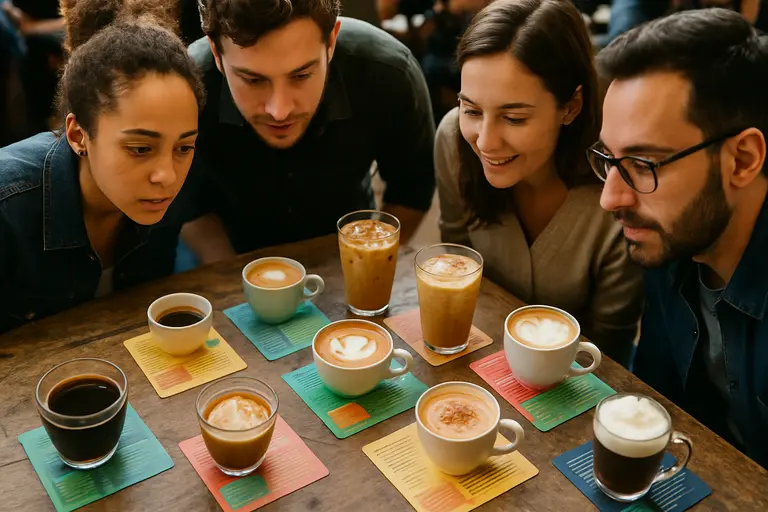
A good themed drink still has to work as a drink. The stronger San Antonio examples in the research were specific enough to help diners picture the flavor. “Matcha Bloom” with local honey and lavender gives a clear expectation: grassy matcha, sweetness, and a floral note. Hibiscus tea points toward tartness and color. A pollinator-themed coffee menu at a bakery suggests pairing potential with pastries, though the specific pastry pairings should always be confirmed through the business itself before making plans.
That matters because diners are practical. They want to know what they are ordering, whether it suits their taste, and whether it fits the visit. A community theme may spark interest, but the cup still needs to be readable. For cafés designing similar menus, plain-language descriptions can do a lot of work. If a drink contains honey, say so. If lavender is present, name it. If the special is available only during a certain date range, state the dates.
What To Ask Before Ordering
Guests who are curious can keep questions simple. Ask whether a featured drink is still available. Ask what sweetener is used. Ask whether the floral flavor is light or pronounced. Ask whether the café has a non-coffee version, such as tea, matcha, chai, or juice, if those options are listed by the business. These questions are not fussy; they help diners choose well and reduce disappointment during a limited campaign.
For people planning a café crawl or a restaurant day around a themed month, the same advice applies. Confirm hours and menus through official business pages, not old social posts. Build in flexibility, since seasonal items can sell out or change. If you are comparing regional dining ideas beyond Texas and the Hudson Valley, related restaurant coverage from De Novo Montclair can be useful for seeing how different communities frame food, drink, and neighborhood hospitality.
What Hudson Valley Cafes Can Learn From Pollinator Coffee Drinks
For Hudson Valley readers, pollinator coffee drinks offer a clear case study in small-format storytelling. San Antonio restaurants did not need to make every menu item about the festival. Instead, they used drinks, teas, coffee menus, and curated dishes as accessible signals. The strongest lesson is that local flavor works best when diners can see the connection quickly: the ingredient, the season, the community partner, and the date.
Project Bloom also states that one out of every three bites of food we eat is possible because of pollinators. That fact gives the campaign weight without requiring restaurants to over-explain. A café can take a familiar order and connect it to farms, flowers, migration, and community learning. In our region, where coffee shops often sit near farm stands, bakeries, and weekend markets, the same model could help diners think more carefully about what supports their favorite seasonal flavors.
The San Antonio campaign has already passed as of October 10, 2026, so the useful question now is not where to attend it, but what it showed. It showed that a themed coffee menu can be practical, educational, and still rooted in pleasure. It showed that restaurants can support a public event without losing their own voice. Most of all, it showed that a simple cup can carry a local story when the menu gives diners enough detail to notice.