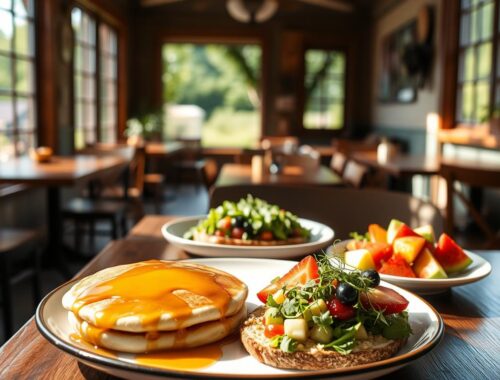

Local Seasonal Dining in the Hudson Valley
Local Seasonal Dining starts before a plate reaches the table. For Hudson Valley diners, the mood of a meal can be shaped by what showed up at the market that morning, what a chef chose to feature, and how clearly a restaurant explains seasonal choices. The supplied research is national rather than Hudson Valley-specific, so it should not be read as a county-by-county count for the region. Still, the data gives diners useful context for understanding why farmers markets, farm stands, CSAs, and seasonal specials keep showing up in dining conversations.
Fresh ingredients can influence more than flavor. They affect menu size, pacing, beverage pairings, and the feeling of a room. A smaller seasonal menu may read as calm and focused. A chalkboard special can make dinner feel connected to the week rather than fixed in place. In a cafe setting, the same thinking can show up in fruit pastries, simple vegetable sides, or a coffee service built around what pairs well with the day’s baked goods. The practical question is not whether a menu sounds rustic or polished. It is whether the restaurant can explain what is seasonal, what is local, and what may change.
How Local Seasonal Dining Shapes Atmosphere
A seasonal meal often changes the energy of a dining room because it gives staff something specific to talk about. Servers can point diners toward a market vegetable, a fruit dessert, or a limited dish without pretending every item is permanent. That kind of exchange can make a room feel more connected to the region, but it also requires patience from guests. If a dish depends on a short supply of produce, it may sell out. If a crop is not available, a restaurant may adjust the plate rather than force the same version all week.
Local Seasonal Dining Questions Before Booking
Before making a reservation, ask direct questions that a host or server can answer without a sales pitch. Is the menu posted online updated often? Are specials announced at the table? Does the restaurant name farms, markets, or seasonal ingredients on the menu? A restaurant does not need to source every item locally to offer a thoughtful seasonal meal. Clear language matters more than vague claims. If the answer is simple and specific, diners can book with more realistic expectations.
National data helps explain why these questions feel relevant. In 2023, small family farms in the United States sold over $2.4 billion in food commodities directly to consumers through channels such as farmers markets, farm stands, and CSAs, according to the USDA Economic Research Service direct sales data. That figure does not tell us what a single Hudson Valley restaurant bought last week, but it does show that direct farm-to-consumer channels are a major part of how many people encounter seasonal food.
The Ambience Of A Changing Menu
A changing menu can make a dining room feel more immediate. Diners may notice shorter descriptions, more handwritten inserts, or servers explaining substitutions. That can be appealing, but it can also surprise guests who prefer to choose a dish days before arriving. A practical approach is to treat online menus as a preview unless the restaurant says they are updated daily. If you are booking for someone with strong preferences, call ahead and ask what items are steady and what items are likely to shift.
What Farmers Markets Teach Menu Readers
Farmers markets train diners to read seasonality with more confidence. If the market tables are full of greens, berries, corn, squash, apples, or root vegetables, restaurant menus often make more sense. The connection is not automatic, and diners should avoid assuming that every seasonal-sounding dish came from a nearby farm. Still, a market visit can sharpen your eye. You begin to see which ingredients are abundant, which ones appear briefly, and which ones require more labor or careful handling.
A 2025 nationally representative U.S. survey of 5,141 respondents found that about 41.78 percent attended farmers markets six or more times per year, while 38.51 percent visited five or fewer times per year. The same research reported top motivations including fresh food, supporting local farmers, high quality, and enjoyment, based on farmers market survey results. Those motivations line up closely with what diners often hope to feel at a seasonal restaurant: freshness, connection, care, and pleasure without too much fuss.
Freshness, Cost, And Seasonal Limits
The market also teaches restraint. Seasonal availability can be brief, and local products may cost more than commodity ingredients. Diners should expect some restaurants to use market ingredients selectively rather than across the full menu. A salad garnish, a side dish, a dessert fruit, or a weekend special may be where the kitchen chooses to feature a small supply. That does not make the effort less meaningful. It simply reflects the limits of supply, labor, storage, and pricing.
For diners interested in signature dishes, the smartest move is to ask what the kitchen is proud of right now rather than asking for the most famous plate. A seasonal special may give a clearer picture of a chef’s current thinking than a year-round item. If you enjoy tracking how market habits shape plates, this related piece on seasonal dining markets offers more ways to read menus with timing in mind.
Practical Ways To Eat With The Season

Local Seasonal Dining rewards diners who plan lightly but pay attention. You do not need a spreadsheet of farms or a long list of questions. A few habits can make a meal smoother, especially during peak weekends or weather-sensitive harvest periods. The goal is to arrive curious, not demanding. Restaurants that cook with changing ingredients often balance guest expectations with what vendors can actually supply.
- Check the restaurant’s own menu page before booking, then assume specials may change.
- Ask whether seasonal dishes are available at lunch, dinner, brunch, or only on certain days.
- Visit a farmers market earlier in the day to notice what ingredients are abundant.
- For coffee or cafe stops, ask which pastries or sides use seasonal fruit or vegetables.
- If you are dining with a group, ask about fixed menus and substitutions before reserving.
Before You Reserve A Table
A short phone call can prevent confusion. Ask whether the posted menu is current, whether the kitchen offers market specials, and whether any frequently requested dishes are unavailable. If the restaurant uses local suppliers, ask how that information appears on the menu. Some places name producers; others describe ingredients more generally. Both approaches can be honest, as long as the staff can explain what they mean.
Atmosphere also includes pacing. A small kitchen working with seasonal items may need time to prep ingredients that are washed, trimmed, peeled, roasted, or preserved in-house. That can affect how quickly a meal moves, especially during brunch or a full dinner service. If you are planning around a show, train, or family schedule, tell the restaurant at the start. Practical communication supports a better meal for both sides of the table.
Readers comparing regional dining conversations beyond the Hudson Valley may also recognize similar menu language in nearby markets and restaurant communities, including at De Novo Montclair. By exploring this related site, diners can adopt the useful habit of looking for clear sourcing language, asking what is seasonal now, and avoiding assumptions about every local-sounding phrase.
Local Seasonal Dining And Hudson Valley Tables
Local Seasonal Dining works best when diners treat it as a conversation between farms, markets, kitchens, and guests. The national figures show strong interest in direct farm channels and regular market visits, but a good meal still depends on what a specific restaurant can verify and serve on a specific date. For Hudson Valley diners, the most practical approach is simple: read menus closely, ask plain questions, stay flexible, and let the season guide part of the order without handing it complete control.
That mindset makes the atmosphere of a meal feel more grounded. A market vegetable, a seasonal fruit dessert, or a cafe pastry made for the week can offer a sense of place without requiring a formal tasting menu. Diners who understand seasonality are better prepared for substitutions, sellouts, and short menus. They are also more likely to notice the quiet details that make a meal memorable: the server who can explain a special, the kitchen that uses restraint, and the table that feels connected to what is available right now.