AI Restaurant Reservations for Hudson Valley
AI Restaurant Reservations are starting to change the small decisions that shape a meal before anyone sits down: the time you choose, the table notes you add, the way a late arrival is handled, and the first impression created by confirmation messages. For Hudson Valley diners, that shift matters because local dining often depends on mood as much as menu. A riverside dinner, a quiet brunch, or a celebratory meal in a cozy village dining room can feel very different depending on how clearly the restaurant understands the occasion.
The key is not to treat booking technology as a replacement for hospitality. The best use for a diner is practical: save time, communicate needs clearly, and still know when to contact a person. A reservation tool can organize information, but it cannot fully read the emotional tone of a table, the comfort of a corner booth, or the difference between a quick bite and a long dinner with friends.
Why Booking Feels More Personal
Restaurant booking has moved beyond picking a date and time. Some reservation systems now help with waitlists, changes, cancellations, guest notes, and timing. In April 2025, SevenRooms reported that 74% of U.S. consumers were comfortable using AI in the restaurant booking experience, while its report also noted that 35% of consumers say design and ambience affect their emotional connection to a restaurant SevenRooms restaurant trends. Those two findings belong together: diners are not only looking for a table; they are trying to protect the feeling of the meal.
Why Diners Are More Open To AI
Comfort with restaurant technology has grown, but diners still want clarity. PAR Technology reported on August 18, 2026, that discomfort with restaurant AI fell from 41% in 2025 to 27% in mid-2026 PAR Technology survey. That does not mean guests want every part of hospitality automated. It suggests that many diners can accept technology when it reduces friction, shortens waits, or keeps plans organized without removing the human welcome that makes a restaurant feel warm.
In the Hudson Valley, where restaurants can range from casual cafe counters to intimate dining rooms, that balance is especially useful. A booking note about a birthday, a stroller, a quieter table, or a time-sensitive meal can help staff prepare. Still, if the request affects comfort in a major way, a short phone call or direct message remains wise.
What AI Restaurant Reservations Can Change
AI Restaurant Reservations can affect the parts of dining that used to feel minor but often set the tone. A confirmation message may remind you about parking, cancellation timing, seating limits, or the expected meal length. A waitlist tool may estimate availability more clearly than a handwritten list. A restaurant may use stored guest notes to remember seating preferences, past occasions, or communication style, depending on its system and policies.
AI Restaurant Reservations And Arrival Timing
AI Restaurant Reservations are most useful when timing is tight. If you are planning dinner before a show, meeting family after a train arrival, or trying to fit brunch between farmers market errands, automated booking tools may help you modify a reservation quickly. The practical move is to read the confirmation carefully. Look for language about grace periods, party-size changes, cancellation windows, and whether the restaurant asks guests to text, call, or use the booking platform for updates.
Where A Human Host Still Matters
Some requests are too personal for a form field. If you need a low-noise table for conversation, want to avoid high-top seating, or are arranging a proposal, anniversary, business dinner, or family gathering, add the note online and then confirm with the restaurant if the detail is essential. A host can tell you whether a request is realistic for that date, room, and service period. Technology can record the request; the team decides what can be done in the dining room.
Reading Ambience Before You Reserve
Atmosphere begins before the first course. The booking path can hint at how a restaurant manages pacing and comfort. A clear reservation page often signals that the restaurant wants guests to arrive with the right expectations. A confusing page, missing policy details, or unclear communication does not prove the meal will disappoint, but it should prompt a few extra questions before you commit.
Ambience Starts Before The Door
For diners who care about mood, the reservation screen can be a useful planning tool. Watch for seating choices, indoor or outdoor options, counter seating, deposit rules, and notes about time limits. If none of that information appears, contact the restaurant directly. Hudson Valley meals are often tied to setting: a patio after a day on the trail, a soft-lit dining room in colder months, or a relaxed cafe table for weekend catching up. The more specific your booking note, the easier it is for the restaurant to understand what kind of experience you hope to have.
If you enjoy comparing how technology supports local dining choices without replacing personal judgment, our related piece on AI dining tools in the Hudson Valley offers a useful companion read.
Questions To Ask Before Booking

For Hudson Valley diners, AI Restaurant Reservations should make planning clearer, not colder. Before relying on any automated system, scan the booking page like you would scan a menu: slowly, with attention to details that affect comfort, cost, and timing.
Practical Questions For Hudson Valley Diners
- Does the reservation page clearly explain cancellation rules, deposits, or no-show fees?
- Can you request indoor, outdoor, bar, counter, or quieter seating?
- If you are running late, does the restaurant prefer a call, text, or app update?
- Are special occasions handled through notes, direct contact, or both?
- Does the confirmation explain parking, arrival time, or party-size changes?
- If a seating request matters, can a staff member confirm it before the meal?
Those questions are especially helpful for small dining rooms, weekend brunches, and holiday meals, where a few minutes or one extra seat can affect the whole room. They also protect the relationship between diner and restaurant. Clear information keeps guests from arriving with assumptions the staff cannot meet.
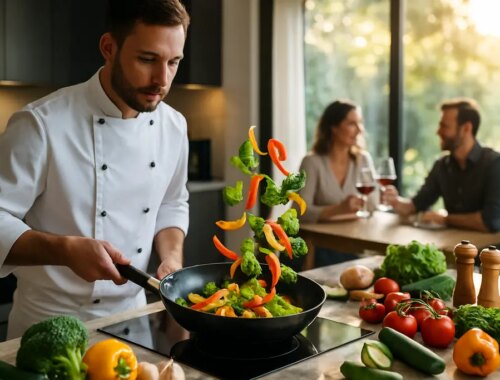
There is another option for people who want full control over ambience: dining at home with professional help. A personal-chef meal can make sense for birthdays, small gatherings, or dinners where conversation, timing, and room comfort matter more than going out. For those interested in this alternative, personal chef planning resources can provide valuable guidance in shaping the ideal home dining experience.
AI Restaurant Reservations And The Hudson Valley Table
AI Restaurant Reservations are best understood as a planning layer, not the heart of hospitality. They can help organize timing, notes, and guest communication, but the meal still depends on cooks, servers, hosts, and the physical room. Diners should use these tools to be clearer, kinder, and better prepared: add useful notes, update the restaurant promptly, read the policy details, and call when a request affects the success of the meal.
That approach fits the way many Hudson Valley residents already dine. We care about setting, season, pace, and the people across the table. Smart booking tools can support that culture when they reduce confusion and leave room for human care. The best reservation is not simply the fastest one. It is the one that helps everyone arrive ready for the kind of meal they actually want.