AI Dining Tools And Hudson Valley Coffee
Hudson Valley coffee decisions have always been part taste, part mood, and part neighborhood rhythm. Now AI Dining Tools are entering that daily question of where to meet, what to order, and which cafe setting fits the moment. For drink lovers, that can mean asking a chatbot to compare espresso bars by seating style, filtering for nonalcoholic drink options before dinner, or using a reservation platform that suggests a quieter table for a longer conversation.
The shift is not imaginary. As of May 18, 2026, DoorDash reported that 22% of U.S. consumers had used AI tools such as ChatGPT or Google Gemini to choose a restaurant, including for discovering new places, comparing options, and filtering by cuisine, occasion, or value DoorDash trend data. That number matters for the Hudson Valley because many local dining choices are not only about a plate or a cup. They are about timing, travel distance, table comfort, parking, service pace, and whether the drink list fits the group.
For a coffee-and-drinks crowd, the practical question is not whether technology belongs at the table. It is how to use it without letting it flatten the local character that makes a cafe or dining room worth visiting. A tool can sort information quickly. It cannot smell roasted beans, hear the room, or know whether a corner table feels inviting on a rainy afternoon.
How AI Dining Tools Fit Coffee Decisions
Where AI Dining Tools Help Most
The strongest use case is the early planning stage. If you are choosing between a morning coffee stop, a late-afternoon tea, or a drinks-forward dinner, an AI prompt can help organize your needs before you open several tabs. A diner might ask for cafes near a train stop, places with espresso and pastries, or restaurants with low-proof drinks for a weeknight gathering. The tool may return a short list, but the diner still needs to verify details on official pages before making plans.
That verification step matters in the Hudson Valley, where hours can vary by season, staffing, private events, or weather. AI output may be based on stale information, copied menu text, or older customer comments. Before you drive to a cafe in another town, check the business website, reservation page, or current social channel for hours, seating notes, and menu availability. If a drink is the reason for the trip, confirm that it is still being served.
Used carefully, AI Dining Tools can also help diners name what they want. Instead of searching for “good coffee,” try asking for “a quiet cafe for reading with espresso drinks and light food,” or “a casual bar with creative zero-proof drinks and a menu suitable for sharing.” Specific prompts lead to more useful questions, even if the final choice still comes from local judgment.
What To Check Before You Trust A Recommendation
Restaurant and cafe recommendations can look confident even when they are incomplete. A practical check takes only a few minutes and can prevent an awkward outing. Look first for the date of the information. Then compare the AI suggestion with the venue’s own reservation page or menu. If the tool mentions outdoor seating, private rooms, or a special drink program, treat that as a lead rather than a confirmed fact.
- Ask whether the suggested cafe or restaurant is open on the exact date and time you plan to go.
- Confirm whether reservations are accepted, required, or unavailable.
- Check whether the current drink menu includes the coffee, cocktail, tea, or nonalcoholic option you want.
- Call ahead for accessibility, seating, or group-size needs when those details affect the visit.
- Use AI to compare options, then let official pages and staff confirmation settle the plan.
This same habit applies to private dining at home. If you are planning a brunch with a coffee service, a dessert pairing, or a small dinner where drinks matter, a site such as Personal Chef Mall can be a starting point for exploring chef services, while direct questions about menus, timing, and service format should still guide the booking.
What AI Dining Tools Cannot Taste
Human Service Still Shapes The Room
Drink culture depends heavily on human cues. A barista can notice hesitation and describe the difference between a bright espresso and a rounder cold brew. A server can tell whether a table wants quick refills or a slower evening. A bartender can explain a nonalcoholic drink without making it feel like an afterthought. These are not small details; they shape how welcome a person feels.
The research notes show that diners are open to visible AI in some restaurant settings, especially for discovery, menu recommendations, and quicker ordering. They also show limits. In the July 2026 Toast survey included in the research, a majority of diners preferred the actual serving of food and drinks to remain human-handled. That fits what many local diners already sense: technology can help prepare for a visit, but hospitality happens in the exchange between people.
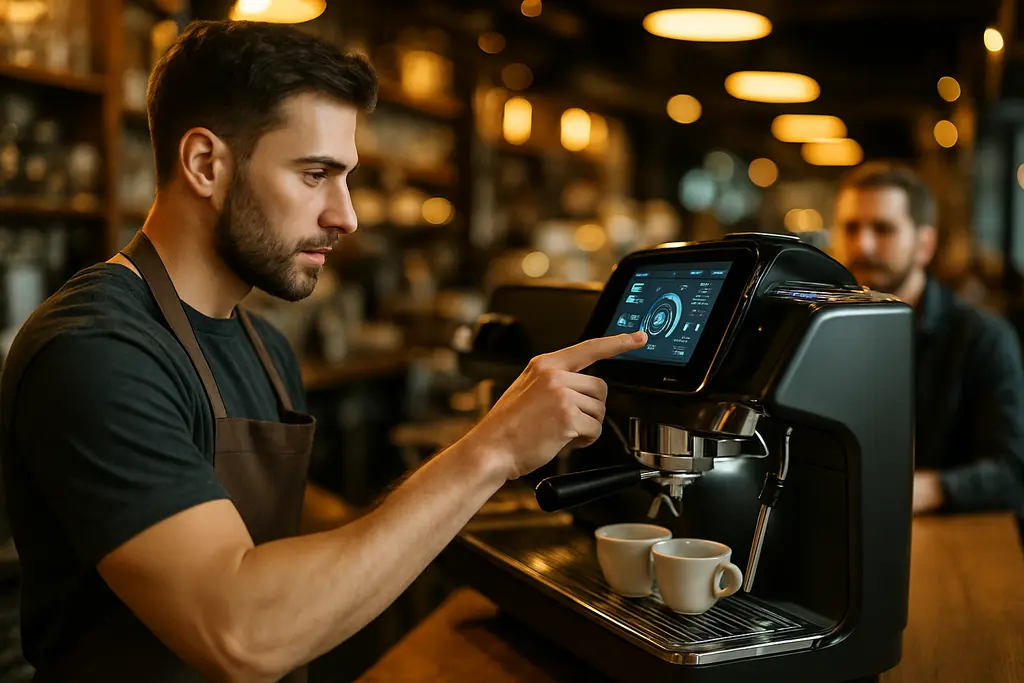
There are operational uses behind the counter as well. The Associated Press reported on an experimental Swedish cafe where the baristas remained human while a Google Gemini-based AI agent handled work such as scheduling, inventory, hiring, and other management tasks AP cafe report. For Hudson Valley diners, the lesson is not that every cafe will work that way. It is that AI may become less visible than a chatbot: it may influence staffing, supply ordering, and menu planning before a guest walks in.
Drink Preferences Need Context
A coffee order carries more context than a database can easily hold. Some diners want a short espresso at the counter. Others want a comfortable table, a pastry, and time to talk. One person may search for oat milk because they prefer the flavor; another may need to avoid a specific ingredient and should speak directly with staff. AI can group those needs into a search, but it should not replace direct communication about allergies, ingredients, or preparation.
For diners watching drink costs or ingredient choices, the broader pattern connects with other beverage planning habits. Our local look at Beverage Trends 2026 points to value, flavor variety, and ingredient interest as reasons people read drink menus more closely before choosing where to go.
The most useful prompts are plain and personal. Try: “Find a cafe within 20 minutes for two people who want espresso, quiet seating, and light food after 2 p.m.” Or: “Compare three dinner spots for a group that wants cocktails, alcohol-free drinks, and easy parking.” Then check each result against the venue’s own information. That extra step protects the outing from outdated recommendations.
Coffee Choices With AI Dining Tools
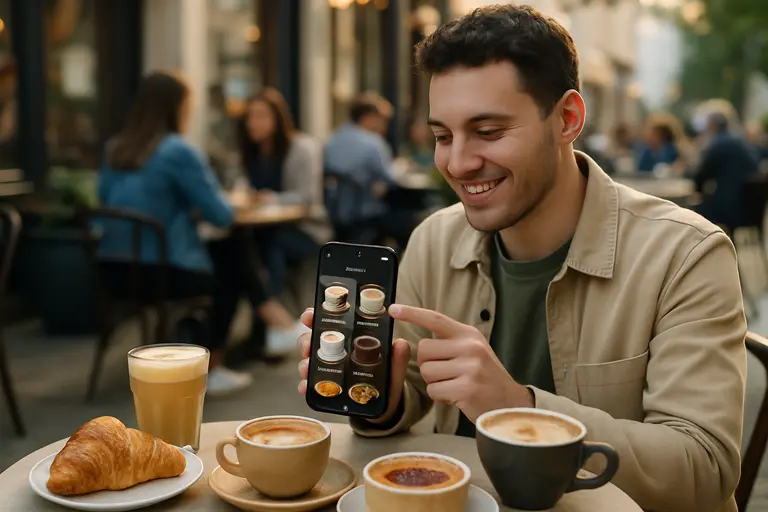
The Hudson Valley does not need technology to make coffee culture interesting. It already has small-town main streets, destination restaurants, bakery counters, farm-adjacent dining, and drink lists that change with the season. What AI can offer is a better first draft of the plan. It can help sort options before a Saturday drive, make group preferences clearer, and remind diners to ask sharper questions.
The best approach is balanced: let AI Dining Tools shorten the search, then let people finish the decision. Read current menus. Confirm hours. Notice the tone of the room when you arrive. Ask the barista or server what they are excited to pour that day. The result is not a colder dining experience. Used with care, it can leave more time for the part that matters most: sitting down with a good drink and paying attention to the place you chose.