Dining Room Designs Hudson Valley Diners Notice
Great meals start before the first plate lands on the table. The newest dining room designs are giving diners more to notice: warmer colors, softer shapes, statement lighting, and rooms that feel ready for conversation. For Hudson Valley restaurant lovers, these details can help set expectations before booking a brunch, dinner, tasting event, or private celebration.
I think of atmosphere as part of hospitality. A room does not need to be formal to feel thoughtful. A small cafe can feel generous with the right lighting. A casual dining room can feel special when the seating encourages people to linger. The practical question for diners is simple: does the room support the kind of meal you want to have?
Dining Room Designs Set The Meal’s Mood
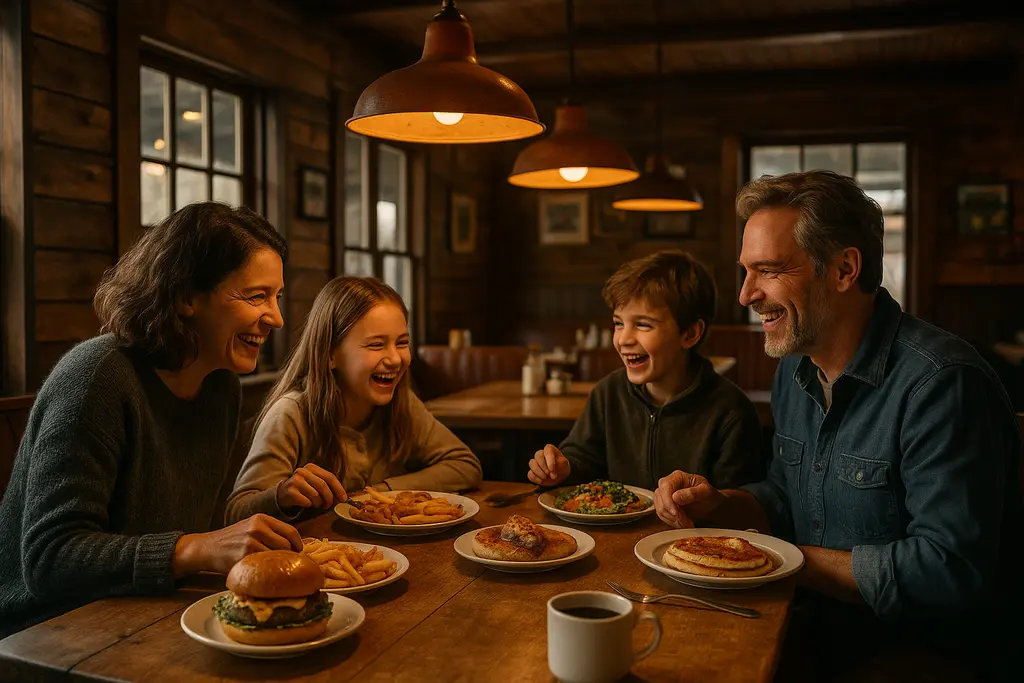
A dining room can shape the pace of a meal. Bright lighting, tight seating, and hard surfaces may suit a quick lunch or a busy weekend brunch. Softer tones, upholstered chairs, and lower lighting often support a slower dinner. None of these choices is automatically better. The right fit depends on your occasion, your group, and how much conversation matters.
Dining Room Designs In A Restaurant Setting
In restaurants, dining room designs are not just about how a space photographs. They affect comfort, sound, sightlines, and the way guests move through a room. An oval table can make sharing feel easier. A banquette can create a tucked-in feeling for two people. A sculptural light fixture can anchor the room, but diners may still want to know whether the table beneath it is bright enough for reading a menu.
For Hudson Valley diners, especially those planning a special reservation, it helps to look beyond the menu. Check recent room photos on the restaurant’s official site or reservation page when available. If you are booking for parents, young children, or friends who prefer a quieter table, call ahead and ask about the room rather than assuming every seat offers the same experience.
Warm Color And Texture Cues
One of the clearest design shifts is a move toward warmer color. Research notes that 2026 dining rooms are favoring shades such as chocolate brown, ochre, terracotta, and muted green instead of cooler minimal looks, according to Homemakers dining trends. In a restaurant, those colors can make a room feel softer and more grounded, especially during long dinners or darker winter evenings.
Why Warmth Works For Group Meals
Warm tones can be helpful for group dining because they create a sense of ease without requiring white tablecloth formality. Think of a birthday brunch where the group wants good food, good photos, and enough comfort to stay for coffee. A room with terracotta walls, wood finishes, or mossy green accents may feel relaxed but still intentional.
Texture matters, too. The research points to grasscloth, cork, and linen wall coverings as ways designers are adding depth to dining rooms. For diners, texture is worth noticing because flat, bare rooms can sometimes feel harsher. A textured wall, curtain, rug, or upholstered seat may make a meal feel more settled. That does not mean every restaurant needs soft surfaces everywhere, but these details can help explain why one dining room feels calmer than another.
Shapes, Lighting, And Seating Choices
Furniture shape is another trend with real dining impact. Curved silhouettes, including oval dining tables and rounded chairs, are gaining attention for their inviting feel, as described by HomeFurnishings.com design trends. For restaurants, curves can soften a room visually and may help a table feel less rigid, especially for groups that want to share plates or talk across the table.
Reading The Room Before Reserving
Sculptural lighting is another design feature diners will likely notice first. A dramatic pendant can create a strong focal point, while pastel-colored lighting can bring a softer wash of color into the room. The practical side is worth asking about: is the lighting cozy, or is it too dim for your group? If you are planning dinner with older relatives, a business meal, or a menu-heavy tasting, visibility matters.
Seating is just as important. Patterned upholstery and curved chairs can add personality, but comfort depends on proportion, cushion support, and spacing. If a restaurant offers bar seating, banquettes, communal tables, and standard chairs, ask what will work best for your group size. This is especially useful for celebrations where guests may sit for more than one course.
- Ask whether the room is bright, low-lit, or candlelit during your reservation time.
- Request a quieter area if conversation is central to the meal.
- Check whether private dining uses a separate room or a section of the main dining area.
- For larger parties, ask about table shape, seating style, and whether guests can hear across the table.
- Look for recent room photos from official restaurant sources before booking.
Practical Questions Before You Book

The best use of design trends is not copying a magazine page. It is knowing what to ask before you commit to a reservation. If you are choosing a restaurant for a date, you might prioritize lighting, comfortable seating, and a room that does not rush the evening. If you are planning brunch with friends, you may care more about daylight, table space, and whether the setting feels cheerful without being too loud.
Private Events Need Extra Detail
Private dining calls for even more room awareness. Multi-functional dining spaces are part of the current conversation, with rooms serving more than one purpose, such as a lounge, library, or game area. In a restaurant or hospitality setting, that can be appealing, but diners should clarify what is actually included. Ask whether furniture can be moved, whether the room is enclosed, and whether other guests will pass through the space.
Enclosed layouts are also receiving renewed attention in the research, and it is easy to understand why diners may respond to them. A separate room can make a birthday, rehearsal dinner, or family gathering feel more focused. Still, an enclosed room is not automatically quieter or more comfortable. Ask about music volume, service flow, restroom access, and where guests will place coats or gifts.
If you enjoy comparing atmosphere notes across the wider dining world, the related team at De Novo Montclair offers another useful point of reference for how restaurants present hospitality through room feel, service, and setting.
Hudson Valley Dining Rooms With Character
For me, the most useful part of following dining room designs is not chasing trends for their own sake. It is learning to read a room with the same attention we give to a menu. Warm palettes, curved seating, sculptural lighting, textured walls, and enclosed layouts all influence how a meal unfolds. They can make a cafe feel cozier, a dining room feel more social, or a private event feel more personal.
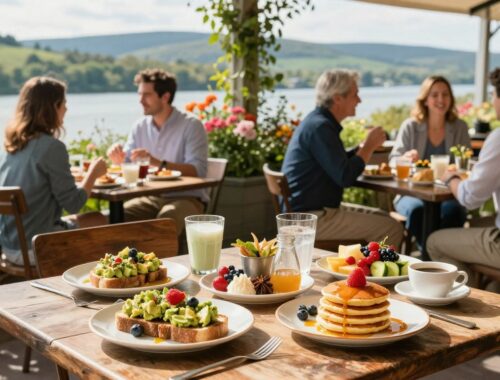
Hudson Valley diners already pay attention to setting, whether they are choosing a riverside lunch, a village cafe, or a special dinner after a day of exploring local shops and farms. Before your next reservation, take a minute to study the room. Ask one or two direct questions if the occasion matters. The most satisfying dining room is not always the most dramatic one. It is the one that helps the food, the people, and the pace of the meal feel right together.