Solo Dining Growth and Signature Dish Choices
Solo dining growth is changing the way many diners think about a reservation, a menu, and a signature dish. For Hudson Valley food lovers, the shift is practical: a table for one no longer has to feel like a compromise. It can be a focused meal, a chance to study a restaurant’s point of view, and a calm way to enjoy a dish that might get lost in a larger group order.
The strongest data available in the research is national, not Hudson Valley-specific, so local diners should treat it as a guide rather than a county-by-county forecast. Still, the pattern is clear. Toast reported that U.S. “solo dinners,” meaning tables for one, rose 22% in full-service restaurant reservations in Q3 2025 compared with Q3 2024, based on data from about 156,000 restaurant locations Toast reservation data. On July 17, 2026, Axios reported OpenTable data showing that U.S. reservations by solo diners rose 23% over the year ending June 2026, with solo diners averaging $94 per person compared with about $60 per person across all party sizes Axios dining report.
What Solo Dining Growth Means For Signature Dishes
Signature dishes often tell you what a kitchen wants to be known for. They may carry the most expressive sauce work, the boldest seasoning, or the strongest sense of place on the menu. Solo dining growth asks a useful question: can that dish stand on its own for one person, without needing a shared table to make sense?
Solo Dining Growth At The Table
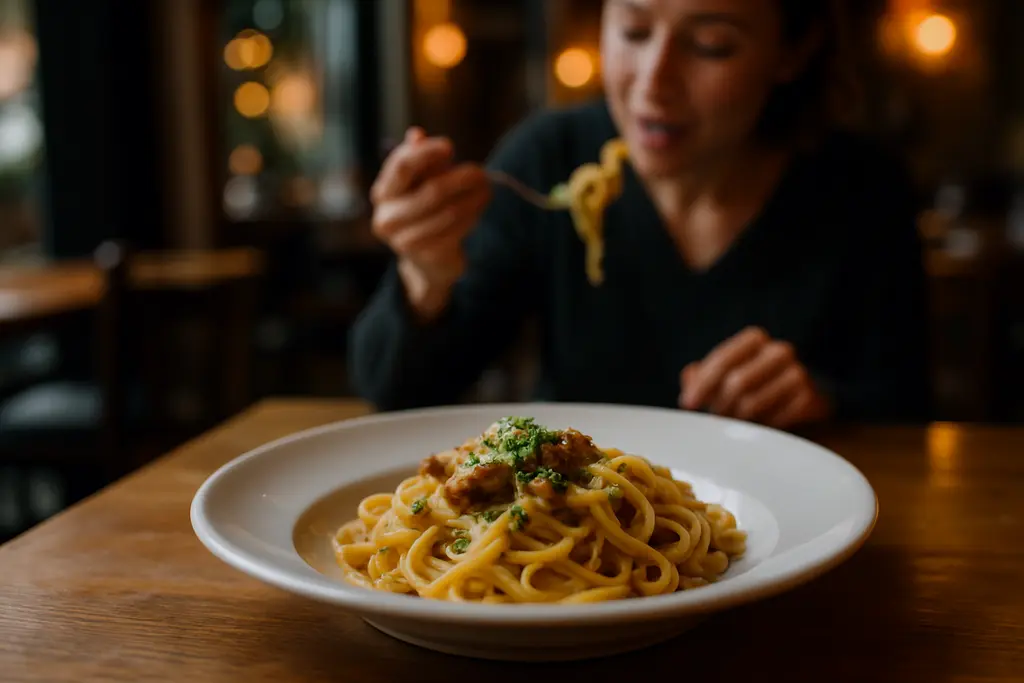
For a diner sitting alone, the dish has to feel complete. A large-format plate meant for two or four may be exciting, but it can also put a solo guest in an awkward spot. The more useful solo-friendly signature dish is not necessarily smaller or simpler. It is balanced as a full meal, easy to enjoy at one place setting, and presented with enough detail that the guest feels cared for rather than squeezed in.
This matters in the Hudson Valley because the region’s dining culture often celebrates seasonal produce, farms, bakeries, cideries, creameries, and chef-led menus. A solo diner may be more willing to order the dish that defines a kitchen if it is portioned with care and described clearly. If a plate is very large, very shareable, or built around several components, the menu should make that clear before the order is placed.
Portion, Price, And Pace
National spending figures suggest that solo diners can be high-intent guests, not low-value guests. That does not mean every restaurant should raise prices or create special menus. It does mean a diner alone may be willing to spend on a memorable plate, a thoughtful nonalcoholic drink, a dessert, or a side if the pacing feels respectful and the value is clear.
For diners, the practical move is to ask direct questions. Is the signature pasta sized as an entree? Is the roasted dish best shared? Can the kitchen recommend one plate that captures the restaurant’s style? These are fair questions, and they help avoid over-ordering. For restaurants, clear menu language can prevent confusion without making a guest feel singled out.
How The Restaurant Experience Changes
The room matters as much as the plate. A table for one can feel relaxed or exposed depending on how the host stand, seating, lighting, and service rhythm work together. Solo dining growth puts more attention on the small signals that tell a guest whether they are welcome to settle in.
Seating That Feels Natural
Bar seats, chef counters, window ledges, small two-tops, and quiet corners can all work for solo guests. None is automatically better. The key is choice. Some diners like the energy of a counter and enjoy watching the kitchen work. Others want a book, a notebook, or a quiet place to eat without conversation. When a host offers options instead of assumptions, the experience starts on better footing.
For Hudson Valley restaurants with smaller dining rooms, this can be difficult during peak hours. Diners can help by booking ahead where reservations are accepted, choosing lunch or early dinner when that fits the day, or calling if a reservation system does not make party-of-one availability clear. The related planning notes in booking a table for one can help guests decide what to ask before they arrive.
Service Without Awkward Scripts
Language has weight. A phrase like “just one?” can make a guest feel like a problem before the meal begins. A simple “table for one?” or “would you prefer the bar or a table?” does the job cleanly. Servers can also read the guest’s cues. Some solo diners welcome conversation about the menu. Others want efficient, quiet service. Both are valid.
This is where signature dishes can become a bridge. A short, confident description from a server can help a solo guest choose without needing a long exchange. “That dish is our most complete entree for one” is useful. “That one is better for sharing” is also useful. Good service protects the guest’s time and appetite.
Practical Questions Before You Book
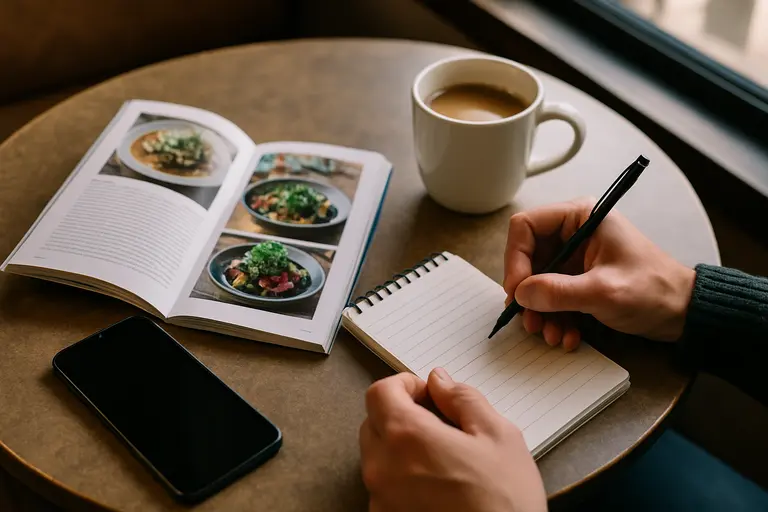
Solo dining growth gives diners more permission to be specific. Instead of wondering whether a restaurant will be comfortable for one, ask the questions that shape the meal. The goal is not to demand special treatment. It is to match the setting, the menu, and your appetite before you walk in.
- Does the restaurant accept reservations for one through its booking system?
- Are bar, counter, or standard table seats available for solo guests?
- Which signature dish works best as a full meal for one person?
- Are any signature items designed mainly for sharing?
- Is there a lunch, early dinner, or weekday service that feels calmer?
- Can the staff suggest a drink, side, or dessert that fits the main dish?
These questions are especially useful when planning a meal around a specific dish. If you are chasing a chef’s signature preparation, you want the atmosphere to support attention. A loud room can still be fun, but a seat with a clear view, a well-paced server, and a dish that arrives as a complete plate can make the experience feel more personal.
Community dining sites can also help readers compare how different towns think about atmosphere and menus. Consider checking De Novo Montclair, a related regional dining resource, which explores restaurant experience through the lens of food, service, and setting within the same network.
Solo Dining Growth And Your Next Meal
The practical lesson is simple: solo dining growth is not only about empty chairs becoming filled. It changes how a dish is built, how a host greets a guest, how a menu explains portion size, and how a diner decides whether a restaurant fits the moment. For signature dishes, the test is sharper. Can the plate make one person feel fully included in the restaurant’s identity?
For Hudson Valley diners, the best approach is curious and direct. Read the menu with portion size in mind. Ask which dish carries the kitchen’s point of view. Choose seating that matches your mood. If the restaurant offers a counter, consider whether watching the room or kitchen would add to the meal. If you want quiet, ask for that too.
Restaurants that treat solo guests as complete guests can make a strong impression without changing their whole operation. A clear welcome, a comfortable seat, and a signature dish that works for one can turn a simple reservation into a meal worth remembering. That is the real value of the shift: more diners gaining the confidence to enjoy good food on their own terms.